
If you think you might have a rat problem, knowing what to look for early really can save you a ton of hassle.
Common signs? Droppings, gnaw marks on your furniture or walls, weird scratching or scurrying noises at night, and those greasy smudges along baseboards. Spotting these things early gives you a chance to do something before it turns into a much bigger headache.

Rats chew through wires, wood, and even plastic pipes, causing real damage in your home.
You might also catch a weird, musty smell or stumble across nests made from shredded paper or fabric. Pets sometimes act strangely when rats are around, which could tip you off.
Key Indicators of a Rat Infestation

When rats move in, they leave behind some pretty obvious evidence. Maybe you spot droppings in tucked-away spots or catch a whiff of something unpleasant from their urine.
At night, you might hear scratching or scurrying behind walls or up in the ceiling. If your pets suddenly act obsessed with a certain spot, that’s another clue.
Droppings and Urine Odors
Rat droppings look like small, dark pellets—usually about half an inch long. You’ll probably find them near food, tucked in cupboards, under sinks, or along the edges of walls.
Honestly, the smell of rat urine is hard to miss. It’s strong and kind of musky, especially in closed-off places like basements or attics.
Rats often leave greasy smudges along walls or baseboards, too. Those are from their bodies brushing past as they travel the same paths over and over.
Droppings and that musky odor are two of the clearest signs you’ve got rats. If you notice those, it’s time to act.
Sounds and Noises at Night
Rats mostly come out at night. If you hear noises after dark, that’s a big warning flag.
Listen for scratching or scurrying, especially in walls, ceilings, or under floors. Sometimes, it sounds like something running or gnawing away.
You might also hear thumping or squeaking if rats are fighting or squeezing through tight spots. These sounds tend to be quick and repetitive.
If you hear any of this, it’s probably smart to check those areas or call in a pro.
Sightings of Live or Dead Rats
Seeing a live rat during the day is never a good sign. They like to stay hidden, so if you spot one, there are likely more.
Rats might dart across the kitchen floor or hang around trash bins. Sometimes, you’ll find dead ones near nests or behind walls—usually from traps or just natural causes.
If you see a rat (alive or dead), don’t wait. Rats multiply like crazy, so one means there are probably others.
Unusual Pet Behavior
Your pets often notice rats before you do. Dogs or cats might suddenly sniff, scratch, or stare at one spot for no clear reason.
Some pets bark, growl, or paw at the walls or floor. If your pet’s acting weird in a certain area, take a closer look.
Changes in your pets’ habits can point you straight to hidden rat nests or travel paths. It’s a weird but useful early warning system.
For more details about the signs—like droppings or noises—check out this guide: https://www.orkin.com/pests/rodents/rats/what-are-the-signs-of-rat-infestions
Physical Evidence and Damage
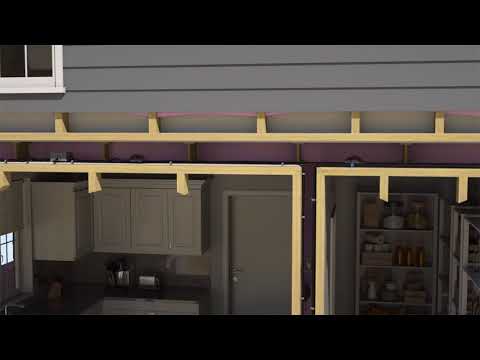
You might spot small clues around your home that rats have been busy. Chewed-up stuff, hidden nests, or greasy trails all give them away.
Paying attention to these hints can help you catch a rat problem before it spirals out of control.
Gnaw Marks on Wood and Wires
Rats constantly chew to keep their teeth from growing too long. You’ll see rough, uneven marks on wood, plastic, or even furniture legs.
Check baseboards, doorframes, and the edges of furniture for fresh damage.
Chewed electrical wires are bad news. Rats will gnaw through cables, which can cause short circuits or, even worse, fires.
If you notice stripped wires or damaged cables, that’s a strong sign rats have been at it.
Focus on spots where food or water is close by. Rats usually chew where they can get to something useful.
Nesting Materials and Burrows
Rats build nests out of anything soft—shredded paper, fabric, even dry leaves if they can find them.
They hide these nests in quiet spots like attics, basements, or behind walls. If you find piles of shredded stuff, you’ve probably found their hideout.
Outside, rats dig burrows. You’ll see small holes near tree roots, under decks, or along the foundation.
Yards or clutter inside the house make perfect hiding places for rats. Getting rid of debris or wood piles near your home can help cut down on these safe spots.
Grease Marks and Footprints
Rats often leave oily smudges from their fur along walls and baseboards. You might notice these grease marks as dark streaks or weird-looking smudges where rats squeeze by all the time.
Check quiet, shadowy corners for these marks. They’re easy to miss if you don’t look closely.
If the area’s a bit dusty or muddy, you might spot rat footprints or even tail marks. Their front feet have four toes, and the back ones have five.
These odd little tracks usually show up along the same paths—rats are creatures of habit and stick to their usual routes.
If you keep an eye out for these small clues, you’ll get a better idea of where rats are coming and going. Want to dig deeper? Check out signs of a rat infestation for more info.


