
Ever get a whiff of dog and wonder if that might keep rats at bay? You’re definitely not the only one who’s thought about it. A lot of folks assume rats will just clear out if they sense a dog nearby. But honestly, rats don’t usually leave an area just because your dog’s scent hangs around.
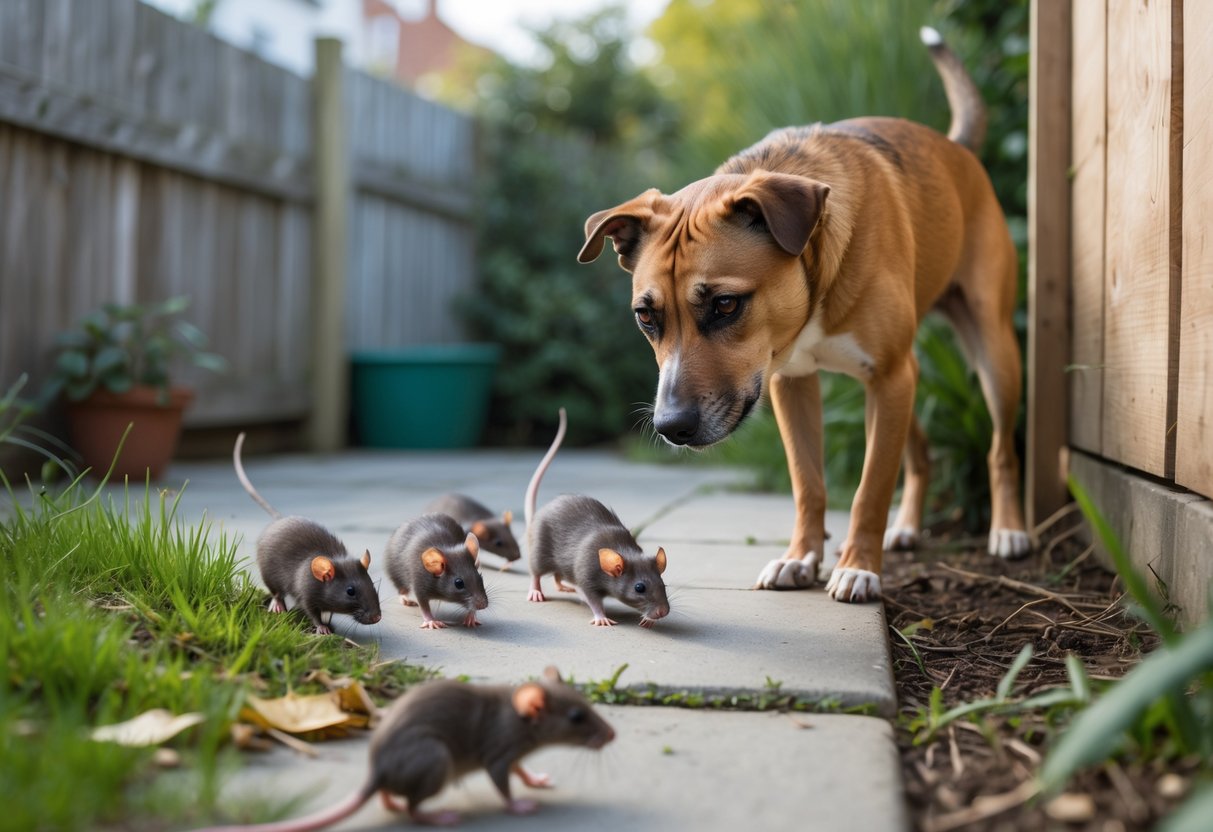
Rats are clever. They notice when a dog is close and might act more cautious, but the smell alone rarely sends them packing for good.
Some dogs might chase rats off if they’re really active or spot them, but just having dog smell in the yard isn’t a magic fix for a rat problem.
If you’re trying to figure out why rats behave this way—and what you can do about it—let’s dig in a bit more.
Can Rats Detect Dogs and Does Dog Scent Make Rats Leave?

Rats can absolutely tell when a dog’s around, mostly by smell. But whether that scent alone actually drives rats out depends on how they react and on the situation.
How Rats Sense and Recognize Dogs
Rats have a pretty amazing sense of smell. Their noses pick up all sorts of animal scents, dogs included.
They can detect chemicals in dog urine, saliva, and sweat from pretty far away.
When a rat catches a whiff of dog, it knows a predator could be close. This makes rats way more alert.
Rats don’t just rely on their noses—they listen for noises too. If they hear a dog, that’s another clue to stay sharp.
Effects of Dog Scent on Rat Behavior
Dog scent can make rats pause or move off for a bit. Since dogs are natural predators, rats often steer clear of fresh dog smells.
You’ll see rats act more cautious in those spots.
But dog scent usually doesn’t force rats to leave forever. Rats are persistent.
If they find food or shelter, they might just wait until the smell fades before coming back. So, the scent is more of a warning than a permanent block.
Factors That Influence Rat Reactions to Dogs
A few things shape how rats behave around dogs or their scent:
- Dog breed and activity: Terriers and other hunting breeds that actually chase rats scare them way more than laid-back dogs.
- Freshness of scent: New dog smells are much more intimidating than old ones.
- Food and shelter: If rats spot good food or a safe spot, they might risk it, even with dog scent around.
- Rat group size: Big groups can get bold and ignore the dog’s presence.
If you look at all these factors, it starts to make sense why dogs might help reduce rat numbers but won’t solve the problem completely.
You can check out more details on how rats respond to dog scents in this pet care guide.
Will Dogs Actually Deter Rats and What Can You Expect?
Dogs can help keep rats away, but how well that works really depends on a few things.
If you know how rats respond to dogs, you can manage your expectations about what’s possible.
Do Rats Really Avoid Areas with Dogs Present
Rats naturally steer clear of animals that might hurt them. When a dog is around—by scent, barking, or just moving—rats often stay away from those spots.
Big, bold dogs like terriers with a strong prey drive tend to scare rats the most. Even the smell of a dog’s fur or urine can warn rats off.
Still, rats are survivors. If they find enough food or a cozy spot to hide, they might risk sticking around even with a dog nearby.
So, dogs can make some places less appealing to rats, but they won’t always keep them out for good.
Situations Where Rats May Not Leave Despite Dogs
If rats discover a solid food source or a safe nest, they might hang around—even if there’s a dog.
This happens a lot in places with easy access, like open garages, sheds, or messy yards.
Rats will put up with some risk if food or shelter is worth it. Over time, they can even get used to dogs, especially if the dog stays inside or doesn’t patrol much.
Small or timid dogs usually don’t scare rats off. And if rats don’t face other threats, their caution drops even more.
So, just getting a dog isn’t enough—you’ll still need to block holes and get rid of food sources if you want to keep rats away.
How Dog and Rat Interactions Affect Infestations
How your dog deals with rats can really shape whether those rats decide to hang around. Some dogs love to chase or bark at rats, and that noise can spook the rodents for a while.
If your dog likes hunting or you’ve trained it to go after rats, you might see fewer of them. Still, let’s be real—dogs almost never get rid of every single rat.
You’ll get better results if you combine your dog’s efforts with other steps. Try sealing up holes or cracks and setting a few traps.
Having your dog around helps, but it’s just one piece of the puzzle.


