
Rats might look like just another pest, but they can actually bring some real risks to your health. They carry diseases that spread through their bites, droppings, and even through parasites like fleas.
If you know how these risks happen, you’ll have a better shot at keeping your home safe.

You might not realize it, but illnesses from rats—like hantavirus or leptospirosis—can lead to serious health problems. Rats also trigger allergies and damage property, so they’re more than just a minor nuisance.
Understanding how rats affect you is the first step to keeping them out.
If you want to know which diseases rats carry and how to avoid them, keep reading. This guide will help you spot the dangers and take simple steps to protect yourself and your family from rat-related health issues.
How Rats Can Be Harmful to Humans
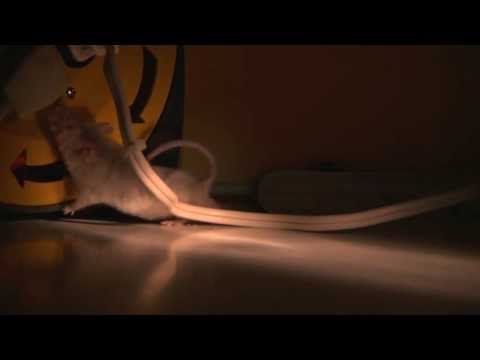
Rats bring health problems because they carry germs and leave behind waste that can infect people. You might not see the risks right away, but just being around rats or their droppings can lead to serious illness.
Diseases Transmitted by Rats
Rats carry diseases that can affect your health in different ways. For example, leptospirosis is a bacterial infection you can get from touching rat urine or contaminated water.
It can harm your liver and kidneys. Hantavirus is another serious disease that causes lung problems if you breathe in dust from rat droppings or urine.
And then there’s the plague, which still exists and spreads by fleas that live on rats. Rat-bite fever comes from rat bites or scratches and can cause fever, rash, and joint pain.
If you want more details about these diseases, check out this health document on rat infections.
Direct Contact and Bites
When you handle rats or come into direct contact with them, your risk of infection goes up. Bites and scratches from rats carry bacteria that cause painful infections like rat-bite fever.
If a rat bites you, you should get medical help right away. Handling dead rats without gloves also puts you at risk.
Wear gloves and never touch rats with bare hands. Taking these steps lowers your chances of picking up harmful bacteria or viruses from rodents.
Exposure to Rat Droppings and Airborne Particles
Rat droppings, urine, and nesting materials pollute your home and the air you breathe. When these things dry out, tiny particles float into the air, and you might breathe them in without realizing it.
That’s how diseases like hantavirus spread. The first symptoms might look like the flu, but things can get worse fast and cause breathing problems.
Clean up droppings carefully with gloves and disinfectant. Don’t sweep or vacuum dry droppings, since that stirs up dust.
Air out the area well after cleaning to lower the risk. For more on safe cleanup, see this CDC guide on rodent control.
Prevention and Control of Rat Hazards

You need to watch for signs of rats, use safe ways to remove them, and know the risks of poisons. Acting quickly helps you stop diseases and damage from rats.
Identifying Signs of Rodent Activity
Check your home or business regularly for signs of rats. Look for droppings—they’re small, pointed on one end, and usually show up in cabinets or dark corners.
You might spot gnaw marks on wood, wires, or food packaging. Dirty nests made from shredded paper or fabric give away rat hiding spots.
Listen for scratching sounds at night in walls or ceilings. If you find fresh droppings or new gnaw marks after cleaning, rats are still active.
Catching these signs early makes it a lot easier to control rodents.
Safe and Effective Pest Control Methods
Try using snap traps and bait stations to catch rats safely. Snap traps kill rats quickly and lower the risk of spreading disease.
Set traps along walls or where you see signs of rat activity. Bait stations keep poison in a secure box, which is safer for pets and kids.
If you’re not sure what to do, hiring a pest control company can help. They’ll check your property, seal up entry points, and set traps the right way.
Always wear gloves when handling traps or dead rodents to avoid germs. Remove food and water sources and seal up holes around your home to keep new rats out.
Risks of Rodenticides and Rat Poisons
Rodenticides, or rat poisons, can get pretty dangerous if you don’t use them right. Pets, wildlife, and honestly, even people—especially kids—might get hurt if they come across these poisons.
Never put poison where animals you aren’t targeting could find it. It’s just not worth the risk.
When rats eat poison, they might crawl off and die somewhere you can’t see. That can lead to awful smells and even more health problems.
Some poisons work slowly, so rats might wander around spreading diseases before they finally die. That’s a pretty unpleasant thought.
If you’re set on using rodenticides, read the label closely and don’t skip any steps. Pairing poison with traps or other tricks can help, too.
If you’re unsure, maybe call a pest control pro. They can usually suggest safer ways to handle rats without putting anyone else at risk.
Want more details? Check out the CDC’s page on Controlling Wild Rodent Infestations.


