
Ever wondered when rats are actually most active? The answer might not be what you expect. Rats get especially busy during fall and winter—think September through November—when they’re scrambling for food and shelter as the weather cools down. That’s when you’ll probably catch them sneaking indoors, searching for cozy spots to nest and hide away snacks.

You might spot more droppings or gnaw marks around your place during these months. If you know when rats are most likely to show up, you can catch problems sooner and save yourself a lot of hassle.
Timing matters if you want to keep your home rat-free. So, let’s dig into why rats get busier in certain seasons and what you can actually do to stop them.
Seasonal Activity Patterns of Rats
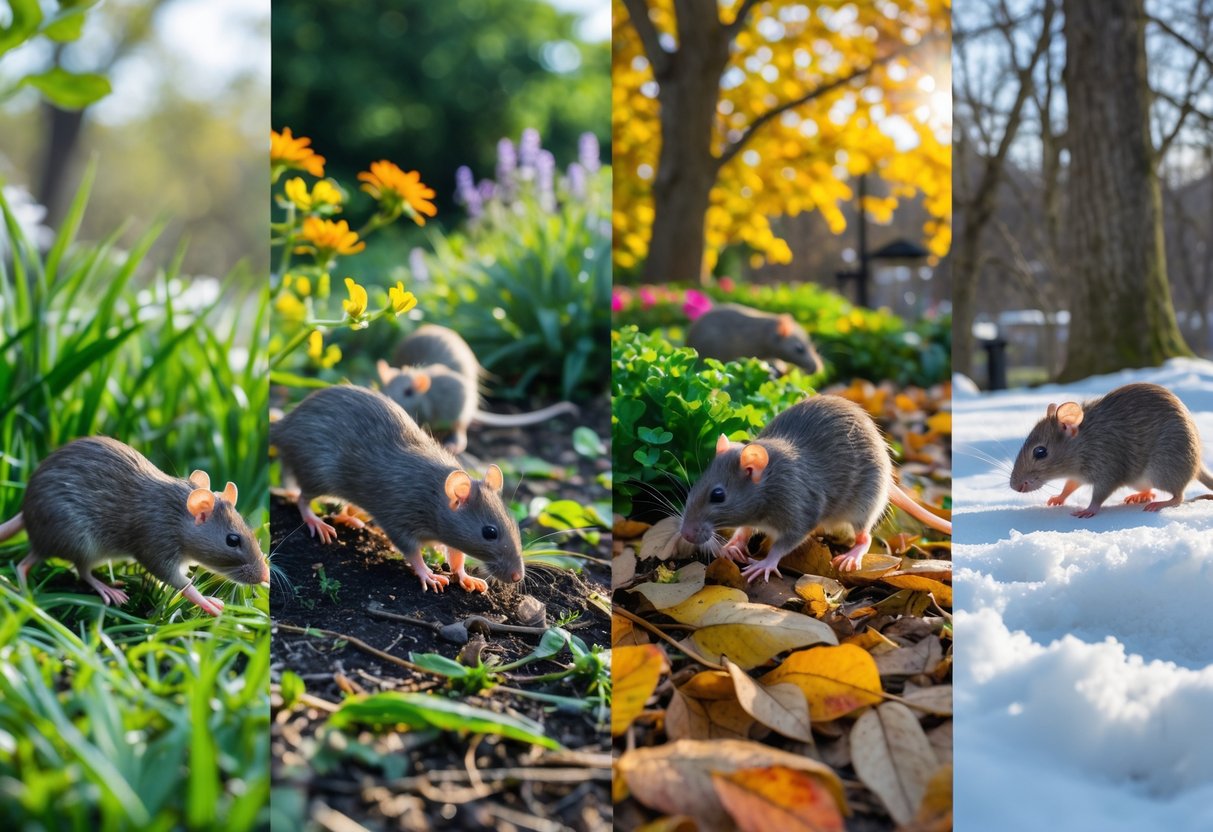
Rats shift their behavior throughout the year, depending on what they need—food, shelter, a place to breed. You’ll probably notice more rat activity in some seasons, either inside or outside, based on the weather and where they are in their life cycle.
Peak Activity in Spring and Summer
Spring and summer feel like the rat version of rush hour. Norway rats and roof rats kick off their breeding season, so their numbers climb fast.
Female rats start looking for safe spots in basements or attics to raise their babies. Food’s easier to find outside during these months, so rats get braver and more active.
You might catch them hunting for water and snacks, both outdoors and indoors if they smell something good. Even when they’re out and about, they’ll still poke around inside if you’ve left food or shelter available.
Since their population jumps up, it’s smart to check your home often. Keep food locked up tight and stay alert for droppings or chewed-up stuff.
Rodent Behavior in Fall
When fall rolls around, you’ll probably see more rats trying to get inside. As the temperature drops, rats want warmth. Norway rats and brown rats especially start sneaking indoors.
Outdoor food dries up in autumn, so rats turn to people’s homes for meals. You might notice them hanging around trash cans or pet food left outside.
They shift from foraging outdoors to hunting for safe nesting spots inside. Fall’s a big time for infestations since rats are prepping for winter.
Sealing up entry points and clearing away things that attract them outside can really help keep them out.
Winter Adaptations and Shelter Seeking
Winter pushes rats indoors more than any other season. Roof rats and Norway rats look for warmth in places like heating vents, crawl spaces, or behind your appliances.
The cold makes your home way more appealing. Food’s pretty much gone outside, so rats count on whatever they can find indoors—uncovered pantry items, pet food, you name it.
Their instincts kick in, and they get even more active inside, which bumps up your risk of an infestation. If you want to avoid trouble, keep an eye out for hidden rats and damage.
Regularly check your home’s structure for weak spots and block any holes. It’s a hassle, but it keeps rats from moving in when they’re desperate for shelter.
If you want more advice, you can check out guides on rat infestation peak times and prevention tips online.
Comparing Rat Activity With Other Rodents and Infestation Prevention
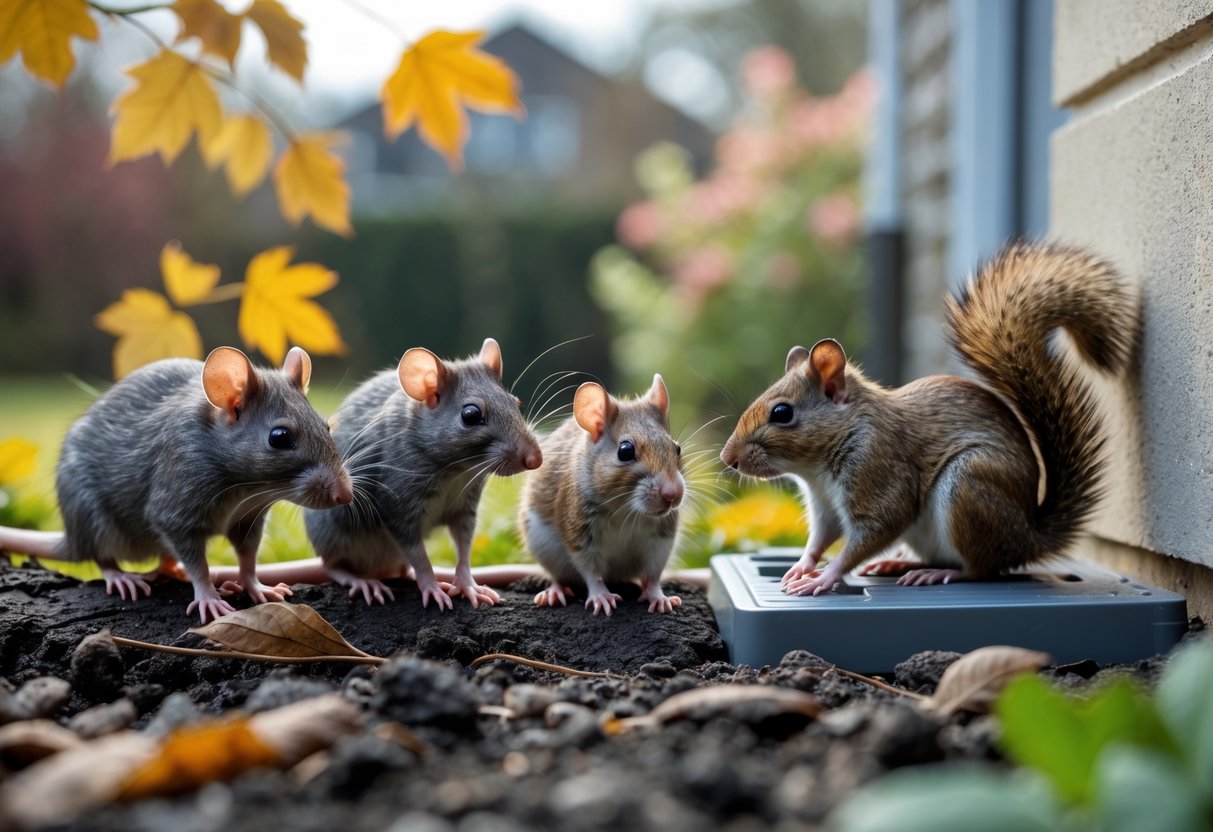
Rats don’t act quite like other rodents. Mice and squirrels follow their own patterns when it comes to activity and where they hang out.
The signs you’ll see change throughout the year, depending on what kind of rodent you’re dealing with. If you know what to look for, you’ll have a much better shot at stopping them early.
Differences Between Rats, Mice, and Squirrels
Rats are bigger than mice and have those thick, hairless tails. They stick to dark, hidden spots and usually come out at night.
Mice are smaller and a bit more curious, so you might see them during the day. Squirrels? They’re much bigger, active in daylight, and usually build nests in trees or sometimes your attic.
Their teeth set them apart too. Rats and mice have those gnawing incisors that never stop growing, so they chew a lot.
Squirrels also have sharp teeth, but they don’t usually chew up your house the way rats or mice can. Rats mostly breed in spring and fall, but mice can have babies all year.
Squirrels reproduce less often and are more tied to the seasons. That means your risk of an infestation changes depending on what time of year it is.
Signs of Rodent Infestation Across the Year
Depending on the season, you’ll spot different clues. In spring and fall, rat activity spikes because they’re breeding.
Look for droppings near food, gnaw marks on wires or wood, and greasy smudges along walls where they travel. Mice leave similar clues, just on a smaller scale.
You might hear scratching in your walls or ceiling, especially in winter when mice move in for warmth. Squirrels leave behind things like leaves or shredded paper in attics or chimneys.
If you notice weird smells—like ammonia or urine—that’s a red flag. Check dark corners, cupboards, or garages for droppings and ripped-up packaging.
Catching these signs early can save you a lot of trouble down the road.
Pest Control and Preventive Measures
Start by cutting down on clutter both inside and outside. Rodents love hiding and nesting in piles of stuff, so the less you have lying around, the better.
Check for any holes bigger than a quarter inch, especially near pipes, vents, or doors. Go ahead and seal them up—don’t give rodents an easy way in.
Set snap traps right along the spots where you think rats travel. Skip the mouse traps for rats; they’re usually too small to get the job done.
Pick up food crumbs, and stash your food in airtight containers. It’s surprising how quickly rodents show up if you leave food out.
Trim back any tree branches hanging close to your house. Squirrels and rats can use them like a bridge to get inside.
If you notice signs of an infestation, don’t wait around. Try traps first, but if they don’t work, calling a pro might be your best bet.
Want more details? Check out Aptive Pest Control for deeper advice on pest control and rodent behavior.


