
Ever wondered if there’s a smell that just kills rats instantly in your house? Honestly, nothing you can buy or whip up at home will kill rats on the spot just by its scent. But, some strong odors—like ammonia—make rats want to bolt.
Ammonia’s sharp, biting odor really bothers rats, so you can use it to keep them away if you’re careful.
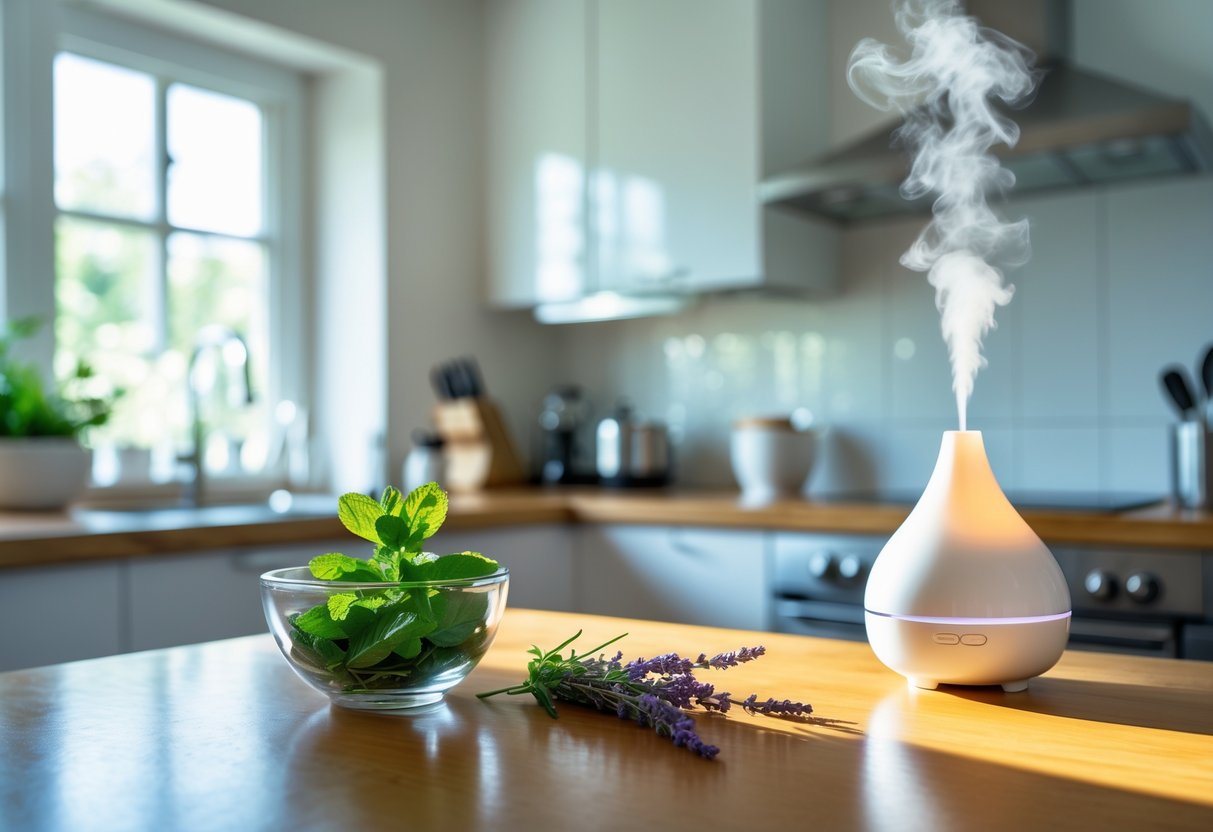
Rats have a crazy strong sense of smell. They absolutely hate things like peppermint oil, garlic, and vinegar. But let’s be real: these smells just chase them off for a bit—they don’t kill.
Try using these scents around the house if you want to make rats uncomfortable, but if you really want them gone fast, you’ll need traps or help from pest control pros.
Knowing which smells actually work and how to use them gives you a leg up in keeping your home rat-free.
Curious about which odors bother rats the most and what actually works? Let’s get into it.
Is There a Smell That Kills Rats Instantly?

A lot of people hope for some miracle scent that’ll kill rats right away, but it’s just not that simple. Some odors can drive rats off or make them miserable, but there’s no smell that’ll drop them instantly.
You should know the difference between what repels rats and what’s actually toxic. It’s important for handling a rat problem safely.
Scientific Reality of Smells Affecting Rats
No single scent kills rats instantly. Rats rely on their strong sense of smell to dodge danger, not to drop dead from it.
Ammonia or mothballs (naphthalene) will irritate rats and make them leave, but they won’t kill them on contact.
If you want to kill rats instantly, you need something physically or chemically toxic—not just a stinky room. For example, carbon dioxide fumes can suffocate rats, but you have to trap them with it in a sealed space.
How Smells Impact Rats’ Behavior
Rats use their noses to find food and steer clear of threats. Strong odors like peppermint oil or garlic can make them avoid certain spots.
If you put peppermint oil or mothballs near where rats come in, they’ll steer clear for a while. But honestly, these little guys usually come back after the smell fades or if they’re hungry enough.
Toxic Fumes Versus Repellents
You’ve got to know the difference between a repellent and something actually deadly. Ammonia is a strong irritant, but it can be risky for you and your pets too.
Carbon dioxide or special gases can kill rats, but you need professionals and a sealed setup for that. At home, snap traps or other classic traps work way better and are safer.
Depending only on smells to solve your rat problem can leave you disappointed. The best results come from cleaning up, blocking holes, and using traps or calling the pros. For more on safe pest control, check out Eradix Pest Control.
Top Smells That Repel Rats in the House

Some strong smells can make rats want to leave or stay away from your home. You can use oils, everyday stuff, and natural ingredients that rats can’t stand.
These scents won’t kill rats, but they can make your place less appealing to them.
Mint and Peppermint Oil for Rat Control
Peppermint oil is a favorite for chasing off rats. The sharp, fresh smell overwhelms their noses.
Try soaking cotton balls in peppermint oil and putting them where you’ve seen rats, like near holes or in the attic.
You’ll have to refresh the cotton balls every few days because the smell goes away fast. Toss in some mint leaves or crushed mint for backup.
This method is safe for kids and pets if you use pure oil and keep it out of reach.
Using Ammonia and Vinegar for Deterrence
Ammonia’s strong scent mimics predators, so rats really don’t like it. Use diluted ammonia outside or near burrows, not inside, since it can bother your skin and eyes.
White vinegar is another option. Its sour, acidic smell drives rats away but won’t hurt you.
Soak some rags in vinegar and put them by rat entry points or where you’ve spotted activity. You’ll need to swap out the rags every couple of days because the scent doesn’t last.
Natural Rat Repellents: Eucalyptus, Bay Leaves, and More
Other natural smells can help too. Eucalyptus oil works a lot like peppermint, but it’s a bit gentler for people.
Soak cotton balls or mix eucalyptus oil in a spray and use it in problem areas.
Bay leaves, cinnamon, cloves, lemon peels, onion, and garlic all give off scents that rats avoid. Crush bay leaves or scatter lemon peels in the kitchen to throw rats off for a bit.
You’ll need to replace these items regularly since their smells fade.
Cedarwood oil and citronella oil are also worth trying. Cedarwood confuses rats by masking their pheromones, and citronella’s fresh scent is one they just don’t like.
Best Practices for Applying Rat Repellents
If you want the best results with smells, tuck repellents into hidden but smart spots—think behind your stove, along the baseboards, or maybe up in the attic or garage.
Keep these items dry and swap them out fairly often, because the scent just doesn’t last forever.
Don’t crowd too many chemicals or oils together, especially if you’ve got pets or kids running around.
Natural oils like peppermint or eucalyptus feel safer, but you still need to be careful.
When you’re handling ammonia or those strong essential oils, grab some gloves.
Honestly, scents by themselves won’t get rid of your rat problem.
You’ll need to seal up holes, keep food put away, and check your home regularly if you want to keep rats out for good.
Curious about natural rat repellents? Take a look at this guide to natural rat repellent.


