
If you’ve got a pet rat or you’re thinking about getting one, you might wonder: is their pee toxic? Here’s the thing—pet rat urine isn’t toxic by itself.
But it can carry bacteria or viruses that could cause health issues if you’re exposed in certain ways.
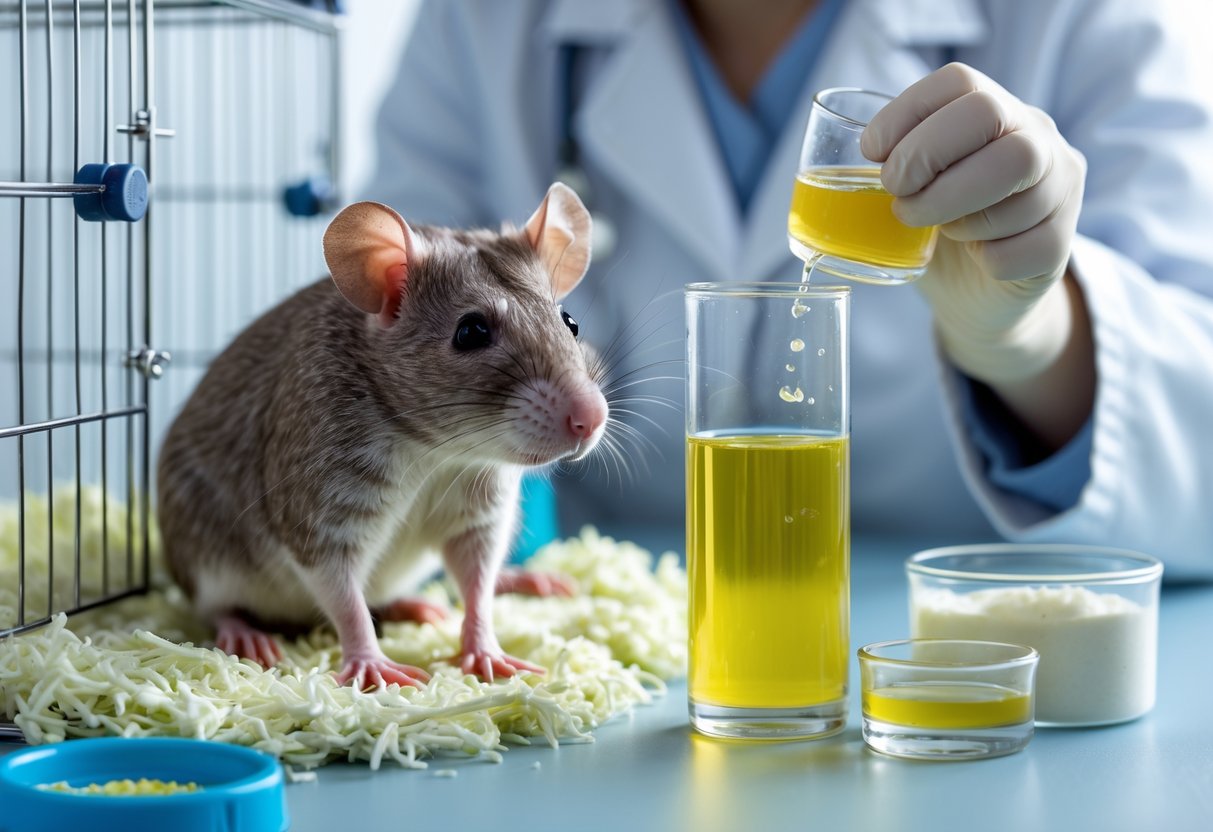
Be careful when you clean your rat’s cage, and always wash your hands after. The risk is low, but infected urine sometimes spreads illnesses like leptospirosis or hantavirus if you skip good hygiene.
If you know how to handle your pet’s waste safely, you’ll help keep both you and your rat healthy.
Understanding the risks and knowing how to protect yourself makes it much easier to enjoy your pet rat without stress.
If you’re curious about when rat pee can be risky and want some quick safety tips, keep reading.
Is Pet Rat Pee Toxic to Humans and Pets?

Pet rat urine can carry bacteria and viruses that sometimes affect people and animals. If you know which diseases it might spread and what symptoms to look for, you’ll keep your family and pets safer.
Common Diseases Transmitted by Rat Urine
Rat urine can spread a few diseases you should know about. Leptospirosis is a bacterial infection that enters the body through cuts or mucous membranes.
It might cause fever, chills, muscle pain, or even liver problems in rare cases.
Hantavirus pulmonary syndrome (HPS) is another one. Rats can shed this virus in their pee and droppings.
If you breathe in dust with the virus, you can get sick. HPS starts off with flu-like symptoms but can turn into serious breathing trouble fast.
Salmonella can also be an issue. This bacteria spreads when you touch infected urine or contaminated surfaces.
You might get stomach pain, fever, or diarrhea.
Sometimes, rat-bite fever links back to exposure to rat pee or bites. Watch for fever, a rash, and joint pain.
Risks for Humans and Other Animals
When your pet rat’s urine carries germs, it can put you, your family, and other pets at risk.
People can get sick by touching infected urine or inhaling dust from it. Kids, older folks, and anyone with a weaker immune system face higher risks.
Cats and dogs can catch illnesses like leptospirosis from contaminated rat urine. Dogs might vomit, get diarrhea, or run a fever after exposure.
To lower your risk, clean your rat’s cage often and always wash your hands well. Try not to touch urine directly.
Gloves and a mask help add another layer of protection when you clean up.
Symptoms of Exposure and When to Seek Help
If you or your pets get exposed to rat urine, keep an eye out for symptoms.
For people, watch for fever, chills, muscle pain, headache, or a rash. If you have trouble breathing after exposure, get help right away—hantavirus can get serious quickly.
Pets that get exposed might vomit, have diarrhea, act weak, or run a fever. If your cat or dog seems off after contact with rat pee, call your vet.
Don’t wait if you or your pet starts to feel sick after exposure. Reach out to a doctor or vet so you can get treated early.
For more info about rat urine risks, check out this article about rat urine dangers.
Handling, Cleaning, and Preventing Exposure

When you deal with rat urine and droppings, you need to pay attention to safety. Using the right cleaning methods, blocking off rodent access, and protecting places like compost heaps all help lower the risk.
Safe Cleanup and Disinfection Practices
Always put on rubber or plastic gloves before cleaning up rat or mouse pee and droppings. Don’t sweep or vacuum these messes—doing that can send dangerous particles into the air.
Spray the area with disinfectant or a bleach mix (one part bleach, nine parts water). Let it sit for at least five minutes so it kills germs before you wipe it up with paper towels.
Toss waste into a sealed plastic bag and put it in your outside trash. After you’re done, wash your hands really well with soap and warm water—even if you wore gloves.
Wipe down hard surfaces like counters and floors with disinfectant after cleanup.
Reducing Rat Access and Infestation Risks
Seal up any gaps or holes around your house’s foundation, walls, and doors to keep rodents out. Rats and mice squeeze through surprisingly tiny spaces, so check carefully.
Store food in tight containers and never leave trash uncovered—those things attract rodents fast.
Check places like attics, basements, and sheds for signs of rats regularly.
Set snap traps or bait stations near problem spots if you notice activity. If you’re dealing with a big infestation, call pest control pros instead of trying to handle it all yourself.
Protecting Your Home, Pets, and Compost Heaps
Don’t leave pet food out overnight—rodents love an easy meal. I’d suggest storing it in sealed containers, just to be safe.
If you think rodents have been around, wash your pet’s bedding often. Clean bedding helps keep everyone healthier.
Compost heaps? They’re practically invitations for rodents if you’re not careful. Turn and cover your compost regularly. Skip tossing in meat or dairy scraps, because those really draw pests.
Keep compost bins tightly closed. I’d place them a little away from the house, just to make sure rodents don’t get too comfortable nearby.
Want more advice? Check out CDC’s cleaning tips.


