
If you want to protect your pet rat or keep wild rats away, it’s crucial to know what’s most toxic to them. Rats can eat a surprising variety of things, but some foods and substances are downright dangerous. The most toxic items for rats include chocolate, alcohol, caffeine, macadamia nuts, and certain common foods like onions and garlic.

These dangerous foods can cause serious health problems, like liver damage or even death. If you learn which items are harmful, you can keep your rats safe or get smarter about pest control.
You might be surprised by some everyday foods that put rats at risk. Why do these things affect rats so differently than us? For a deeper dive, check out foods poisonous to your rat.
Most Toxic Foods and Substances for Rats
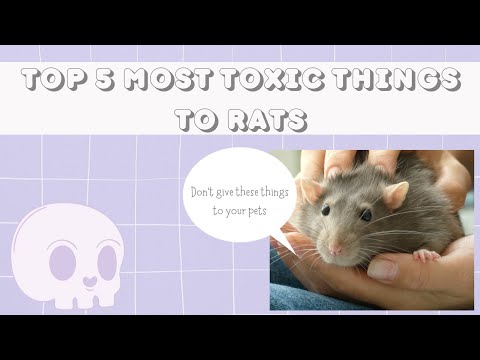
Some foods and substances can seriously harm or even kill your rat. You’ve got to know what to avoid if you want a healthy, happy pet.
Some common household items can cause big problems if your rat gets into them.
Chocolate and Caffeine
Chocolate contains theobromine, which is toxic to rats. Even a small bite can trigger vomiting, tremors, seizures, or—worst case—death.
Dark chocolate and cocoa have even more theobromine, so they’re especially risky for rats. Caffeine, which hides in coffee, tea, and sodas, can lead to seizures, heart issues, and way too much stimulation.
It messes with their nervous system and heart rhythm. Rats just can’t break down these compounds quickly.
So, don’t give your rat anything with chocolate or caffeine if you want to avoid poisoning and health scares.
Onions, Garlic, and Leeks
Onions, garlic, and leeks contain stuff that damages red blood cells in rats. This can cause anemia, making your rat weak or sick.
Even a little bit over time can hurt them. These foods also upset their stomachs and cause discomfort.
Keep all of these out of reach. If your rat accidentally eats any, watch for trouble breathing, pale gums, or lethargy.
You might need to call a vet right away if you notice these signs.
Raw Beans and Green Potatoes
Raw beans—like kidney, black, or haricot beans—have lectins that can really upset a rat’s digestion and even poison them. You can cook beans to get rid of most toxins, but never feed them raw.
Green potatoes and their peels contain solanine, a chemical that causes vomiting, diarrhea, muscle weakness, or sometimes death. Always keep green or raw potatoes away from your rat.
Rats’ digestive systems just can’t handle these toxins. By keeping these foods out of reach, you help your rat stay healthy.
For more info on what to avoid, check out toxic foods for rats.
Rat Nutrition and Safe Diet Practices

Your rat needs a balanced diet to stay healthy and avoid problems like obesity or sickness. The right commercial food, proper nutrients, and steering clear of dangerous foods all play a part.
Proper Commercial Rat Food
Feed your rat high-quality commercial rat pellets as the main part of their diet. These pellets provide the right vitamins, minerals, protein, and fiber that rats need.
Don’t free-feed pellets, though, or your rat might overeat and get chubby. Aim for 1 to 2 tablespoons of pellets daily, split into two small meals.
Fresh veggies twice a day add nutrients and keep things interesting. Always give them clean, fresh water.
Essential Nutritional Needs
Rats are omnivores, so they need a mix of protein, fats, vitamins, and minerals. You can offer protein from boiled eggs or cooked lean meat.
Veggies like broccoli, kale, and dandelion leaves provide fiber and vitamins. Give fruit only sometimes—too much sugar isn’t good for them.
Skip fatty or sugary foods. The goal is a diet that’s close to what wild rats would eat, but a bit more tailored for pets.
Risks of Feeding Human Foods
A lot of foods we eat can actually hurt your rat. Chocolate, avocado, garlic, onion, caffeine, alcohol—don’t even think about giving these to your rat. Anything with seeds, like apple seeds, is off the table too.
These foods might make your rat really sick, and honestly, some of them can be deadly.
Stay away from sticky or hard foods because your rat could choke on them. Sugary treats and fatty snacks? Keep those to a bare minimum if you want to avoid obesity and other health problems.
If you want the nitty-gritty details, take a look at this guide on Unsafe Food for Pet Rats.


