
If you’re dealing with rats in your home or garden, you probably want to know what they hate most so you can keep them out. Honestly, rats really can’t stand certain smells and environments, and you can use that to your advantage.
Scents like peppermint oil, garlic, and the smell of predators—think cat urine—are some of the best rat repellents out there.
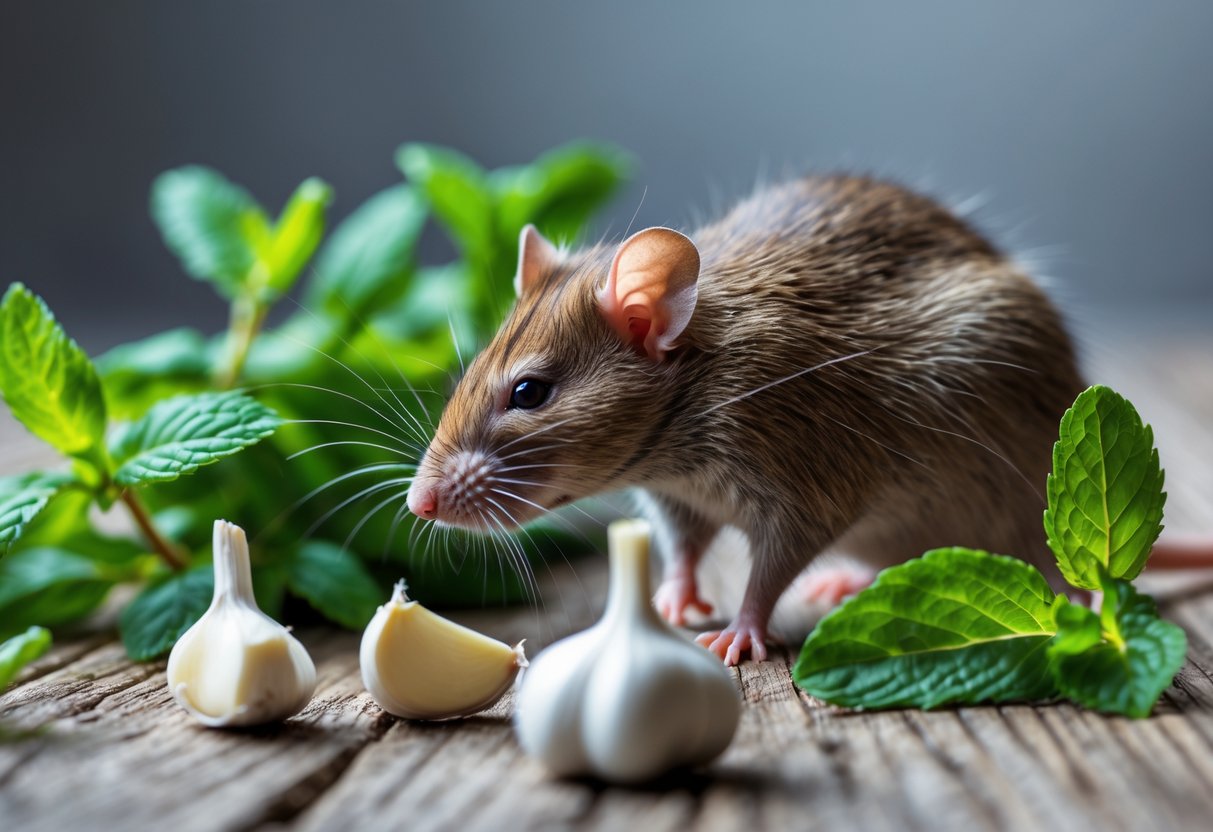
Rats use their sensitive noses to figure out what’s safe, so when they smell these things, they sense trouble and usually leave. Besides using smells, you should keep your house sealed up and make sure there’s no easy food or water for them.
If you know what rats hate, you can protect your space without reaching for harsh chemicals. There are plenty of simple, natural ways to send rats packing and keep your home comfortable for your family.
Want more details? Check out this guide on the strongest scents that rats hate most.
Scents and Substances Rats Hate Most

Rats have really sharp noses and react badly to certain strong or spicy smells. If you use these scents near their favorite spots, you can make them think twice about sticking around.
Some everyday stuff and natural oils work surprisingly well at bothering rats and making your place less appealing.
Peppermint Oil and Mint Oil
Rats can’t stand the smell of peppermint oil or other mint oils. These oils are so strong that they really irritate a rat’s nose.
Soak some cotton balls with pure peppermint oil and tuck them into spots where rats might sneak or hide. Since the scent is intense for rats, they’ll usually avoid any place that smells like mint.
Mint oil works best if you use it undiluted and keep it fresh, since the smell fades after a while. It’s a safe option for your home, too—no harsh chemicals needed.
Try switching between peppermint and other mint oils every so often. That way, you keep the scent strong and the rats guessing.
Ammonia and Bleach
Ammonia and bleach both have powerful smells that rats just can’t handle. The ammonia in lots of cleaners bothers a rat’s breathing, so they don’t stick around.
Bleach works in a similar way—it’s loaded with ammonia compounds and gives off a strong odor that stings rats’ eyes and noses. Just be careful with bleach, though; it can ruin surfaces and isn’t safe to mix with other cleaners.
You can dilute ammonia or bleach with water and use it on rat paths or nests to drive them off. Make sure you ventilate the area well so you don’t end up breathing it in yourself.
Garlic and Onion
Garlic and onions give off a sharp, lingering smell that rats really don’t like. If you crush garlic cloves, you release a strong odor that makes rats want to leave.
Raw onions do the same thing—they release chemicals that irritate a rat’s nose and eyes. If you keep fresh or crushed garlic and onion near entry points or hiding spots, you can make rats think twice about sticking around.
The scent is strong enough to mess with their ability to sniff out food, which is a big deal for them. Just keep in mind, you’ll probably notice the smell too, so it’s best to hide these in out-of-the-way spots.
Cayenne Pepper and Black Pepper
Rats hate spicy smells, especially from cayenne and black pepper. Cayenne has capsaicin, which irritates rats if they touch or breathe it in.
They’ll avoid areas sprinkled with this spice. Black pepper irritates rats in the same way, making it tough for them to sniff out food.
You can sprinkle these spices where rats travel or mix them with water for a spray. Just be careful—these can irritate your skin and eyes, too.
Natural and Commercial Rat Repellents

You’ve got a few options for keeping rats away, whether you go with natural smells or store-bought products. Some scents irritate a rat’s nose, while others just make the place feel unsafe for them.
If you know how and where to use these smells, you’ll have a much easier time managing your rat problem.
Essential Oils: Eucalyptus, Clove, Citronella, and Lavender
Essential oils like eucalyptus, clove, citronella, and lavender are popular for repelling rats naturally. Eucalyptus oil has a sharp, minty scent that confuses rats and makes them feel uneasy.
Clove oil is pretty strong, too, thanks to a compound called eugenol. If you want something milder, try whole cloves, but clove oil packs more punch and lasts longer.
Citronella is famous for keeping mosquitoes away, but it also bugs rats with its citrusy smell. Lavender’s floral scent might seem gentle, but rats avoid it, so it’s handy for smaller spaces.
To use these oils, just soak cotton balls and stash them where rats show up. Refresh the smell every few days to keep it working.
Vinegar, Naphthalene, and Mothballs
Vinegar is a simple, safe choice if you want to repel rats without chemicals. Its sharp, sour smell covers up the odors that attract rats, and you can spray it on their paths or nests to throw them off.
Naphthalene, the stuff in mothballs, and paradichlorobenzene give off strong chemical smells that some people claim chase rats away. But honestly, mothballs aren’t great for rats and can be dangerous for pets and people indoors.
If you decide to use these, be super careful and follow all the safety rules. Most pest pros say to skip mothballs for rats, since the risks just aren’t worth it.
Coffee Grounds, Sage, and Cinnamon
You probably have used coffee grounds, sage, or cinnamon sitting around somewhere. Rats really hate the strong smell of coffee grounds.
Just sprinkle those used grounds near any entrances or along the paths where you think rats sneak in.
Sage smells pretty intense and herbal—rats can’t stand it. You can use dried sage leaves, or honestly, even a few drops of sage essential oil.
Cinnamon? Rats don’t like that spicy scent either. The oils in cinnamon powder or cinnamon oil can really bother their noses and mouths.
Try spreading some cinnamon around the problem spots. When you use these natural repellents along with regular cleaning and blocking off entry points, you’ll make it a lot harder for rats to stick around.


