
Spotting a rat in your house is honestly unnerving. Try to stay calm and act fast.
Start by removing all food sources, set traps near where you saw the rat, and seal any holes or gaps to keep more from sneaking in. That puts you back in control and keeps things from spiraling.
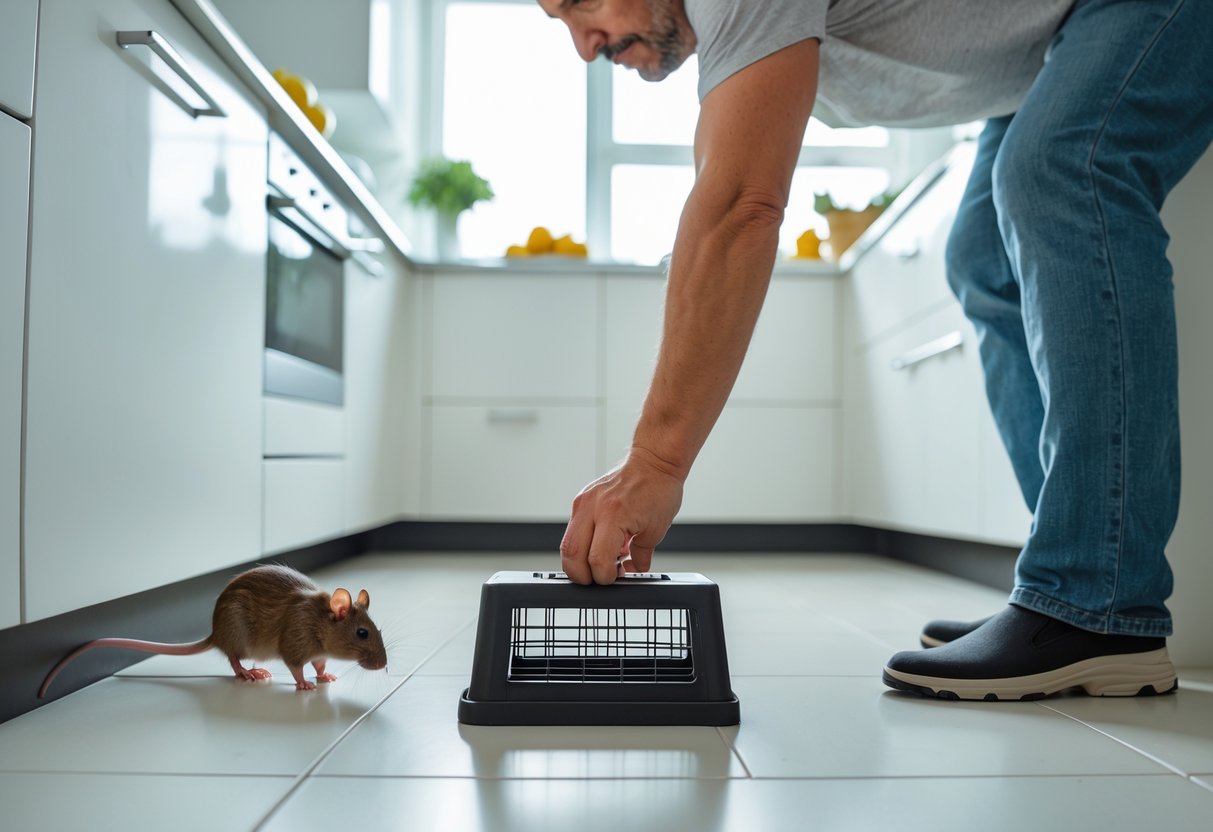
Don’t chase or touch the rat—trust me, it’s not worth the risk of a bite or catching something nasty. Instead, look for signs like droppings or gnawed spots to get a clue about where it’s hiding.
If it’s just too much, call a pest control pro. They’ve seen it all and can handle things safely.
Immediate Actions After Seeing a Rat

When you spot a rat at home, don’t freeze up. Move quickly, but safely.
Keep your distance and watch where the rat heads. Look around for signs that more might be hiding out.
Stay Calm and Keep Your Distance
Take a breath—rats, whether norway or roof rats, are usually more scared of you than the other way around. Try not to make sudden moves that might send it darting somewhere you can’t reach.
Keep a few feet back. Rats can carry stuff like salmonella and leptospirosis, so don’t touch the rat or anything it’s been near, including droppings.
Tell kids and pets to stay clear of the area. Rats can bite if they feel trapped, and pet food left out just brings more trouble.
Identify and Contain the Rat
Once you’ve calmed down, figure out where the rat’s heading. If you can, close doors to keep it from running into other rooms.
Stuff towels or rugs under doors to trap it in one spot.
Watch quietly to see if it’s alone. Rats rarely travel solo, so if you see one, there could be others nearby.
Tracking its path helps you decide where to set traps and check for entry points.
Don’t grab a rat with your hands—seriously, just don’t. Use rat traps like snap traps or live traps instead.
Set traps along walls or where you’ve noticed rat signs.
Look for Signs of Rat Activity
Rats leave clues. Check dark corners and hidden spots for rat droppings—they look like tiny, dark pellets.
Look for gnaw marks on wires, boxes, or food containers.
Listen for scratching or squeaking at night. Black rats and brown rats tend to get active after dark.
Spotting nests made from shredded paper or cloth is a big red flag for an infestation.
Jot down what you find. If you call pest control, this info helps them a ton.
Clean up crumbs and seal entry holes as soon as you can to keep more rats from moving in.
For more details, take a look at this guide on immediate steps after seeing a rat.
How to Get Rid of a Rat and Prevent Future Intrusions

To keep rats out for good, you’ve got to block how they get in, trap or remove the ones inside, and get rid of food and water sources.
If you can’t get rid of them yourself, don’t hesitate to call in a pro—they’ll handle it safely and thoroughly.
Seal Entry Points Effectively
Rats can squeeze through holes as small as half an inch. Check around pipes, vents, doors, and windows for any cracks or gaps.
Seal up every entry point you find. Use steel wool, metal mesh, or hardware cloth—anything tough that rats can’t chew through.
Don’t use spray foam by itself. Rats chew right through it.
Try mixing steel wool with caulk or mortar for a better seal. Trim tree branches and bushes near your house so rats can’t climb up.
Check your home regularly for new gaps. It’s easier to fix them before rats find their way in.
Choose and Set the Right Rat Traps
Pick the right traps to catch rats fast. Snap traps kill instantly and are easy to set up.
Place traps along walls or where you’ve seen rat activity. Space them about 15-20 feet apart, and use pairs to catch rats from both directions.
If you don’t want to kill rats, use live traps and check them daily. Glue traps aren’t great—they just cause suffering.
Bait traps with strong-smelling foods like peanut butter, bacon, or chicken. Tie the bait down with dental floss so the rat can’t just grab it and run.
Remove Food and Water Sources
Rats hang around where they find food and water. Clean up crumbs, spills, and pet food right away.
Store dry food in airtight containers. Take out the trash often and use bins with tight lids.
Keep compost or garden waste in rodent-proof containers.
Fix leaks and get rid of standing water. If you garden, pick up fallen fruits and veggies quickly.
Cutting off food and water makes your home a lot less tempting for rats. That’s really the best way to keep them out.
When to Call Professional Help
Sometimes, rats just get out of hand or seem way too clever to tackle alone. If you don’t notice any drop in activity after a couple of weeks of trapping and sealing, go ahead and call a professional exterminator.
Pest control experts use tools like bait stations and rodenticides, and they know how to handle them safely. They’ll also check your home for hidden entry points or sneaky nests you might’ve missed.
A good pest control service will stick with you to help keep your place rat-free. If you feel overwhelmed by a bad infestation, reaching out to animal control or a licensed pest remover is probably your best bet.


