
Spotting a rat in your home or yard can really throw you off. Try to stay calm, though—it’s important.
If you see a rat, act quickly to get rid of it and stop more from coming in. Rats spread diseases and cause damage, so dealing with them early protects your health and home.
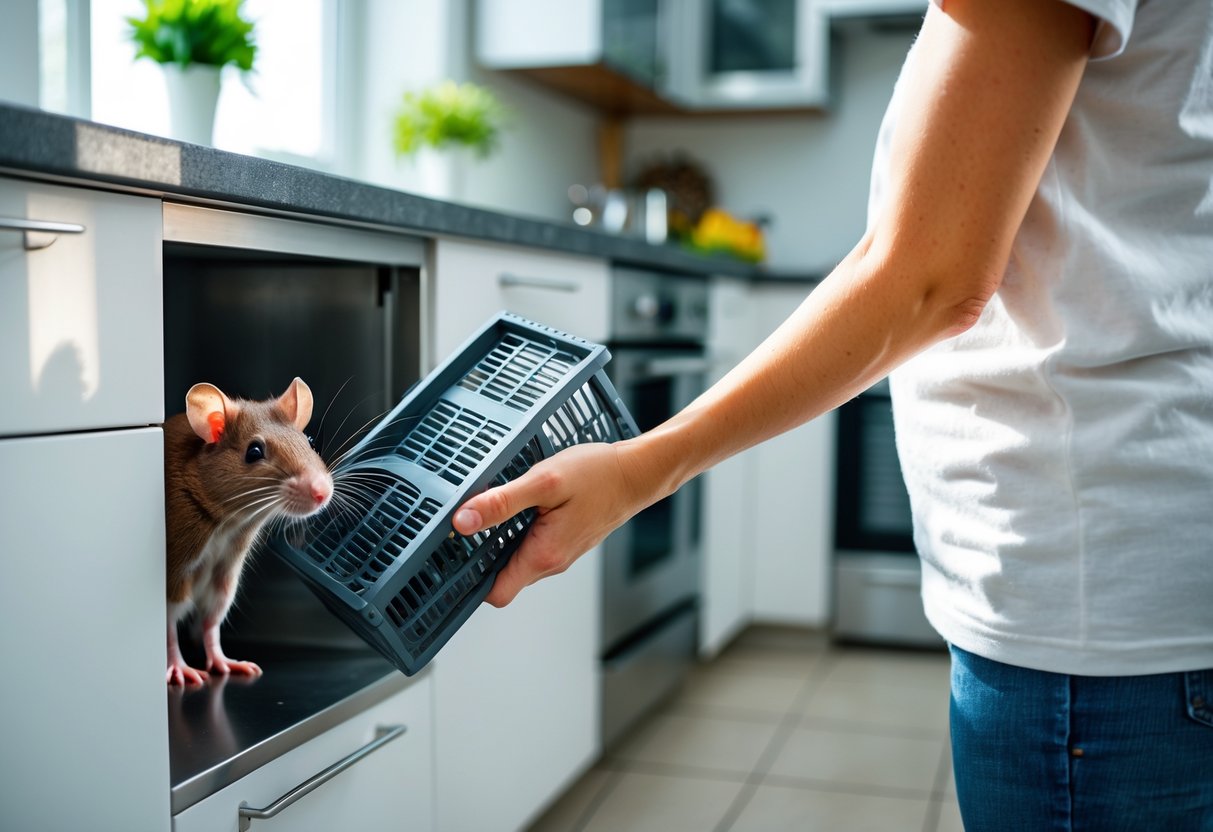
You might wonder if one rat means there are others. Honestly, rats usually live in groups, so seeing one often means more are nearby.
Check for droppings or gnaw marks, and block entry points right away to keep them out.
Clean up any food sources and set traps as soon as you can. Knowing how to handle a rat situation gives you a better shot at keeping your home safe.
If you want more detailed advice, you can check out what to do if you see a rat in your home.
Immediate Actions to Take If You See a Rat

When you spot a rat, act fast but stay careful. Protect yourself and anyone else in the house.
Look around for more rats, and try not to let the rat roam freely. Acting quickly can stop things from getting worse.
Keep Calm and Maintain Distance
I know, seeing a rat is unsettling. Try to keep your cool.
Rats are actually more scared of you than you are of them. Don’t make sudden moves, so you don’t spook the rat or make it dash toward you.
Stay back to avoid bites or scratches. Rats carry diseases like leptospirosis, hantavirus, and salmonella, so don’t touch the rat or any droppings.
If the rat scurries off, just let it go. Focus on containing the area and get ready to block its return.
Ensure Family and Pet Safety
Keep your family—especially kids—and pets away from where you saw the rat. Rats can spread nasty stuff and you don’t want anyone getting sick.
Store food and water in sealed containers. Don’t leave pet food out overnight.
This makes your place less appealing to rats and keeps everyone safer. If you have pets, watch them for any odd behavior after a rat encounter.
If something seems off, give your vet a call.
Look for Signs of Additional Rodents
Seeing one rat often means more are hiding out. Rats stick together, so check for other signs.
Look for rat droppings, chewed wires or containers, and nests made from shredded stuff in dark corners or behind appliances.
Listen at night for scratching or squeaking. Rats are night owls, so you’ll hear them when it’s quiet.
Keep track of what you find. If you need to call pest control, this info helps them out.
Limit the Rat’s Movement Within Your Home
Try to keep the rat from wandering everywhere. Shut doors to rooms it could enter, or use towels to block gaps under doors.
Seal up any holes or gaps near where you saw the rat. That way, you block escape routes and entry points.
Clear away clutter and food—open trash, spilled food, and dirty dishes all attract rats. Get rid of those fast.
Set traps or bait stations where you think the rat will go, but keep them out of reach of kids and pets.
Taking these steps right away makes it easier to handle the problem and keeps your home safer.
For more tips, check out this guide on immediate steps after seeing a rat.
How to Remove and Prevent Rats Effectively
Dealing with rats means you have to block their entry, catch any inside, and remove anything that attracts them. Sometimes, you’ll need professional help.
Seal Entry Points and Close Gaps
Rats can squeeze through holes as small as a quarter. You’ll need to go around your home and check for cracks or gaps around doors, windows, vents, pipes, and the foundation.
Use tough stuff like steel wool, metal mesh, or caulk to seal these up. Pay extra attention to places where you’ve seen droppings or chewed spots.
Sealing entry points keeps new rats from getting in and stops current ones from moving around.
Select and Set the Right Rat Traps
Pick traps that fit your needs. Snap traps kill rats instantly and work best along walls or where you’ve seen them.
Bait them with peanut butter or cheese to up your chances. Live traps let you catch rats without hurting them, but you’ll need to release them far from home.
Glue traps aren’t the best—they cause suffering and are tough to deal with. You could use bait stations with traps for extra help.
Keep all traps away from kids and pets. Place them where rats are likely to travel.
Eliminate Food and Water Sources
Rats need food and water, so make sure you store everything in airtight containers, even pet food.
Don’t leave crumbs or spills on counters or floors. Take out the trash often and use bins with tight lids.
Fix any leaks or dripping pipes, and pick up pet water bowls at night. Clean up birdseed and fallen fruit outside, too.
Some people try peppermint oil as a repellent, but honestly, keeping your home clean and dry works best.
Contact Professional Pest Control Services
If the problem seems too much to handle, it might be time to call a professional pest control service. These folks know what they’re doing and come prepared with the right tools to deal with rat infestations safely.
Pest control experts set better traps and spot those sneaky entry points you might miss. They can also suggest ways to keep rats away for good.
They handle bait stations and treatments that are tough to manage on your own. If you keep noticing signs of rats even after your best efforts, bringing in a pro makes sense.
Getting help early can really save you from a bigger rodent headache later on.


