
Ever heard scratching inside your walls and wondered how long a rat could survive in there? The answer really depends on whether the rat can get to food and water.
If a rat gets stuck in a wall with no food or water, it usually only lasts about 5 to 7 days before hunger or dehydration finishes the job.
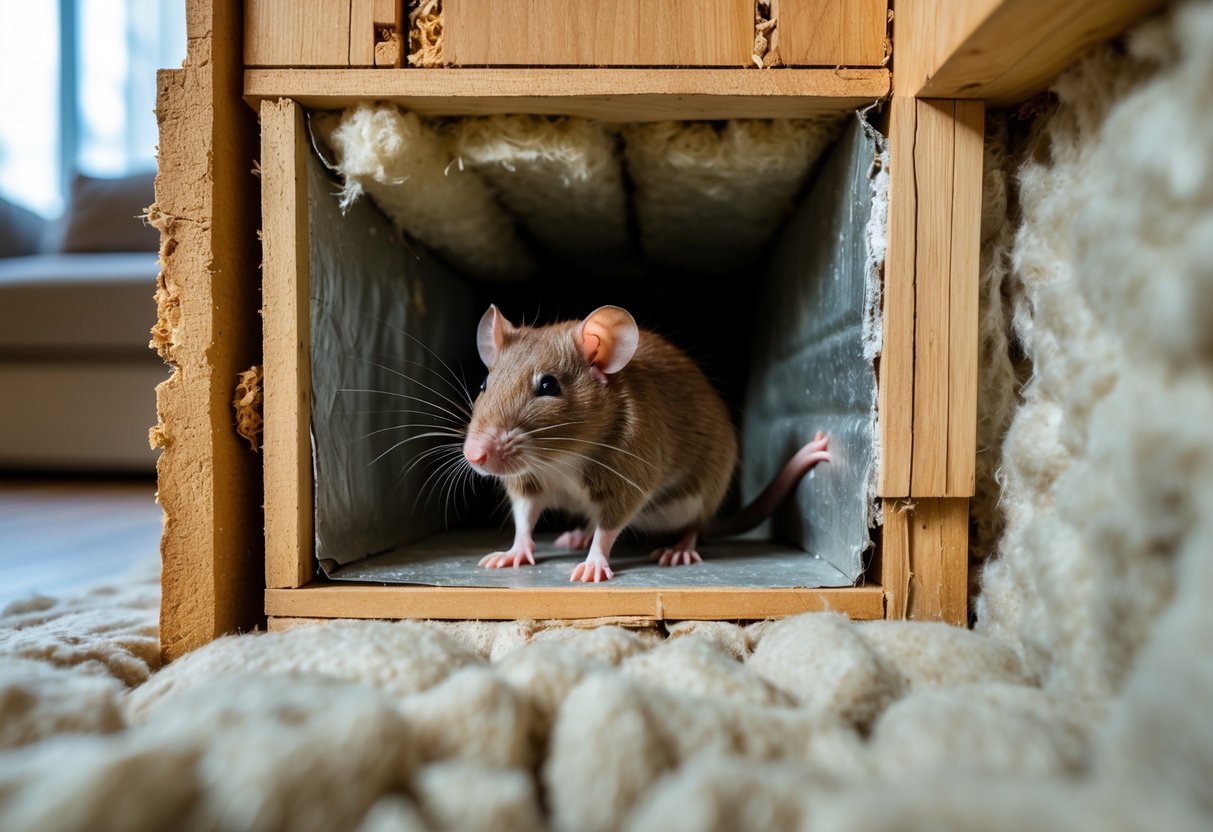
But if rats find food or water nearby, they might stick around for weeks, months, or even longer. That’s why you’ve got to act fast if you think you’ve got rats in your walls.
Knowing how long they can survive helps you figure out the best way to kick them out and keep your place safe.
How Long Can a Rat Survive Inside Walls?
Rats can last a while hiding in walls, but their survival really depends on a few things. If they can get food, water, and find ways to move in and out, they’ll stick around.
The conditions inside your walls matter a ton, too.
Lifespan of Rats in Wall Cavities
Normally, a rat lives about one to two years, even if it’s hiding in your walls. If a rat finds enough food and water, it could survive close to its full lifespan tucked away in a wall cavity.
But honestly, most rats don’t make it that long because walls aren’t exactly cozy.
Sewer rats might hang on longer if your walls have leaky pipes or damp spots. Water sources really help them out.
If a rat gets trapped and can’t leave, it might die in a few days or maybe a couple weeks. Still, a lot of rats manage to squeeze through tiny holes to get what they need.
Food and Water Sources Behind Walls
Rats need to find food and water, even if it means sneaking out from behind the walls. If your walls are close to kitchens or plumbing, rats might grab crumbs, leftovers, or sip from leaks.
These resources let them stay hidden for longer.
Without food or water, a rat usually only survives 3 to 5 days. They’re pretty crafty at finding moisture, so leaky pipes or even a dripping AC unit can really help them out.
Take away hidden food and fix any leaks if you want to make things tough for them. That’s going to shorten their stay in your walls.
Entry and Exit Points Impacting Survival
Rats can slip through holes as small as a quarter. These little entry points let them come and go, which is bad news for homeowners.
If rats can leave the walls for food and water, they might live a normal rat lifespan. But get them trapped, and they’ll die off pretty fast.
Look for gaps around vents, pipes, or wiring. Sealing these holes keeps rats from sneaking in or out.
Factors That Shorten Rat Lifespan Indoors
Rats face a lot of problems in walls, like no food, no water, and not much fresh air. Starvation and dehydration usually get them first.
Traps and poison can kill them too, but sometimes rats die inside the walls—then you’ve got that awful smell.
Disease and stress can take a toll as well. Walls just aren’t as comfortable as burrows outside, so rats often don’t live as long indoors.
You can make life harder for them by sealing entry holes, cleaning up food, and using traps safely.
If you want more info on how rats get into walls and what to do about it, check out how to identify rats in walls.
Why Rats Thrive in Walls and How to Get Rid of Them

Rats love walls because they’re warm, sheltered, and close to food. They squeeze through tiny gaps and stay hidden, so you might not even know they’re there at first.
If you know what to look for and how they mess up your house, you can act before things get too bad.
Common Signs of Rats in Walls
You might hear scratching, scurrying, or squeaking at night. That’s usually a big hint that rats are moving around inside your walls.
Check for droppings—they’re small, dark, and shaped like pellets. You might spot gnaw marks on wood, plastic, or even wiring.
Shredded fabric or paper can mean they’re building nests.
Sometimes you’ll notice urine stains or a strong, musty smell. Those are clear signs rats are nearby and could cause bigger problems if you don’t deal with them soon.
Damage and Health Risks From Rat Infestations
Rats chew through wires, wood, and insulation, which can lead to expensive repairs or even start fires. Their droppings and urine mess up your food and surfaces, spreading bacteria and viruses.
Being around rats can trigger allergies, asthma, or even diseases like leptospirosis and hantavirus.
Letting a rat problem go puts your home and family at risk. Taking pest control seriously just makes sense if you want to stay safe.
Permanent Solutions to Remove Rats and Prevent Return
First things first—seal up any entry points you spot. Grab some steel wool or caulk and push it into gaps around pipes, vents, or those sneaky little cracks you find.
Check everywhere. If you miss even a tiny hole, rats will find it. When it comes to traps, I usually go for tunnel traps or snap traps. Peanut butter or dried fruit? Rats can’t resist those.
Some folks swear by natural repellents like peppermint oil. Honestly, they might help a bit, but sealing and trapping usually work better. Keep your place tidy—store food in sealed containers and clear out clutter.
If things get out of hand, don’t be shy about calling a professional pest control service. They’ll show up with tools and a solid plan to kick rats out for good.
If you want more details, check out this complete guide to removing rats from walls.


