
Ever wondered what vinegar actually does to rats? You’re definitely not alone. Lots of people give vinegar a shot because of its strong, punchy smell, hoping it’ll keep rats away from their homes.
Vinegar can irritate a rat’s nose and might deter them for a little while, but it won’t solve an infestation or stop rats from returning.

If you soak cotton balls in vinegar or spray a vinegar mix near places rats sneak in, you might make them pause. But honestly, the smell fades fast, and rats are clever—if they really need food or shelter, they’ll push past it. Vinegar works best as a quick distraction, not a long-term fix.
Knowing what vinegar can and can’t do helps you use it smarter. It might break up scent trails or support other methods, but you’ll need more than vinegar to keep rats out for good.
How Vinegar Affects Rats and Their Behavior

Vinegar’s strong, acidic smell is the main reason rats steer clear. It messes with their sense of smell and makes certain spots less appealing.
You can use different types of vinegar, but some work better than others. Vinegar-soaked areas often become places rats avoid.
Rats’ Sense of Smell and Vinegar Aversion
Rats depend on their sense of smell to find food and watch for danger. Their noses are way more sensitive than ours.
Vinegar’s sharp odor irritates their smell receptors, making it tough for them to pick up other scents, like food or scent trails from other rats.
Because of this, rats usually avoid spots with a strong vinegar smell. The scent interrupts their ability to navigate and find food.
When you use vinegar around areas rats visit, you make things uncomfortable and confusing for them. That’s why vinegar can help repel rats in a natural way.
Types of Vinegar Used Against Rats
Most people pick either white vinegar or apple cider vinegar for rat control. White vinegar packs a stronger, more acidic punch, so it works better at keeping rats away.
Apple cider vinegar smells milder but can still help, especially if you mix it with other natural repellents. Both are cheap and easy to find, which is always a plus.
Some folks stick with white vinegar because the smell hangs around longer. Others go for apple cider if they want something less harsh in the house.
Why Rats Avoid Vinegar-Soaked Areas
When you soak cloths or spray vinegar where rats hang out, the smell makes the place pretty unbearable for them. Rats just can’t stand it and usually stay away.
The vinegar also covers up other odors rats use to mark their paths or find food. Without those scent clues, rats might get lost or feel unsafe coming back.
If you keep applying vinegar in tight spots like cracks or corners, the smell sticks around longer. This makes vinegar a handy, natural repellent to use alongside other cleaning and pest control steps.
If you want more details on how vinegar messes with rat behavior, check out this guide on using vinegar as a rat repellent.
Proven Methods for Using Vinegar to Repel Rats
You can use vinegar in a few simple ways to help keep rats away. It works best if you focus on areas where rats hang out or sneak into your home.
If you combine vinegar with other natural deterrents, you might see better results. Just remember it has its limits and use it safely.
Vinegar-Soaked Cotton Balls and Placement
One easy trick is soaking cotton balls in white vinegar. Once they’re wet, put them near places with rat droppings or signs of activity.
The strong smell can cover up the scents rats use to find food or mark their territory. You can tuck these cotton balls behind appliances, in cupboards, or near cracks and holes.
Change them out every 5 to 7 days since the smell fades. This method also helps absorb and clean up rat urine, lowering the odds that rats come back.
Making a Vinegar Spray for Entry Points
Try making a simple vinegar spray by mixing equal parts white vinegar and water, then tossing in a teaspoon of salt. Pour it into a spray bottle and spritz it around doors, windows, vents, or any gaps rats might use.
The spray’s smell turns rats away, and you can use it to wipe up rat marks, erasing their scent trails. Reapply weekly, especially after cleaning or if it rains outside.
You can add this spray to your regular cleaning routine to help keep rats away—no need for harsh chemicals.
Combining Vinegar With Other Natural Deterrents
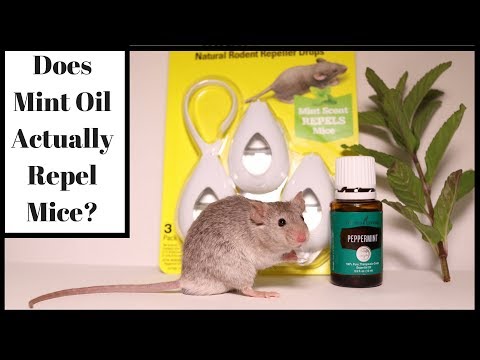
Vinegar works even better when you mix it with other natural repellents. Peppermint oil, eucalyptus oil, and citronella have strong scents rats really dislike.
Try adding a few drops of these oils to your vinegar-soaked cotton balls or spray to boost the effect. Some people use baking soda with vinegar for a reaction that can harm rats, but you should use this carefully and keep it away from pets and kids.
Diatomaceous earth is another natural option you can use alongside vinegar. It works by damaging rats’ exoskeletons and helps with control.
Limitations and Safety of Vinegar for Pest Control
Vinegar can help keep rats away, but honestly, it won’t solve a big infestation on its own. Rats might just get used to the smell after a while, or they could simply avoid the spots you’ve treated and hang out somewhere close.
If you’re dealing with a lot of rats, you’ll probably want to call in professional pest control.
Vinegar’s pretty safe to use around the house and it doesn’t leave behind any nasty residues. Just don’t spray it on surfaces that might get damaged.
If you decide to mix vinegar with something like baking soda to try a kill method, be careful—especially if you have pets or kids running around.
Vinegar really works best as just one part of a bigger plan. Pair it up with other natural deterrents and keep things clean for the best results.
Curious about more natural ways to keep rats away? You can check out the vinegar spray and cotton ball method at B&B Pest Control.


