
You might assume rats are just pesky little creatures, but honestly, they’re way smarter than most folks realize. These guys can solve puzzles, learn tricks, and even show a surprising amount of empathy.
Rats rank among the smartest animals out there. They make decisions and understand their surroundings in ways that remind me a bit of dogs, honestly.
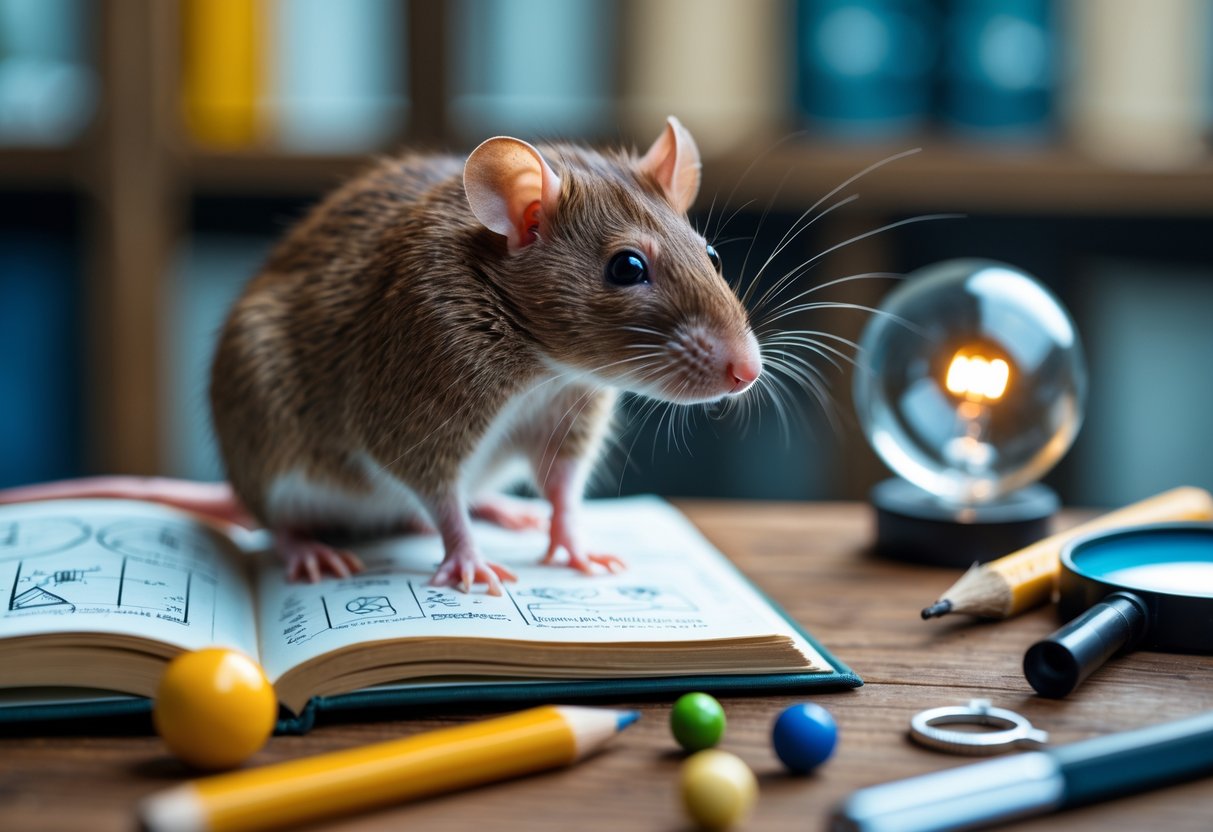
Ever wondered just how clever your pet rat really is? If so, you might be in for a few surprises.
Rats remember tasks, communicate with each other, and often respond to their owners with genuine affection. Because they’re so smart, they need mental stimulation and social time to stay happy.
Once you get to know how clever rats are, your whole perspective might shift. When you see what they’re capable of, you might actually look forward to teaching them new tricks or just watching them figure things out.
Core Aspects of Rat Intelligence

Rats rely on sharp skills to survive and make sense of their world. They think fast, remember well, and interact with other rats in surprisingly complex ways.
I think these traits make them much smarter than people expect.
Cognitive Skills and Problem-Solving
Rats can really shine when it comes to solving problems. Give them a puzzle or a tricky situation, and they’ll usually figure out a way to get food or escape a trap.
They’ll try different things, and if something doesn’t work, they’ll change tactics.
Some rats even use tools—like picking up a stick to reach food that’s out of reach. That goes way beyond just instinct.
It shows they’re thinking through challenges, not just reacting.
They learn from what happens to them and adapt quickly. This ability to plan ahead and come up with solutions really stands out as a sign of animal intelligence.
Memory and Learning Abilities
Rats have pretty impressive memories, especially for places and tasks. If a rat learns a route in a maze, it can remember it for weeks.
That skill helps them find food and dodge danger.
Their memory works sort of like a mental map. They use it to move around safely, which is why rats often avoid traps or obstacles that trip up other animals.
Rats pick up new skills fast. They learn by trial and error, improving each time they try something.
Scientists love studying rats for research on memory and learning because of this.
Social Intelligence and Empathy
Rats really shine as social animals. Their intelligence pops out when you watch how they interact.
They communicate using sounds and body language—sometimes in ways that catch people off guard.
One of the wildest things is their empathy. Some rats will help free a trapped buddy, even if it means skipping a treat.
That kind of behavior suggests they understand and care about what their friends are feeling.
Rats also form bonds by grooming each other or sharing food. These social smarts help them get along in groups and support each other, whether they’re in the wild or living with people.
You can dive deeper into rat intelligence and their knack for problem-solving at berrypatchfarms.net/how-smart-are-rats.
Comparing Rats to Other Animals
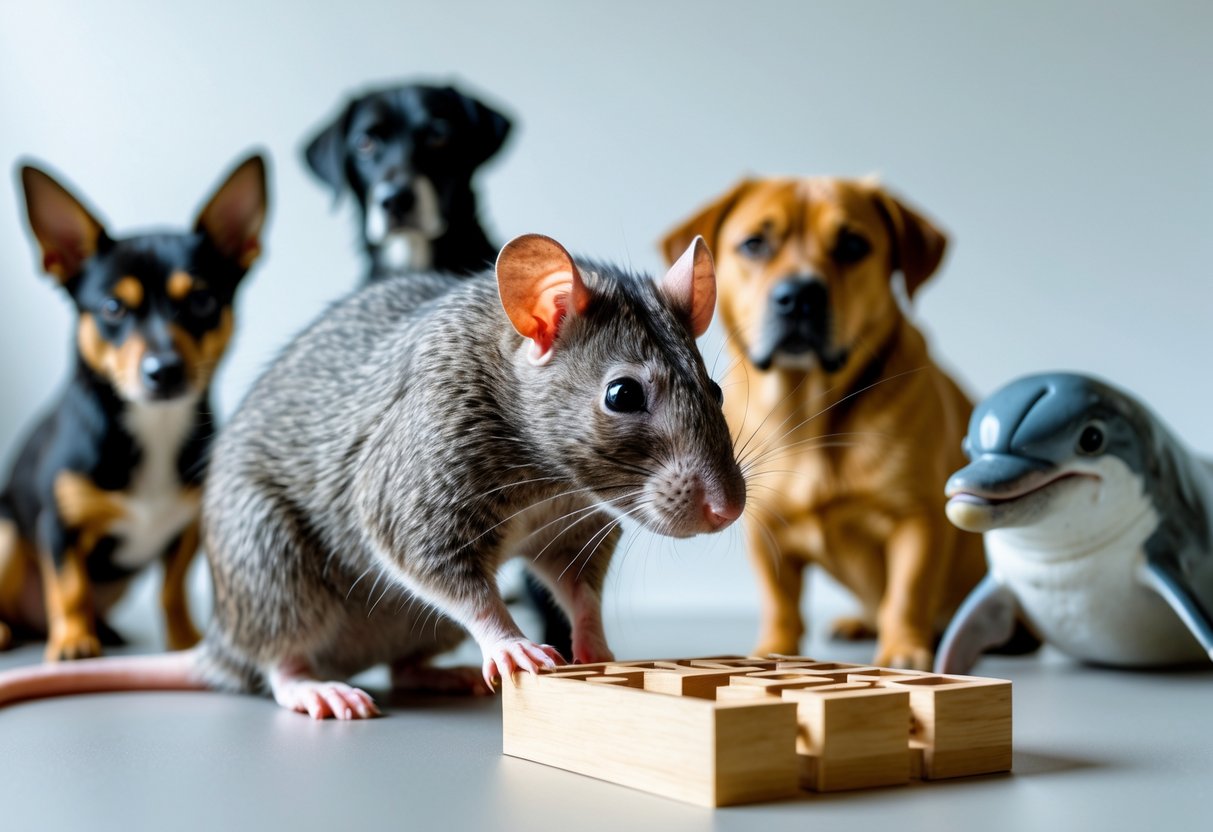
When you start thinking about animal intelligence, it’s obvious different species have their own strengths. Rats really stand out for their problem-solving and memory, even if their intelligence doesn’t look exactly like a dog’s or a primate’s.
Not every rat is a genius—some breeds pick up things faster or act differently than others.
Rats vs. Other Intelligent Animals
People often compare rats to dogs, squirrels, or primates since all these animals show off some pretty impressive smarts. Rats are pros at mazes, using tools, and remembering routes—often better than you’d expect.
Dogs, on the other hand, really excel at reading humans and following commands. Rats tend to amaze with their spatial memory and their knack for figuring things out.
Primates and rats both show flexibility in how they solve problems. Rats have much smaller brains, but their brains are wired to help them learn efficiently.
Here’s a quick look at how they stack up:
| Animal | Strengths | Example Skill |
|---|---|---|
| Rats | Maze navigation, memory | Solving complex mazes |
| Dogs | Obedience, social signals | Learning commands |
| Primates | Problem-solving, planning | Using tools, planning future tasks |
| Squirrels | Memory, adaptability | Remembering nut locations |
So, rats have their own brand of intelligence—unique, but definitely impressive in the right situations.
Differences Among Rat Breeds
Not every rat you run into has the same intelligence level. Lab rats, for example, usually get bred specifically for learning tasks. They often do better in memory or problem-solving tests than wild rats.
Pet rats—like fancy rats—tend to be more social and curious. You’ll really notice their smarts in the way they interact, recognize people, or pick up new tricks.
Wild rat species? They put most of their energy into survival skills. They’re cautious, and they learn fast when it comes to avoiding danger.
Key factors that vary across breeds:
- Social behavior: Pet rats act friendlier and interact with people more.
- Learning speed: Lab rats usually pick up training faster.
- Curiosity: Wild rats act more cautious, which changes how they learn.
If you know which breed you’ve got, you can get a better sense of how it thinks and acts.
For more about rat intelligence, check out How Smart Are Rats? A Comprehensive Look At Rat Intelligence and Are Rats Smarter Than Dogs?.


