
Ever peeked at those tiny gaps under your doors and wondered if a rat could really fit through? Surprisingly, rats can squeeze under doors if the space is wide enough for their head and ribcage. Their bodies are more flexible than you’d expect, and those soft bones let them squeeze into places you wouldn’t think possible.
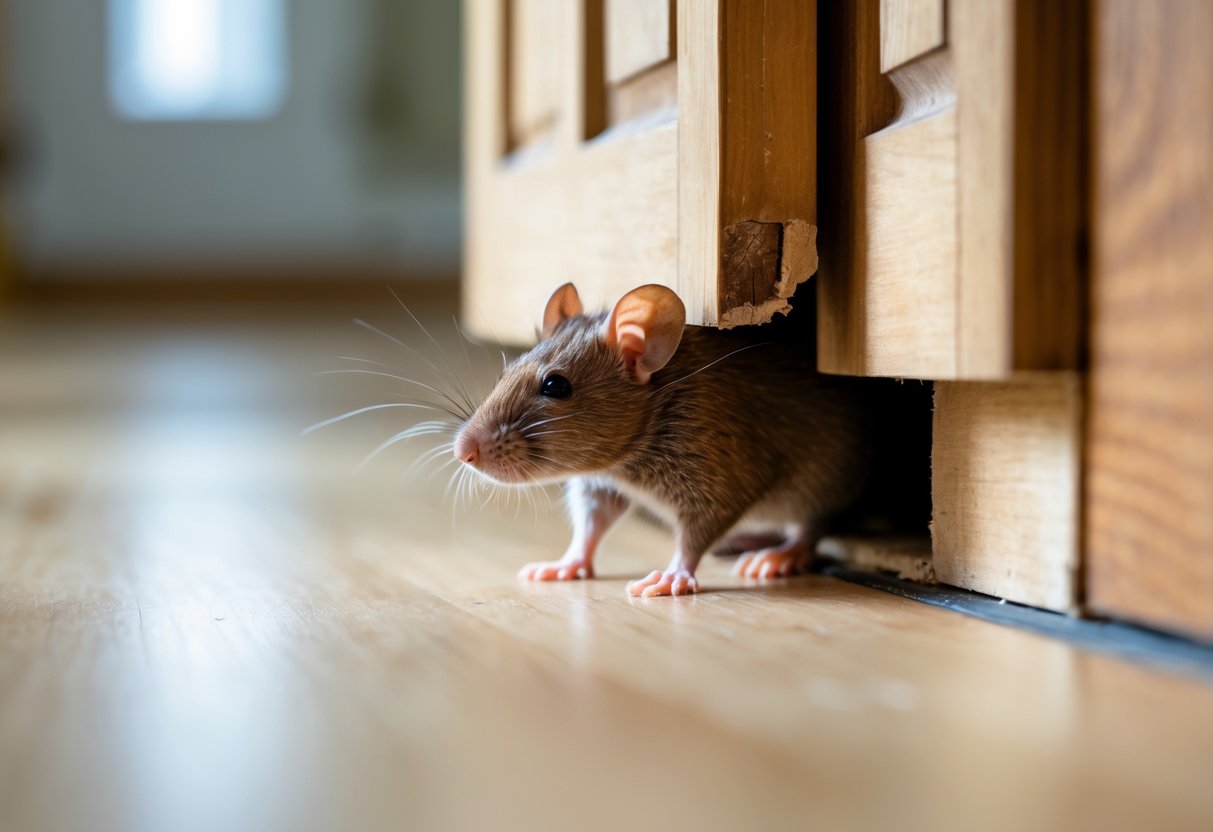
Understanding how rats get inside helps you protect your place better. They don’t need much room—just a small gap under a door can invite them in if you haven’t sealed it. Spotting those trouble spots early can save you a lot of hassle with rodents later.
How and Why Rats Can Go Under Doors

Rats always seem to find a way inside, don’t they? Their small size and flexible bodies let them slip through spaces you’d never expect. Gaps near doors and other weak spots make it much easier for them to get in.
Rat Anatomy and Flexibility
Rats have these strong, bendy bodies that help them squeeze through narrow openings. Their ribcage is really the widest part—so if they can get that through, the rest of them just follows.
They can stretch their legs out and flatten a bit, which turns their usual hunched shape into something much slimmer. They don’t go totally flat, but their bones and cartilage move just enough to let them fit under gaps barely bigger than their ribcage.
This little trick lets them get through spaces that honestly look way too small for a rat.
Minimum Gap Size for Rat Entry
Rats can squeeze through holes as small as 20 millimeters (about 0.8 inches). If the gap under your door measures around 25 millimeters (1 inch) or more, you’ve got a real risk of rats coming inside.
Younger or smaller rats can get through even tighter spots. It’s worth checking for any gaps around this size and closing them up. If your door has a gap that big, rats will happily use it as their entrance.
Common Entry Points Around Doors
Rats don’t just go under doors. They use all sorts of weak spots near doors to get inside:
- Gaps between the door and the floor
- Loose or crooked door frames
- Worn-out weather stripping or missing door sweeps
Sometimes, if there’s no gap, they’ll even chew through the base of a wooden door. Sealing up these holes and fixing broken seals around your doors keeps them out. Adding heavy-duty mesh or metal barriers makes things even tougher for rats.
Want more details? Check out this article on can rats squeeze under doors.
Effective Ways to Prevent Rats from Entering Under Doors
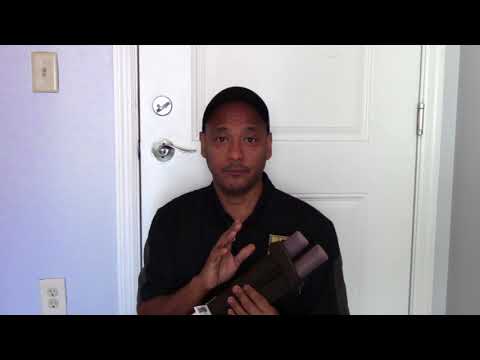
Keeping rats from slipping under your doors means sealing up gaps and cutting off their food supply. The right tools and materials can build a barrier rats can’t chew through or squeeze past. Sometimes, you just have to call a pro to really get things under control.
Door Sweeps and Weather Stripping
Door sweeps—those rubber or bristle strips you attach to the bottom of your doors—block the little gaps rats love. They’re easy to install and don’t cost much. Look for sweeps that fit snugly against the floor with no space underneath.
Weather stripping gives you another layer of defense by sealing the cracks around door edges. It keeps rodents and drafts out. Check your doors now and then, and swap out any sweeps or stripping that’s worn down to make sure you don’t leave openings.
You can pick up both solutions at most hardware stores. They create physical barriers that are tough for rats to get past.
Sealing Gaps with Caulk and Steel Wool
Caulk fills cracks and holes around your door frame, blocking spots where rats might squeeze through. Just apply it to any gaps you see and smooth it out so nothing’s left open.
Steel wool is another trick—rats can’t chew through it. Pack steel wool tightly into bigger holes or spaces before sealing them with caulk. This combo is tough for rats and lasts longer than caulk alone.
Keep an eye out for new gaps, especially if you’re in an older house or have a garage.
Storing Food in Airtight Containers
Rats love easy meals, so keeping food sealed is a must. Use airtight containers for pet food, snacks, and pantry stuff. These stop smells from getting out and remove the main reason rats want to come inside.
Don’t leave pet food out overnight, since that just brings them closer to your doors. Clean up crumbs and spills right away, too. That way, you don’t give rats any reason to hang around your entryways.
A tidy space and sealed food make your home way less appealing to rats.
When to Call a Pest Control Company
If you’ve sealed up gaps and stored your food carefully but rats still show up, you might want to call a pest control company. Sometimes, you just can’t spot every hidden entry point on your own.
An expert can come by, take a close look at your place, and find those sneaky spots you missed. They’ll use traps and treatments that actually work, and they’ll do it safely.
You can also ask them for tips on keeping your home rat-free for good. Honestly, calling for help early can save you a lot of hassle down the line.


