
Badgers can be a charming part of nature, but when they invade your garden, they can cause quite a bit of trouble. You may wonder if adding garden lights could help keep them away.
Garden lights can deter badgers due to their natural wariness of bright, illuminated areas.
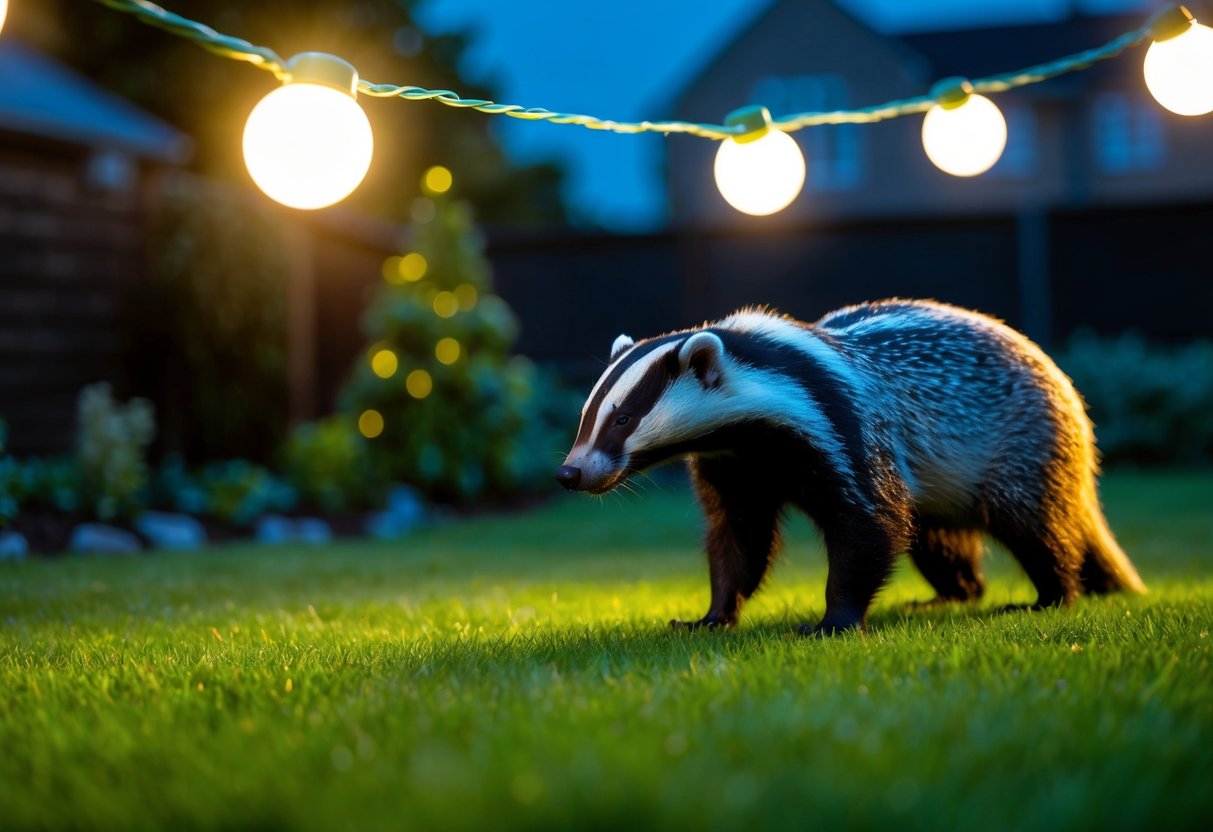
Installing well-placed solar lights in your yard not only brightens up your space but also creates an environment that badgers tend to avoid. These lights can make your garden less appealing as they prefer dark, secluded areas for their activities.
This simple step can be a handy tool in your garden strategy to protect your plants and flowers.
While garden lights alone may not completely eliminate badger visits, they can be an effective part of a broader approach. Pairing lights with other deterrents can increase your chances of keeping these nocturnal critters at bay.
Understanding Badger Behavior and Habitats
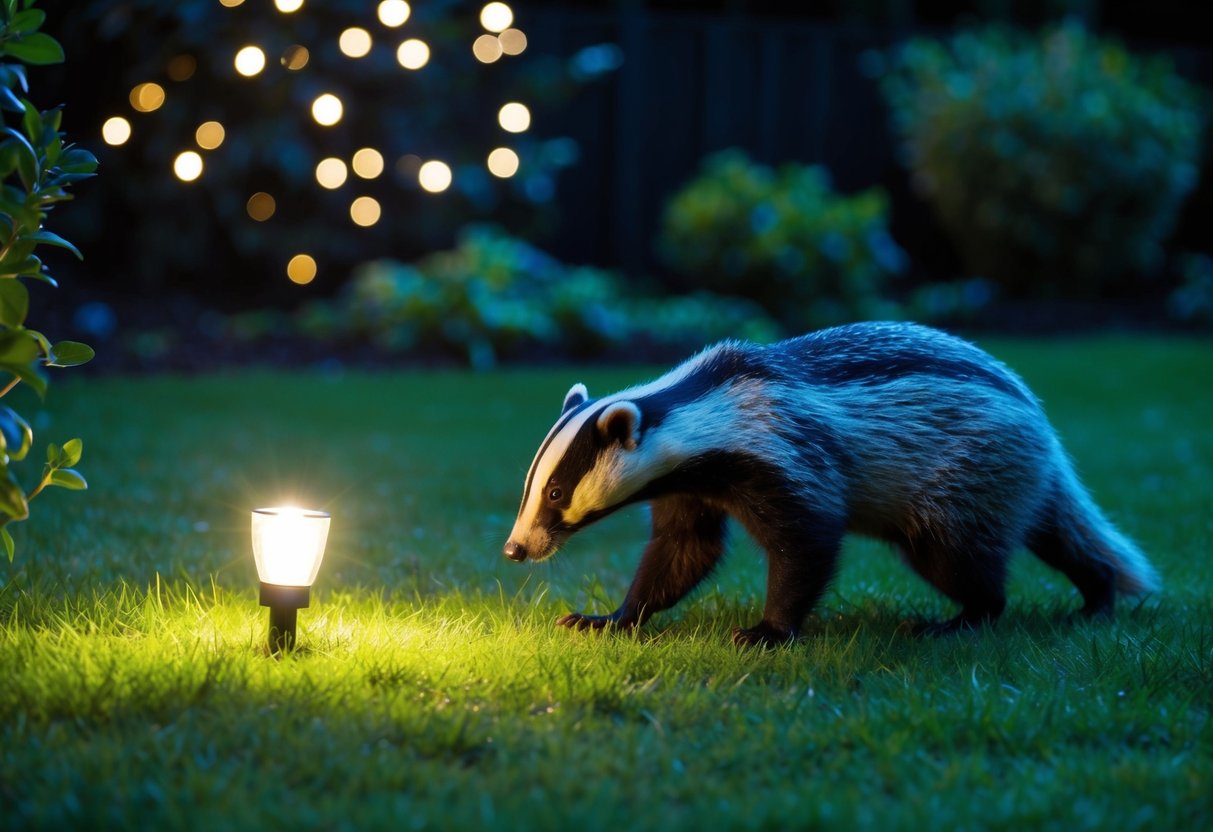
Badgers are fascinating creatures, known for their unique habits and varied diets. Understanding their natural behaviors and habitats can help you take steps to protect your garden effectively.
Natural Habits of Badgers
Badgers are omnivores, which means they eat both plants and animals. They primarily feed on earthworms, grubs, and insects, but they will also enjoy fruits, nuts, and even small mammals. This diverse diet makes your garden an appealing location for them.
Badgers are mostly nocturnal, meaning they are active during the night. They have social structures, living in groups called clans. These habits can influence where they roam and how often they visit your garden.
To deter them, you could install lights that activate at night. This can create an uncomfortable environment for badgers, making your garden less attractive to them.
Badger Damage and Garden Risks
While badgers can be charming to observe, they may cause damage to your garden. Their burrowing behavior can disturb plant roots and disrupt soil. This could lead to poor plant growth and unsightly holes.
Their search for food can also lead to the uprooting of seedlings and vegetables. If they feel threatened, badgers might dig more, creating larger holes and causing more damage.
To minimize risks, consider modifying your garden habitat. By using fencing or other barriers, you can limit their access. Creating a less inviting environment will help protect your plants and keep badgers at bay.
Garden Deterrent Strategies

To keep badgers away from your garden, it helps to use effective deterring methods. You can combine lights, physical barriers, and natural scents to create a less inviting environment. Here are some specific strategies to consider.
Effective Deterrents for Badgers
Using garden lights can significantly deter badgers. They are sensitive to sudden changes in light. Motion-sensor lights that activate with movement are particularly effective. The bright light can startle badgers and make them think twice about entering your garden.
You can also use sound devices that emit unexpected noises, such as alarms or even noise-making toys. These sounds can scare off badgers, encouraging them to leave your space alone. Together, these methods create an unwelcoming atmosphere and can effectively reduce their visits.
Physical Barriers and Fencing
Building physical barriers is a strong strategy against badgers. You can use mesh fencing or chicken wire to enclose your garden. Make sure the fencing is buried at least a foot underground, as badgers are known to dig. A height of four feet is recommended to prevent them from climbing over.
Regular garden maintenance is important, too. Inspect your fencing for gaps or loose areas that might allow badgers to enter.
Additionally, consider surrounding your yard with an extra layer of fencing combined with landscaping features. This makes it more difficult for badgers to access your garden and protects your plants.
Natural Scents and Repellents
Using natural scents can help deter badgers effectively. Strong odors, like citronella oil, can be unappealing to them.
You can use this oil in a spray form around your garden edges to create a barrier that badgers are less likely to cross.
Other scents that work include vinegar and specific commercial repellents designed for small mammals. Regularly apply these repellents, especially after rain, as weather can wash them away.
Removing any potential food sources like fallen fruits or pet food is also crucial. Keeping your garden clean reduces the chances of attracting badgers in the first place.
Utilizing Lights as a Deterrent
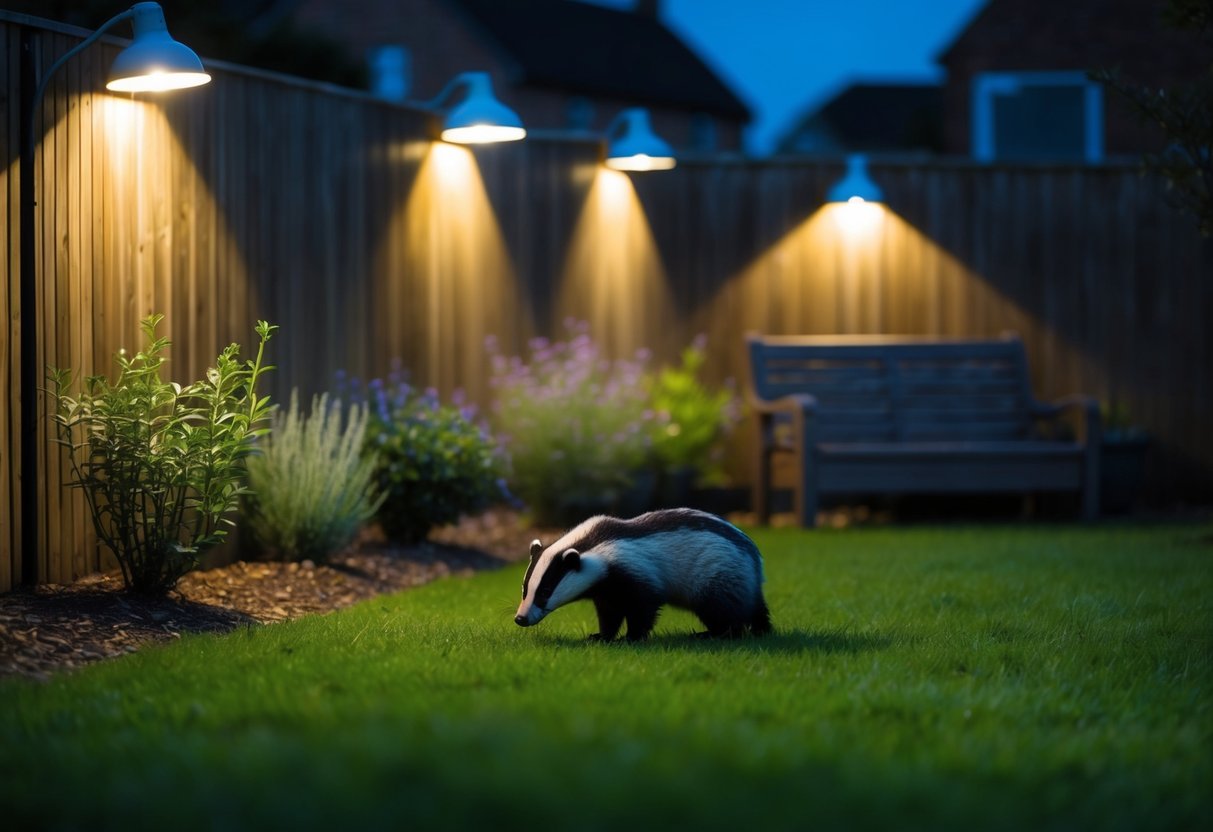
Using lights in your garden can help deter badgers and other animals from invading your space. The type of lighting you choose and its impact on both wildlife and your garden’s atmosphere are important factors to consider.
Impact of Lighting on Wildlife
When adding lights to your garden, consider how they affect both badgers and other wildlife.
Bright security lights can disrupt natural behaviors for animals like bats and birds.
Using motion-sensor lights can provide a non-invasive solution. These lights activate with movement, startling badgers and encouraging them to move away. They also reduce energy use since they only turn on when needed.
On the other hand, consistently bright lights might lead to confusion among wildlife, disrupting their day-night cycles. For example, colored lights can attract certain insects and may lead to unintended consequences in your garden ecosystem.
Types of Garden Lights
You have several options when it comes to garden lights that may help keep badgers away. Here are a few popular choices:
-
Motion-Sensor Lights: These activate when they detect movement, surprising badgers and encouraging them to leave.
-
Solar Lighting: Energy-efficient and easy to install, these lights collect sunlight during the day and illuminate at night. They can help detour animals without high energy costs.
-
Garden Scarers: These lights mimic predators’ eyes, which can frighten animals, including badgers, away from your garden.
-
Electric Fencing with Lights: Incorporating lights with electric fences can provide a layered defense, ensuring your garden stays safe while also being energy efficient.
Choose the right lights based on your garden’s needs and the specific animals you’re trying to deter.
Legal and Ethical Considerations
When dealing with badgers in your garden, it’s important to be aware of legal regulations. Many areas have laws protecting badgers, making it illegal to harm or kill them without proper permissions.
You should always check with your local wildlife authorities. They can guide you on laws related to badger control and provide advice on humane methods to deter these animals.
Using garden lights may deter badgers, but make sure it aligns with wildlife regulations. Bright lights can impact nocturnal animals in ways you might not expect. It’s good to consider how your actions affect local wildlife.
If you decide to use barriers like an electric fence, ensure it meets legal standards. Improper use can not only harm wildlife but may also lead to legal issues. Always opt for humane solutions that respect wildlife.
Acting ethically is also key. You must treat all animals with care and respect while finding solutions for your garden. This approach not only benefits badgers but also promotes a balanced ecosystem in your area.


