
Badgers are fascinating creatures known for their ability to navigate through various terrains. You might be surprised to learn just how flexible and determined they can be when it comes to squeezing into tight spaces. Badgers can get through gaps as small as 10.5 cm, making them quite adept at finding their way through fences and other barriers.
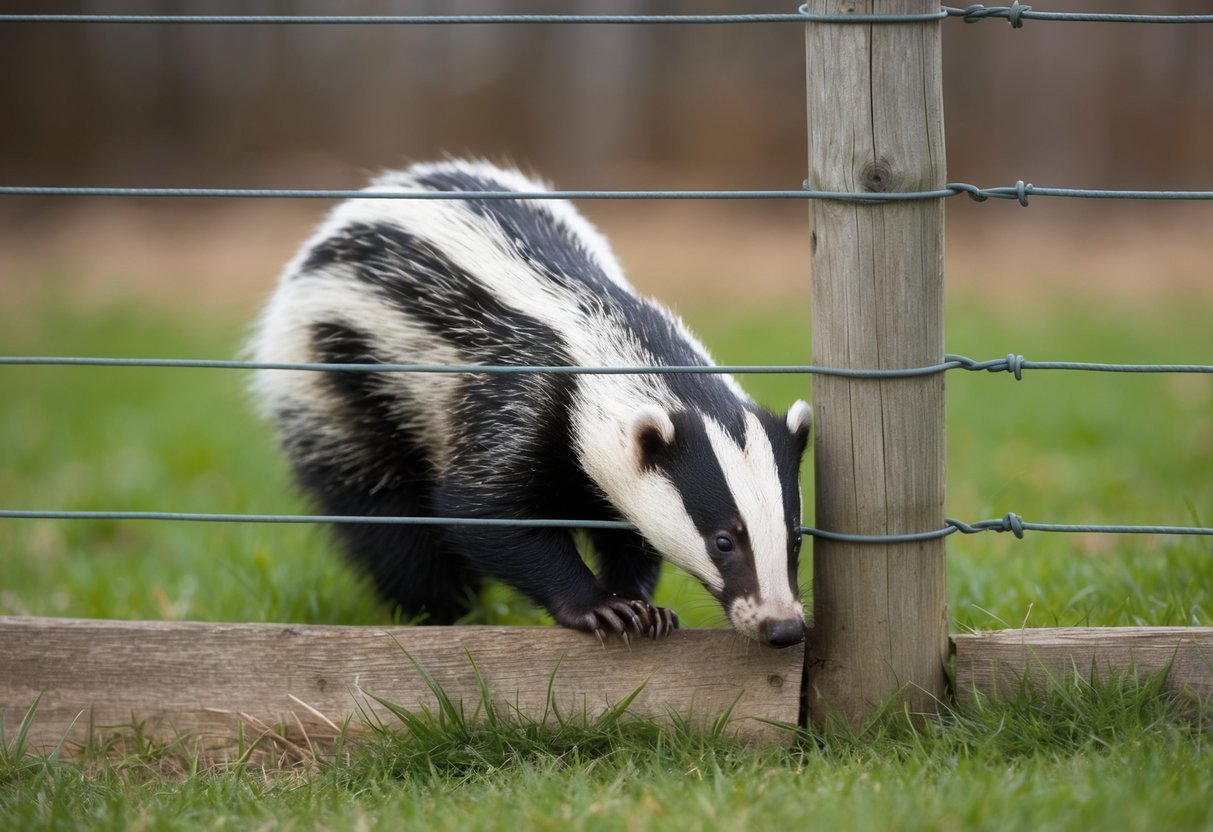
If you have wildlife in your area, understanding a badger’s ability to fit through small gaps is important. Whether you’re looking to protect your garden or simply want to learn more about these intriguing animals, knowing their capabilities can help. Badgers are motivated by food and shelter, which drives them to search for even the tiniest openings.
As you explore more about badgers and their habits, you may find yourself appreciating their role in local ecosystems. They are a key part of wildlife, and understanding their behaviors can lead to a greater appreciation for the natural world around you.
Understanding Badger Behavior
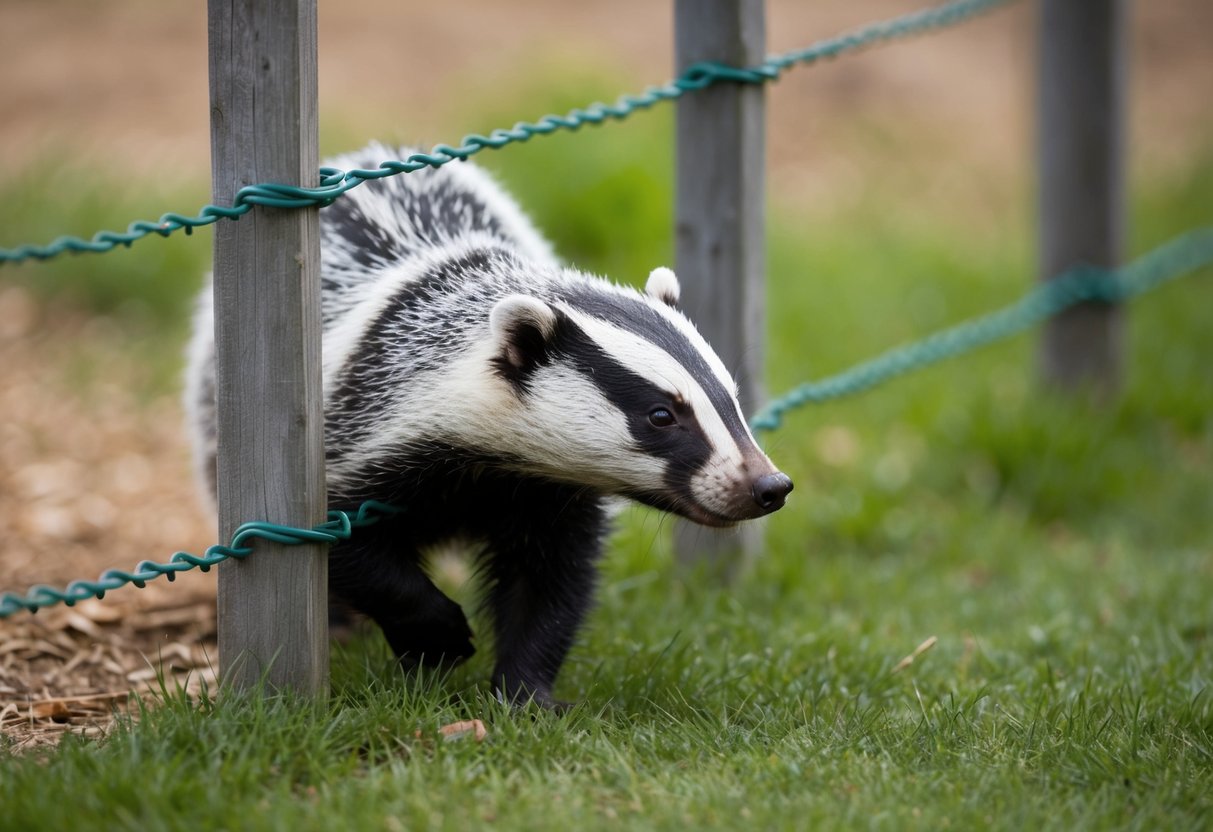
Badgers have unique behaviors and abilities that help them live in their environments. Knowing these can give you insight into how they navigate their surroundings, especially when it comes to squeezing through small gaps.
Nocturnal Activities of Badgers
Badgers are primarily nocturnal, meaning they are most active at night. You might spot them just after sunset as they leave their underground dens to forage for food. Their diet mainly consists of insects, small mammals, fruits, and roots.
While wandering, they use their keen sense of smell to locate food. Badgers often travel long distances in search of meals. This nighttime behavior helps them avoid predators and human disturbances, making them more successful foragers.
During the day, they stay hidden in their burrows or rest in vegetation, which keeps them safe. Understanding their nocturnal habits is crucial to recognizing when they might be nearby.
Digging and Tunneling Capabilities
You may be surprised by how well badgers dig. They have strong forelimbs and large claws that make them excellent diggers. Badgers can create extensive tunnel systems, which serve as their homes and places to store food.
These underground dens can be quite complex, with separate areas for sleeping, storing food, and raising young. They are strong enough to dig through tough soil and even rocky areas. This ability not only helps them find prey but also escape danger quickly.
Moreover, their digging habits play a vital role in turning over soil, which benefits local ecosystems. Just imagine how this impacts the ground around your home or a nearby park.
Physical Characteristics Relevant to Movement
Badgers have a stocky body shape and short legs, which might surprise you given their impressive mobility. Their bodies are built for digging and squeezing through tight spaces.
Typically, they can fit through gaps as small as 7.5 cm. This ability allows them to access various areas for food and shelter. Their strong muscles contribute to their digging power but also help them maneuver through narrow openings.
Additionally, thick fur and a relatively flat skull help protect them during movement in their burrows. All these features equip badgers to thrive despite their size.
Badgers and Gardens
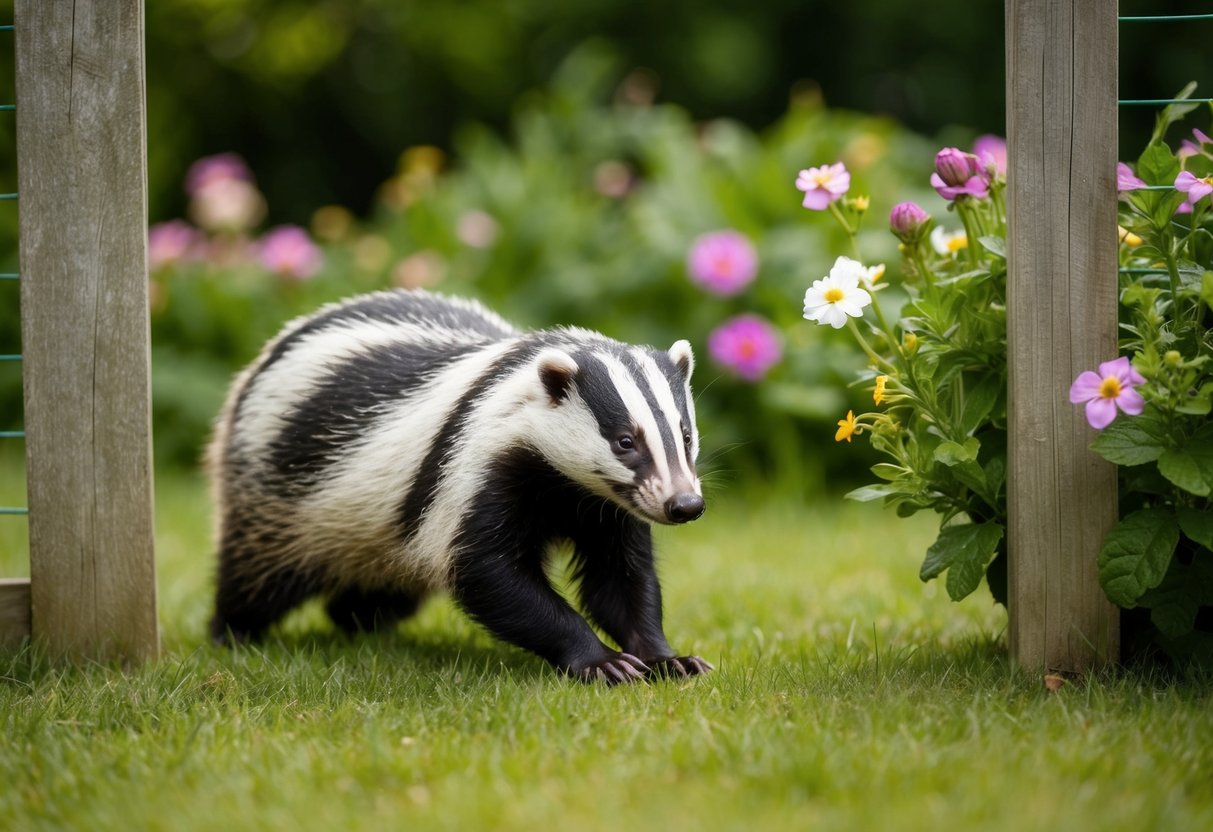
Badgers often roam through gardens, which can lead to both benefits and challenges. Understanding how they access your space, their impact on plants, and ways to observe them can help you manage your garden better.
How Badgers Access Gardens
Badgers are agile creatures. They can squeeze through surprisingly small gaps. Research shows they can fit through spaces as small as 7.5 cm. This means any weak points in your fencing can become entry points.
To reduce access, reinforce your garden boundaries. Use strong wooden fences topped with wire mesh. Ensure the mesh extends underground to deter digging. Over time, this can help maintain the integrity of your garden.
Impacts of Badger Intrusion on Lawn and Plants
When badgers enter your garden, you may notice certain impacts. Badgers can cause lawn damage as they forage for food, especially insect larvae. They dig, creating holes that can ruin the look and condition of your lawn.
In addition to lawn issues, badger activity can disturb your plants. If they’re searching for grubs or roots, they might uproot young plants. This digging can lead to both aesthetic and practical problems in your garden.
To mitigate damage, keep your plants healthy and resilient. Consider using barriers around vulnerable plants and maintain strong lawn care routines.
Observing Badgers: Using Wildlife Cameras
If you’re curious about the badgers in your garden, wildlife cameras are a fantastic tool. They allow you to observe without disturbing them. Setting up a camera can help you learn about their habits, times of activity, and interactions with your garden.
Place the camera near noticeable signs of badger activity, like tracks or dig sites. This will increase your chances of capturing interesting footage. Watching how badgers interact with your garden can provide valuable insights, helping you to manage the space more effectively.
Deterring Badger Encroachment

Keeping badgers out of your property can be a challenge. You have several options to effectively prevent these determined animals from entering your space. Understanding physical barriers, electric fencing, and other deterrents can help you choose the best method for your needs.
Effective Use of Physical Barriers
One of the best ways to deter badgers is by using physical barriers. Badger-proof fencing should be at least 1.2 meters high and buried about 30 cm underground. This prevents badgers from digging under or jumping over the fence.
When installing a fence, consider materials like heavy wire mesh or strong wooden boards. Adding a badger gate is an option, allowing you to maintain access while preventing badger entry.
Regular checks will ensure that your barrier remains intact. Keep in mind that badgers are persistent, so it’s crucial to make sure the fencing is durable and secure.
Pros and Cons of Electric Fencing
Electric fencing is another effective method to deter badgers. These fences deliver a mild shock when touched, teaching the animals to stay away. When properly installed, they can create a reliable barrier without harming the badgers.
Before choosing electric fencing, consider the pros and cons.
Pros:
- High effectiveness in deterring badgers.
- Can cover large areas.
Cons:
- Installation can be costly.
- Requires ongoing maintenance to ensure it operates correctly.
Make sure to follow the manufacturer’s guidelines to ensure safety for you and any other wildlife in the area.
Alternative Deterrents and Repellents
In addition to fencing, various alternative methods can help deter badgers.
Ultrasonic devices emit high-frequency sounds that are unpleasant for badgers but hardly detectable by humans. These can be an effective way to create a no-go zone for badgers.
Chemical deterrents are also available. These include badger repellent sprays that often use scents badgers find offensive.
Always apply chemical solutions according to the instructions to avoid harming other wildlife. Combining multiple methods can boost your chances of keeping badgers away while ensuring a harmonious outdoor space.


