
When exploring the outdoors, you might stumble upon a badger hole and wonder what it looks like. A badger hole typically has an entrance that ranges from six to twelve inches wide and is often surrounded by piles of freshly dug earth.
Recognizing these distinct features can be important for homeowners and wildlife enthusiasts alike.

Badgers are fascinating creatures that create homes, known as setts, underground. These setts often have multiple entrances and connecting tunnels, making them unique compared to other wildlife dens. If you’ve noticed signs of badgers in your garden or yard, understanding what their holes look like can help you address any wildlife issues effectively.
Keep an eye out for D-shaped entrances and large mounds of dirt around the holes. These clues can confirm that you’re indeed dealing with badgers, and knowing this can help you take the right steps to coexist peacefully with the wildlife in your area.
Discovering Badger Setts

When you’re exploring the outdoors, you might come across badger setts. Understanding how to identify these unique homes is key to spotting them. Here’s what to look for and how to tell them apart from other burrows.
Identifying a Badger Sett
To identify a badger sett, look for distinctive features. Badger setts usually have multiple entrances, which may number between one to twenty holes. These entrances are often D-shaped and don’t narrow inside, making them different from rabbit burrows, which are round.
You might also notice spoil heaps, or piles of soil, near the entrances. Badgers dig deep tunnels, sometimes extending up to 300 meters underground. Keep an eye out for badger droppings, which tend to be greasy and sausage-shaped, often found in a designated area near the sett. Such signs are strong indicators that a badger sett is nearby.
Difference Between Badger Holes and Other Burrows
Badger holes have several characteristics that set them apart from fox holes and rabbit burrows. As mentioned, badger sett entrances are generally wider and D-shaped. In contrast, fox holes tend to be smaller and more rounded.
Rabbit burrows also differ since they often have narrower openings and can branch off into several tunnels. Additionally, a badger sett might be much larger, sometimes housing extensive tunnel systems. Recognizing these differences will enhance your observation skills as you explore the habitats of these fascinating creatures.
A Look Inside the Badger’s Home

When exploring a badger’s home, you’ll find a fascinating underground world. Badgers dig complex tunnel systems, create cozy living spaces, and have designated areas for waste. Each part of their habitat serves a purpose.
Tunnel System Complexity
Badgers are known for their intricate tunnel systems, often called setts. These tunnels can stretch over a hundred yards and often have multiple entrances.
You’ll notice that the tunnels are wider than they are tall, allowing badgers to move easily. The tunnels vary in size, typically around 30 centimeters in diameter. This design not only helps them navigate but also keeps them safe. They can use different entrances to avoid predators or other threats.
The Living Quarters
Inside the sett, badgers have specific areas for different activities. Their living quarters are usually located deep within the tunnel system. Here, they create cozy spaces using grass, leaves, and other soft materials.
These living areas are essential for raising young. Badgers give birth in these warm, secure places. They invest time and effort into maintaining these spaces to ensure comfort and safety.
Dung Pits and Latrines
Badger setts also include specific spots for waste, known as dung pits or latrines. These areas are often found near the entrances of the tunnels.
Badgers use these spots to mark their territory. The dung is usually piled up, making it easy to identify. This behavior helps them communicate with other badgers and keeps their living space clean.
Interestingly, dung pits can attract earthworms and other small creatures, which badgers might find useful for food. This clever use of space shows how resourceful these animals are, providing yet another layer to their fascinating habitat.
Badger Signs and Activity
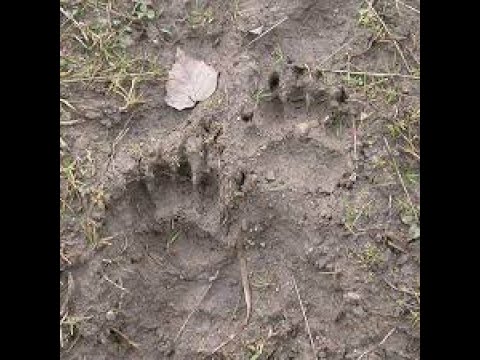
When observing badger behavior, you’ll notice clear signs of their presence and activity. These indications can help you track their movements and understand their social interactions.
Foraging Trails and Snuffle Holes
Badgers are active foragers, so you might see distinct paths they create as they search for food. These trails are usually about 20 cm wide and can lead you to their feeding grounds.
Along these paths, you may also spot snuffle holes. These are small excavations made by badgers as they dig for insects, roots, or small animals. The holes often have loose dirt scattered around, indicating that a badger has recently been there.
You might find trails with noticeable tracks that show their claw marks. Look closely at the ground for badger tracks—they’re typically oval-shaped and around 10 cm long. These signs tell you that badgers frequent that area.
Territory Marking and Clan Clues
Badgers are social animals and mark their territory to communicate with others. You may see scratch marks on trees or on the ground. They do this to leave scents that identify their clan and boundaries.
In addition to markings, you might find latrines—places where badgers frequently relieve themselves. These spots are often near their sett and can reveal information about their clan size and health. The waste can give clues about what they eat, too.
Understanding these signs can help you learn more about the badger clan dynamics. If you can identify these patterns, you’ll have a better appreciation of their daily life and social structures.
Badger Holes in Human Spaces

Badgers often find their way into human spaces like parks and gardens. Understanding how to manage their presence and knowing the legal aspects can help you coexist with these wildlife neighbors.
Managing Badger Presence
If you notice badger holes in your garden or along pathways, it’s important to assess the situation. Badger holes, with their distinctive D-shaped entrances, can indicate a sett.
To manage this, consider simple steps such as:
- Fencing: Installing fences can help keep badgers out of specific areas. Ensure the fence is deep enough to prevent digging.
- Habitat Modification: Remove food sources, like pet food left outside, to discourage visits.
- Monitoring: Keep an eye on your yard and nearby parks for signs of badger activity.
Be aware that badgers are protected in many areas, so understanding the legal implications is crucial.
Legal Protection and Reporting
In many regions, including parts of Europe, the European badger (Meles meles) is protected by law. This means authorities can take action if someone harms or disturbs them without permission.
If you find badger holes:
- Contact Local Authorities: Report any concerns about badger activity. They can provide guidance and help with any wildlife issues.
- Understand Local Codes: Familiarize yourself with local wildlife laws, which may vary.
For residents in Canada, check your local regulations regarding wildlife, as laws can differ from one postal code to another. Always prioritize humane methods when dealing with wildlife in your area.


