
Ever wondered if frogs come out during the day or if they’re strictly night dwellers? Most frogs stick to nighttime activities since they’re nocturnal, but you’ll actually find some species out and about during the day—especially when it’s cool or shady enough for them to stay moist. Knowing this can make it a bit easier to spot frogs or just understand what they’re up to.
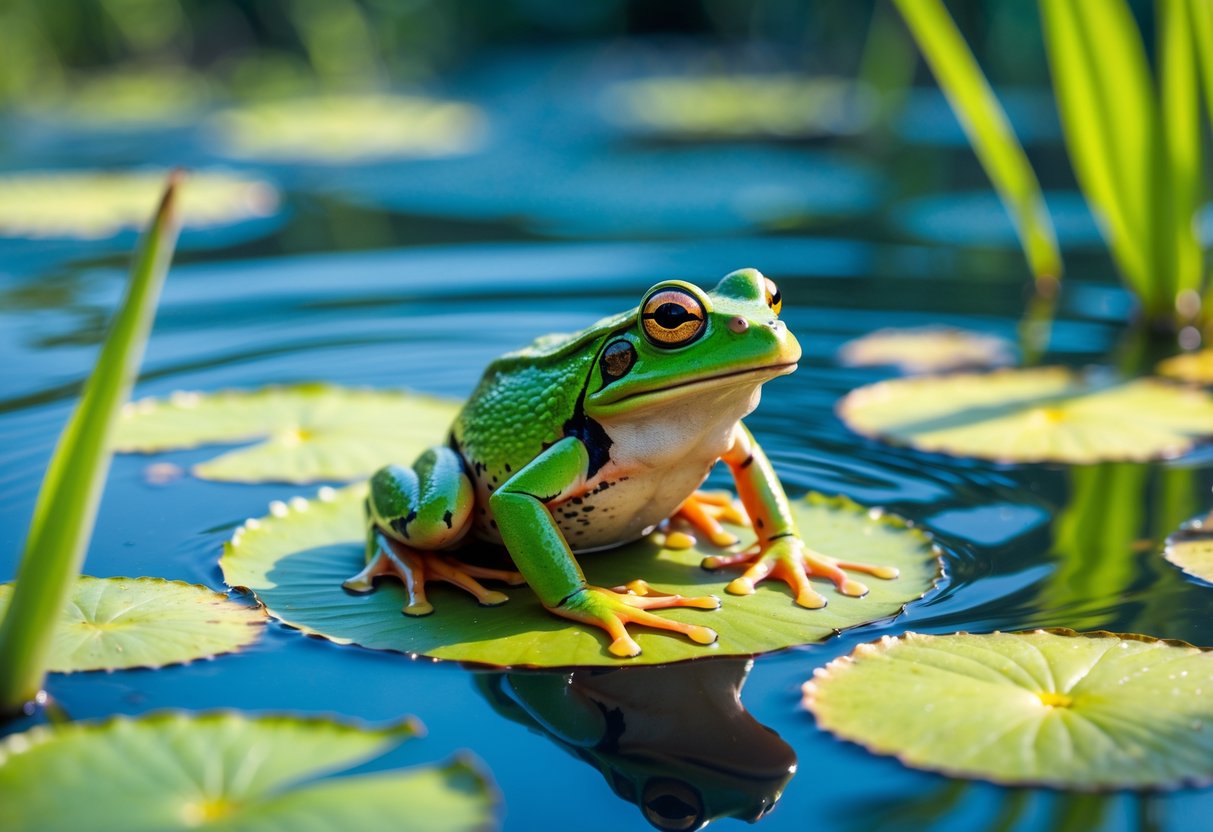
Frogs really need moist skin to breathe, so they usually hide in damp places—under leaves or close to water—when the sun’s high. Still, some frogs, like green frogs or a few tree frogs, will risk daytime activity if the weather feels right.
If you’re out exploring or just curious about frogs, knowing when they come out makes wildlife watching a lot more interesting. Weather and the seasons can totally change their routines as they look for shelter, food, or even a mate.
Do Frogs Come Out During the Day?

Frogs don’t all follow one routine. Some get active at night, while others wander around in daylight.
Species and environment shape their habits. You’ll see how frog activity changes, why some venture out in the sun, and why most stay hidden until darkness.
Are Frogs Nocturnal or Diurnal?
Most frogs are nocturnal. They hide during the day and only come out when night falls. Nighttime brings cooler, more humid air, which helps them stay moist.
Staying out of the sun also keeps them safer from predators like birds and snakes. But not every frog follows this rule.
Some frogs are diurnal and like the daylight. Poison dart frogs, for example, are super bright and active when the sun’s up. Their wild colors warn predators that they’re toxic, so they don’t have to hide as much.
These frogs usually live in rainforests, where it’s shady and damp, so they can manage daytime adventures. You might spot a few frogs moving around at dawn or dusk, too.
That’s called crepuscular behavior. These frogs take advantage of the softer light and still get some daytime hours to find food.
Frog Activity by Species
Frog behavior really depends on the species. The American toad and bullfrog prefer to get moving after dark.
During the day, they usually hide under logs, leaves, or burrow underground. Some green frogs and spring peepers break the pattern and get active during the day, especially if it’s cool and wet outside.
Rainy weather makes it easier for them to explore without drying out. Poison dart frogs, mostly living in tropical forests, spend a lot of time out in the open during daylight.
Their bold colors warn off predators. They like hanging out in open forest spots with plenty of cover and water nearby.
Temperature and habitat also play a big part. When it gets hot or dry, a lot of frogs dig deeper or find shade and slow down their daytime movement.
Why Frogs Stay Hidden in Daylight
So why do frogs avoid the sun? The biggest reason—they don’t want to dry out.
Frogs have skin that loses moisture fast in direct sunlight. During the day, they look for cool, shady places like under rocks, leaf piles, or logs.
That keeps them wet and helps them dodge heat stress. Daytime also means more predators.
Birds, raccoons, snakes—they’re all out hunting. By hiding, frogs lower their chances of getting caught.
They also rest during the day to save energy. Nighttime offers more bugs to eat and higher humidity, so it’s just easier for them.
If you want to spot frogs in action, try heading out at night or right after a rainstorm during the day. That’s when humidity’s up and frogs feel safer.
You can find more details about where frogs hide during the day at amphibianx.com or berrypatchfarms.net.
Where Do Frogs Hide During the Day?

Frogs pick resting spots that keep them cool and safe when the sun’s out. They like places where they can blend in.
These hiding places protect them from predators and rough weather.
Vegetation as Shelter
You’ll usually find frogs tucked into thick plants—tall grass, bushes, or piles of leaves. These spots give them shade and hide them from birds or other animals.
Leaves and stems hold moisture, which helps frogs stay hydrated. Frogs also use plants to control their body temperature.
When it heats up, the greenery creates a cooler spot. Their skin patterns help them disappear into the background, making them tough to spot.
Hiding in Wetlands and Ponds
Wetlands and ponds make great hiding places during the day. You might catch a glimpse of frogs under floating leaves or among pond plants.
Water keeps their skin from drying out. It also gives them a quick escape if danger shows up.
Some frogs hide underwater or just sit still on the muddy bottom. Their colors blend in with the murky water, so predators have a hard time finding them.
Burrows and Underground Spaces
A lot of frogs dig burrows or squeeze into deep cracks in the ground when it’s hot or dry. Underground spots stay cooler and more humid, so frogs can avoid heat and dehydration.
If you poke around damp soil near water, you might uncover a frog just under the surface. This trick keeps them safe from sunlight and daytime hunters.
Burrows also give frogs a quiet spot to rest.
Tree Frogs’ Daytime Hideouts
Tree frogs have some clever tricks for hiding out during the day. Since they spend most of their time up in trees or shrubs, they usually squeeze under big leaves or slip into tree hollows.
Sometimes, they just wedge themselves into cracks in the bark. Their skin blends right in with the leaves or the bark, which helps them dodge birds and other hungry predators.
They really prefer moist, shady spots way up in the treetops. It makes sense—they need to keep their skin from drying out while they’re resting.
If you’re curious about more frog hiding spots, you can check where frogs go during the day.


