
Rabbits and hares often get mixed up, but they are different animals. You might wonder if these two species can breed and have babies together. The answer is no; hares and rabbits cannot produce offspring together. They belong to different genera, which means they have distinct characteristics and reproductive traits.
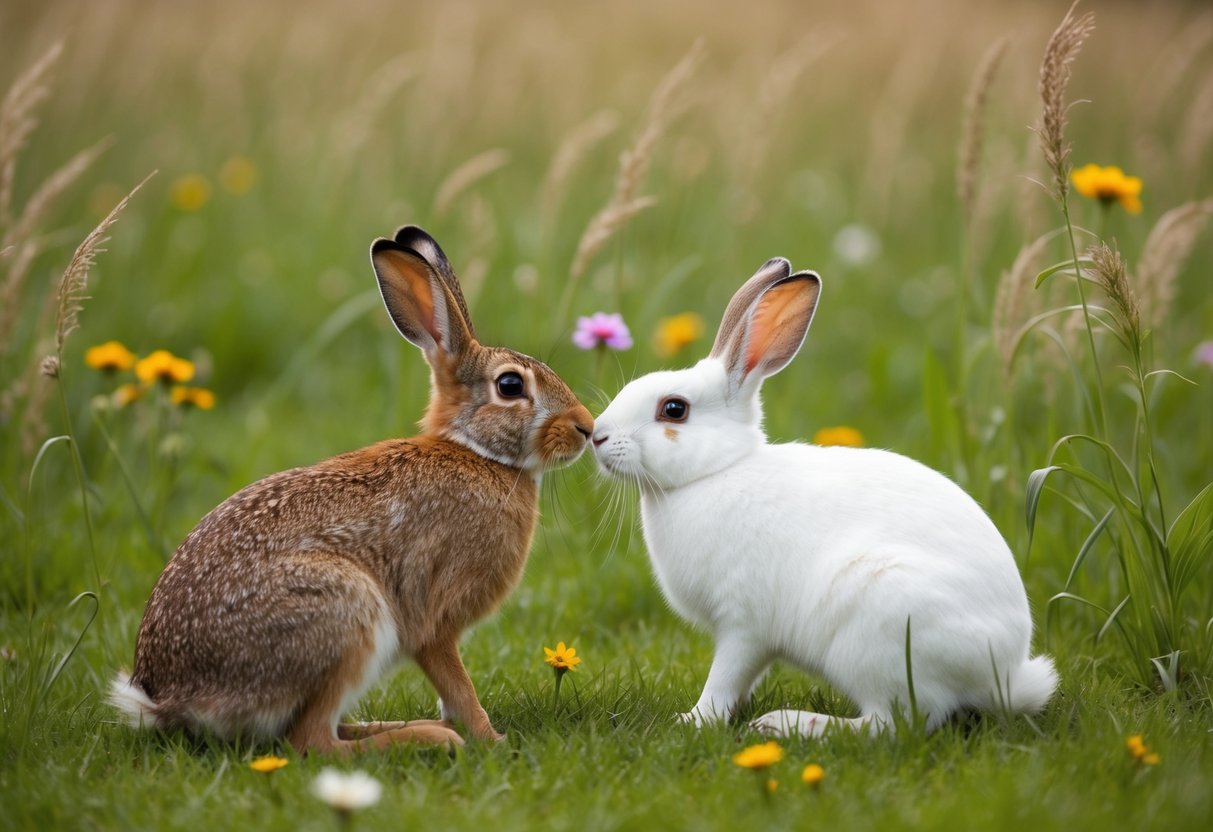
When you think of baby rabbits, called kits, you picture them born hairless and blind, needing care from their mother. Hares, on the other hand, are born as leverets with fur and open eyes, ready to run within hours. This difference in their development shows how each animal has adapted to its environment.
Understanding these differences can deepen your appreciation for rabbits and hares. Knowing why they don’t breed helps highlight the unique features that make each species special.
So, let’s take a closer look at what sets rabbits and hares apart!
Understanding Rabbits and Hares
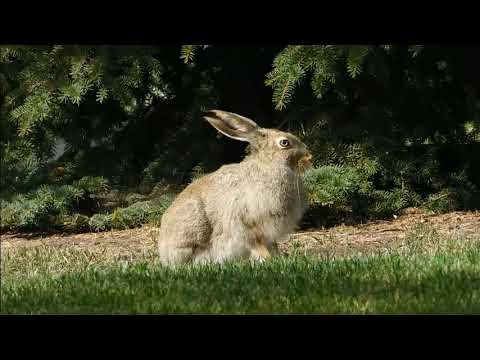
Rabbits and hares are fascinating animals that belong to the same family but have distinct differences. You’ll find it interesting to explore their physical features and how they are classified within the animal kingdom.
Physical Characteristics
Both rabbits and hares have unique physical traits that set them apart. Generally, they belong to the same family, Leporidae, and the order Lagomorpha.
Ears: Hares typically have longer ears compared to rabbits. This helps them hear predators from a distance.
Fur: Their coats can vary greatly. Rabbits often have softer, denser fur, while hares have more coarse fur suited for their different habitats.
Hind Legs: Hares have longer hind legs, making them faster runners. This is essential for escaping from predators.
Appearance: You may notice that rabbits, like the cottontail rabbit, tend to have shorter tails. In contrast, jackrabbits display longer, more slender bodies.
Species Classification
Rabbits and hares are classified under different genera.
- Genus Lepus: This includes hares like the jackrabbit, known for their incredible speed and larger size.
- Genus Sylvilagus: This includes various rabbit species, such as cottontails.
In total, there are over 60 species of rabbits and hares globally.
Social Behavior: Rabbits are generally more social animals, often living in groups. Hares, however, tend to be more solitary, coming together only during mating season.
You can see how these differences help them adapt to their environments, making them unique among wild animals.
Habitat and Lifestyle
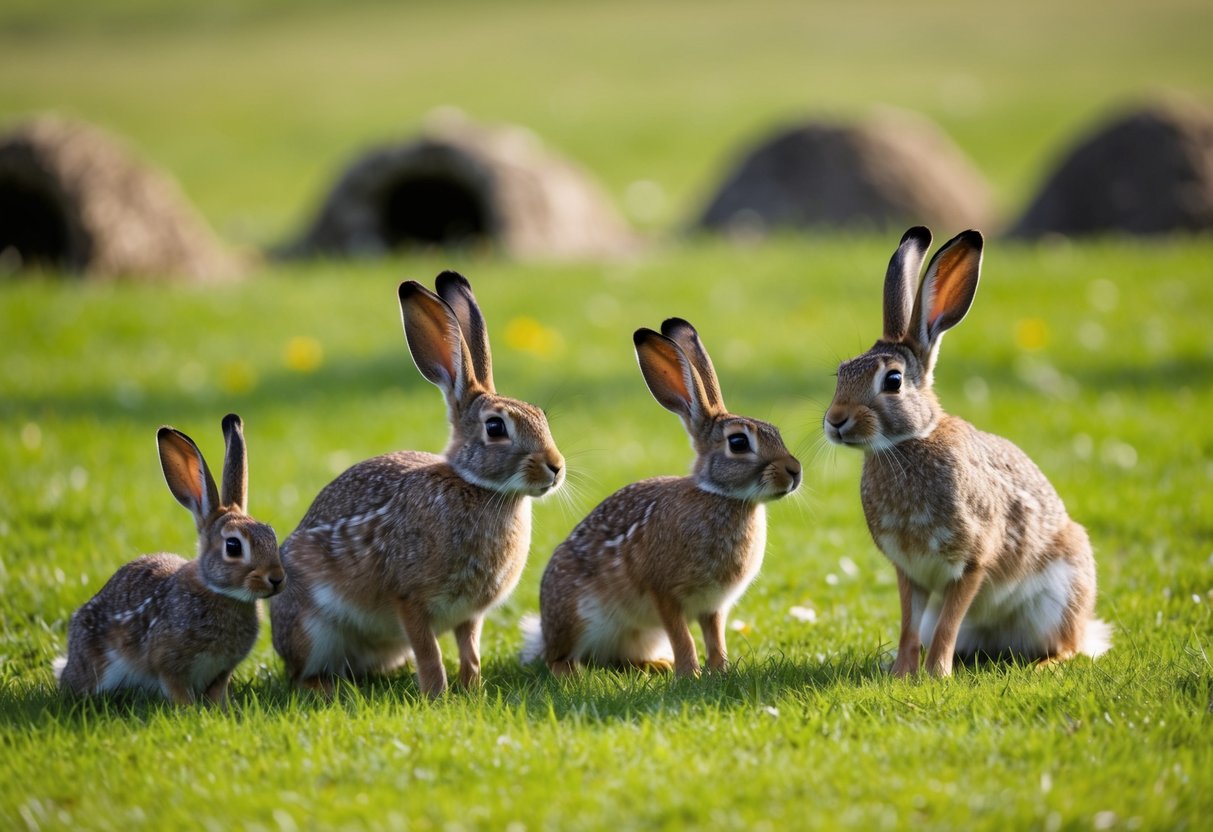
Understanding the habitats and lifestyles of hares and rabbits can help you appreciate their unique adaptations. Both animals have interesting ways of living that support their survival in various environments.
Environmental Adaptations
Rabbits and hares thrive in different habitats. Domestic rabbits often live in human homes, while wild rabbits prefer grassy areas and shrubs. Hares can be found in open fields and woodlands.
Both animals have developed camouflage. Their fur colors match their surroundings, helping them avoid predators. For instance, arctic hares have white fur in winter, blending in with the snow.
Their diets also reflect their habitats. Rabbits and hares eat grasses, leaves, and other plant materials. They need this natural food source to stay healthy and strong.
Behavioral Patterns
Your understanding of rabbit and hare behavior is essential.
Rabbits are social creatures and often live in groups. They create intricate burrows underground to protect themselves from threats.
Hares, in contrast, are more solitary and do not dig burrows. Instead, they make nests in grass. They rely on speed to escape predators, darting away when threatened.
Both animals are crepuscular, meaning they are most active during dawn and dusk. This behavior helps them avoid predators while searching for food.
Reproduction and Development
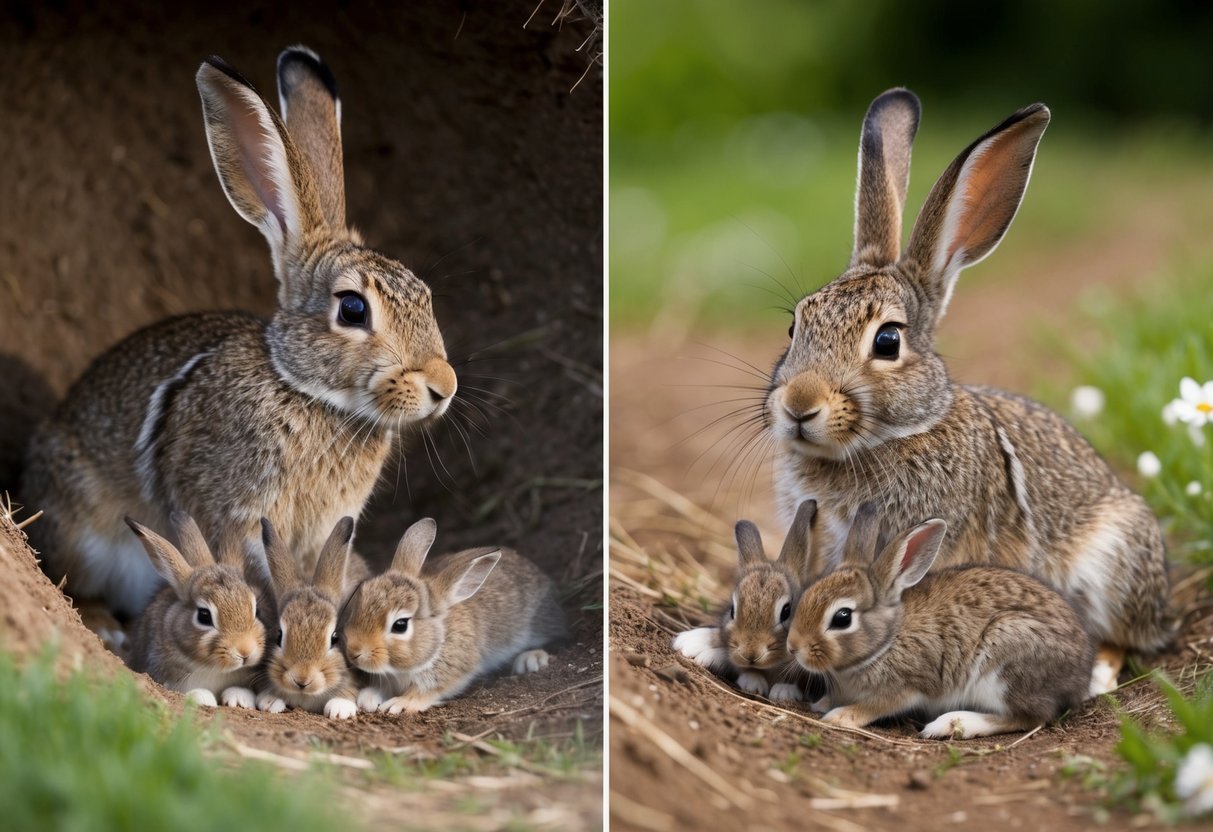
In this section, you’ll learn about the mating and breeding habits of rabbits and hares, along with the growth and development of their young. Understanding these details helps illustrate the differences between these two animals.
Mating and Breeding Habits
Rabbits and hares have different mating behaviors.
Domestic rabbits, like the European rabbit or cottontail rabbit, can breed year-round. When a female rabbit, called a doe, is sexually mature, she goes into estrus roughly every 14 days. During this time, the doe will show signs of receptivity, making her more likely to mate.
In contrast, hares have a shorter breeding season and typically mate in spring. After mating, the doe’s gestation period is about 31 days for rabbits and around 40 days for hares. This means young rabbits, known as kits, are born hairless and blind, while baby hares, called leverets, are born with fur and open eyes, making them more self-sufficient.
Growth and Maturation
After birth, the development of kits and leverets differs significantly.
Kits are altricial, meaning they are dependent on their mother for food and care. They rely on their mother’s milk and need time to grow and develop.
In contrast, leverets are precocial, so they can hop around shortly after birth, needing less immediate care.
Kits can grow quickly, often fully weaning by around 4-6 weeks. Leverets, meanwhile, are more mature and start to eat grass and other solid foods sooner. You can see size differences too; litters of rabbits may have several kits, while hares usually have smaller, individual leverets. This growth pattern highlights key differences in the survival strategies of these animals.
Challenges Facing Rabbits and Hares

Rabbits and hares face various challenges that affect their survival. This includes threats from both nature and humans, along with health problems caused by diseases.
Threats from Nature and Humans
Rabbits and hares are prey for many predators, including foxes, hawks, and snakes. These wild animals rely on them as a food source.
To survive, rabbits use their excellent camouflage to blend in with their surroundings. This helps them avoid detection in the wild.
Human activities also pose risks.
Habitat destruction from urban development can displace wild rabbits. Farming practices may lead to loss of food sources and exposure to harmful chemicals.
Domestic rabbits, when released into the wild, often struggle to adapt. They face the same predators as wild rabbits but lack the skills to escape effectively.
Health and Disease
Rabbits and hares both face many diseases. Myxomatosis, a viral disease, affects rabbits. The disease causes severe health issues and spreads through insects. It can also lead to high mortality rates in affected populations.
In addition to viral infections, rabbits can also suffer from other health problems. Conditions such as dental disease and gastrointestinal issues can impact their well-being. Maintaining a healthy diet and environment is crucial. This is true for both wild rabbits and pet rabbits living in homes. Keeping an eye out for symptoms of illness can help ensure their health.


