
As a dog owner, you may have noticed your furry friend acting out when you give attention to another pet or family member. Dogs can indeed feel jealousy and express their feelings through various behaviors like barking, growling, or trying to get between you and the other person or pet. Understanding this can help you better manage your dog’s feelings and improve their behavior.
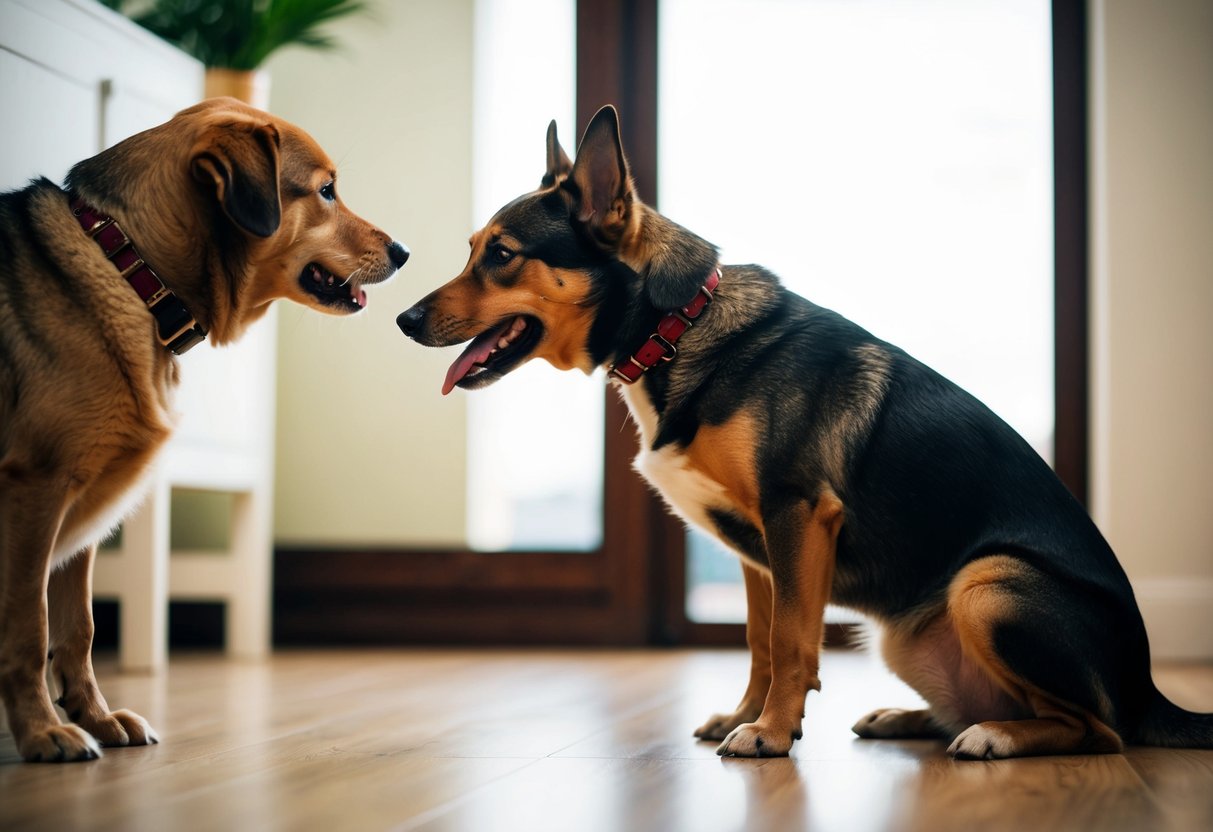
Recognizing jealousy in dogs can strengthen the bond you share with your pet. When you learn to identify signs of jealousy, you can respond in ways that make your dog feel more secure and loved. This not only reduces jealousy but also enhances your dog’s overall happiness and well-being.
In this article, we’ll explore the signs that show your dog may be feeling jealous, the reasons behind this behavior, and effective strategies to address it. Understanding your dog’s emotions can lead to a more harmonious household where everyone, including your pet, feels cherished.
Understanding Canine Emotions

Dogs have a rich emotional life that can resemble human feelings. One of these emotions is jealousy, which can show up in various ways. Understanding how dogs experience jealousy can help you build a better bond with your pet.
The Science of Jealousy in Dogs
Research suggests that dogs are capable of feeling jealousy, similar to humans. When your dog sees you giving attention to another pet or person, it may trigger feelings of jealousy. This is shown through changes in behavior and body language.
In studies, dogs often reacted negatively when they felt ignored. They might bark, push, or attempt to get your attention. This behavior indicates that dogs can experience strong emotions, much like you do. Some scientists believe that the hormone oxytocin plays a role in these feelings, promoting bonding and attachment.
Jealous Behavior and Signs
You might notice specific signs if your dog feels jealous or possessive. Common behaviors include barking, whining, or getting between you and another pet. These actions show that your dog seeks your attention and is stressed by perceived competition.
In some cases, jealousy can lead to destructive behavior, like chewing furniture or toys. This can be a sign that your dog is feeling anxious. Observing these behaviors can help you address your dog’s emotions. Providing more individual attention and positive reinforcement can reduce jealousy and promote a happier environment for your pet.
Social Dynamics and Jealousy
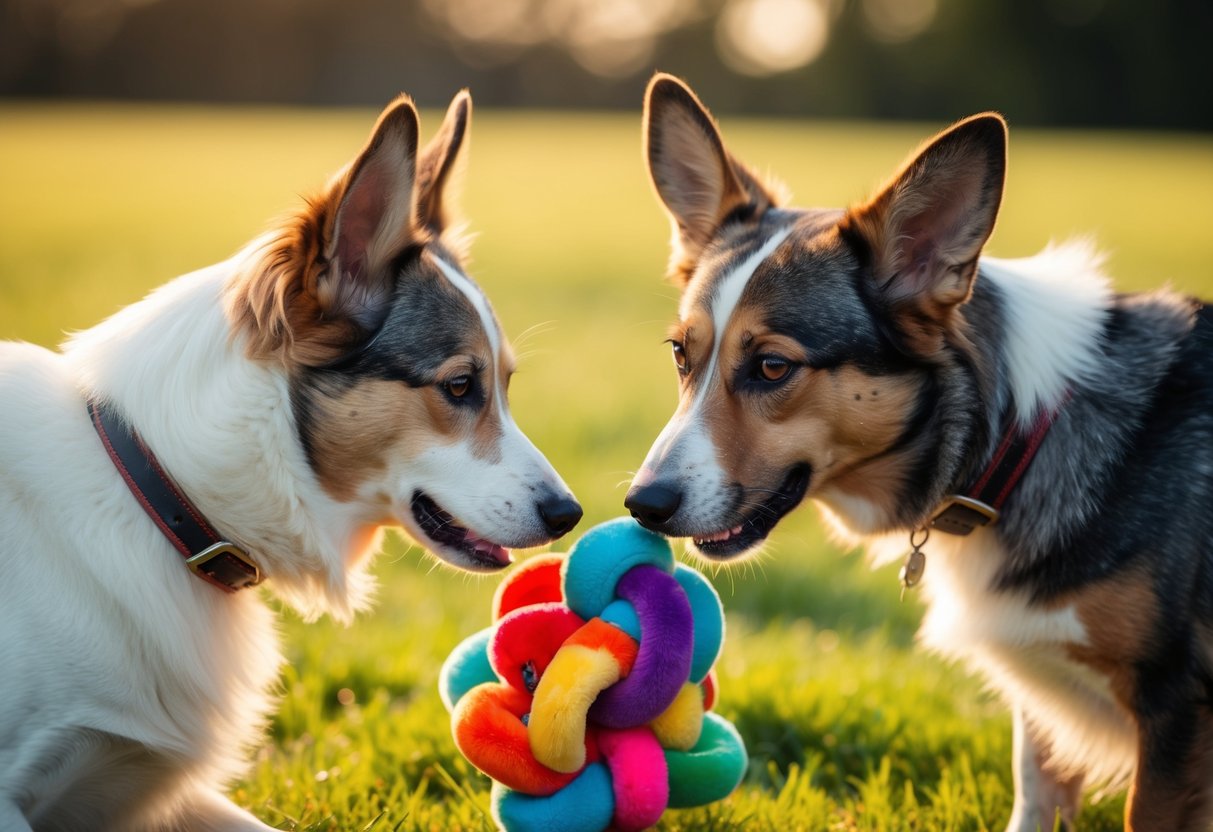
Understanding how dogs behave in social situations can reveal a lot about their feelings, including jealousy. They are sensitive creatures, and their interactions with other dogs or even people can trigger jealous behavior, especially in certain conditions.
Impact of Social Interactions
Your dog’s social interactions play a significant role in how they express emotions like jealousy. For example, if a dog sees you giving attention to another dog or a person, it may feel left out. This feeling can lead to jealous behaviors, such as barking, whining, or even growling.
You might notice your dog pushing in between you and the rival or trying to get your attention by any means necessary. Puppies can be particularly affected, as they are still learning about social dynamics. This gives your dog a perspective on fairness. If they perceive that they are receiving less attention or treats than another dog, that can make them act out.
Resource Guarding and Territorial Instincts
Many dogs display resource guarding behaviors when they feel their possessions or space are threatened. This could be a favorite toy, food, or even you. When a new dog enters the picture, your dog might react possessively by growling or blocking access to their resources.
Territorial instincts can also trigger jealous behavior. Dogs often see certain areas as their territory. When other animals or even people enter that space, it can lead to feelings of insecurity. Your dog might feel like they need to defend their territory, leading to jealousy. Recognizing these behaviors can help you understand your dog better and find ways to manage these situations effectively.
Addressing Jealousy in Dogs
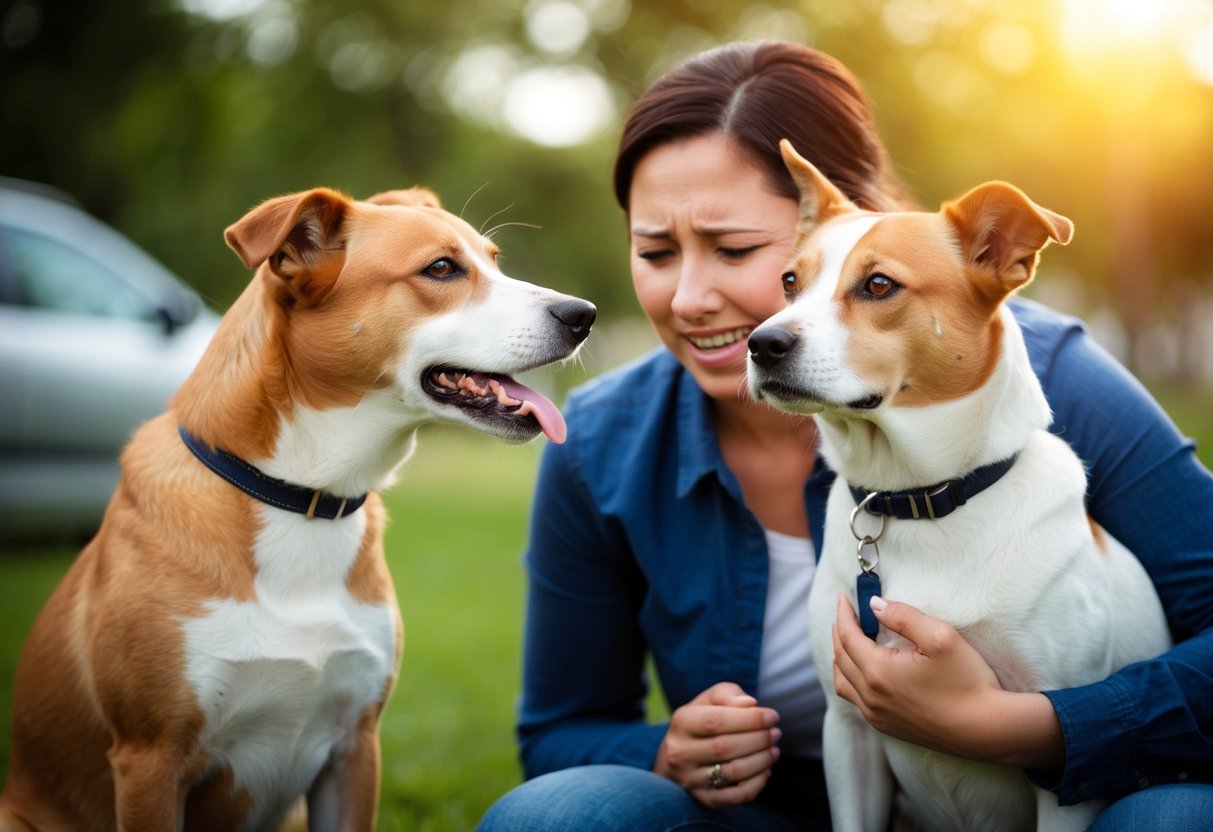
Addressing jealousy in dogs requires understanding their behavior and adjusting your approach. Using training techniques and managing aggressive behavior can help create a more balanced environment for your dog.
Training and Positive Reinforcement
Training is essential for addressing jealous behavior in dogs. Start by recognizing the triggers that cause your dog to feel jealous. Common triggers include another pet or even family members getting more attention.
Use positive reinforcement to reward calm behavior. For instance, when your dog remains relaxed during playtime with another pet, give them treats or praise. This way, your dog learns that being calm and supportive leads to rewards.
Create a structured routine that includes quality time with each pet. This can help reduce feelings of neglect and promote security. Regular training sessions can also strengthen your bond and build your dog’s confidence, leading to less jealousy overall.
Managing Aggressive Behavior
If your dog shows signs of aggressive behavior due to jealousy, you must act quickly. First, identify the situations that provoke this aggression. Keeping a diary of their behavior can be helpful.
When your dog displays aggression, redirect their focus. Use a toy or treat to guide their attention away from the source of jealousy. This can reduce stress and help your dog feel more secure.
In some cases, you may need to consult a professional trainer or vet. They can provide tailored advice and strategies for your specific situation. Managing jealousy early can prevent deeper issues and ensure a happier environment for you and your pet.


