
Finding the right dog for your busy lifestyle can be a challenge. If you work long hours or have commitments that require you to be away from home, it’s important to choose a breed that can handle being alone.
Some dog breeds are naturally more independent and can be left alone for up to eight hours without becoming anxious or bored.
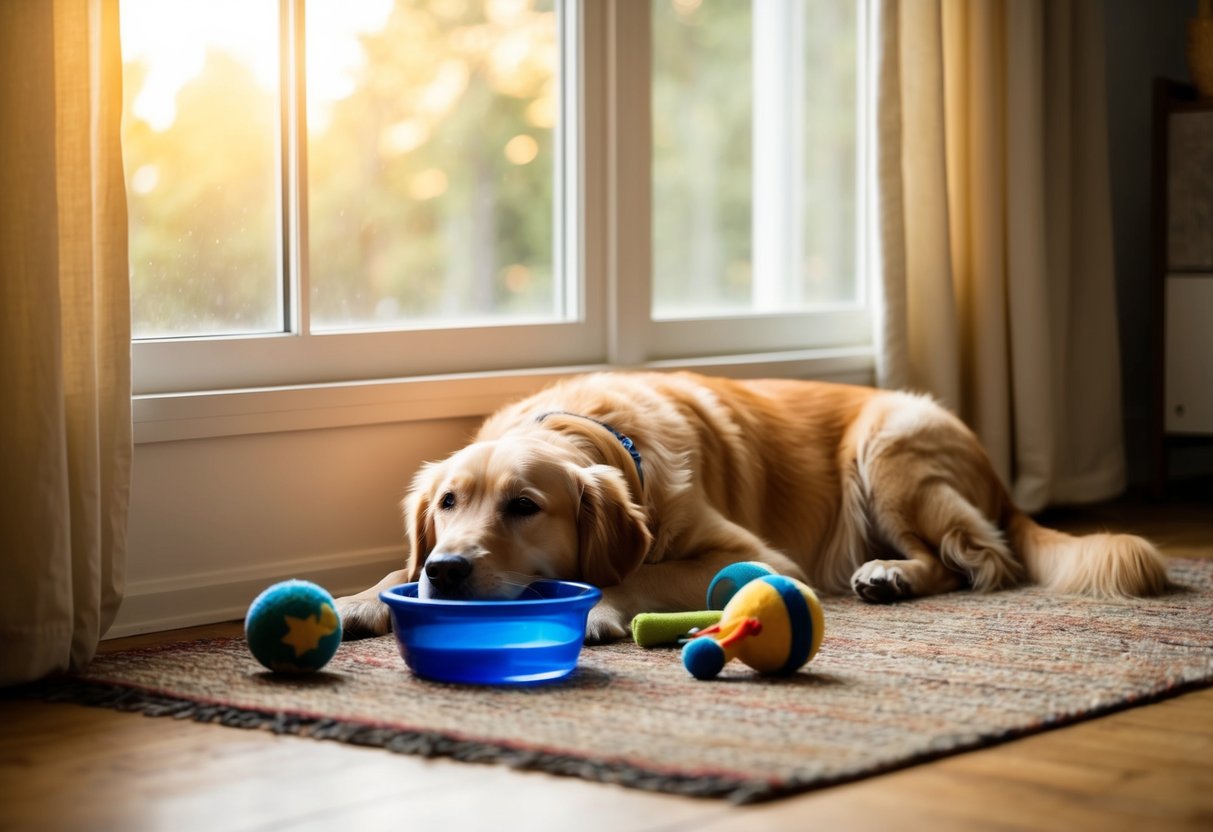
You might be surprised to learn that breeds like Basset Hounds and Bullmastiffs are known for their easy-going nature, making them good choices. These dogs can adapt well to longer periods alone, as they are typically low-energy and have a laid-back attitude. Knowing which breeds can manage this kind of schedule can help you make an informed decision.
As you consider adding a furry friend to your home, it’s essential to think about their needs and how they will fit into your routine. With the right information, you can enjoy a loving companion without compromising your lifestyle.
Understanding Canine Independence

When considering a dog that can be left alone for 8 hours, it’s essential to explore what being independent means for dogs. Some breeds naturally adapt to time alone, while their unique traits influence their behavior when left unattended.
Defining ‘Alone Time’ for Dogs
‘Alone time’ refers to the duration a dog can spend without human companionship. For many dogs, this period must be managed carefully. An independent dog, like a Greyhound or a Basenji, often handles solitude better than more social breeds.
To help your dog adjust, consider starting with shorter time frames. Gradually increase the duration as they become comfortable. Providing engaging toys or puzzle feeders can also assist in keeping your dog occupied. Remember, not all dogs will enjoy alone time, and emotional needs vary by breed.
Significance of Breed and Temperament
Different breeds exhibit various levels of independence. For example, Basset Hounds and Bullmastiffs are known for their laid-back nature, making them suitable for longer hours alone.
Furthermore, temperament plays a significant role. A well-socialized dog may still get anxious, while an independent breed may thrive without much interaction. Always observe your dog’s comfort level. If a breed is known for being more independent, it doesn’t mean all individual dogs will share those traits.
Familiarize yourself with your dog’s needs to ensure happiness, even when you’re away.
Selecting Suitable Breeds for a Full-Time Job Lifestyle
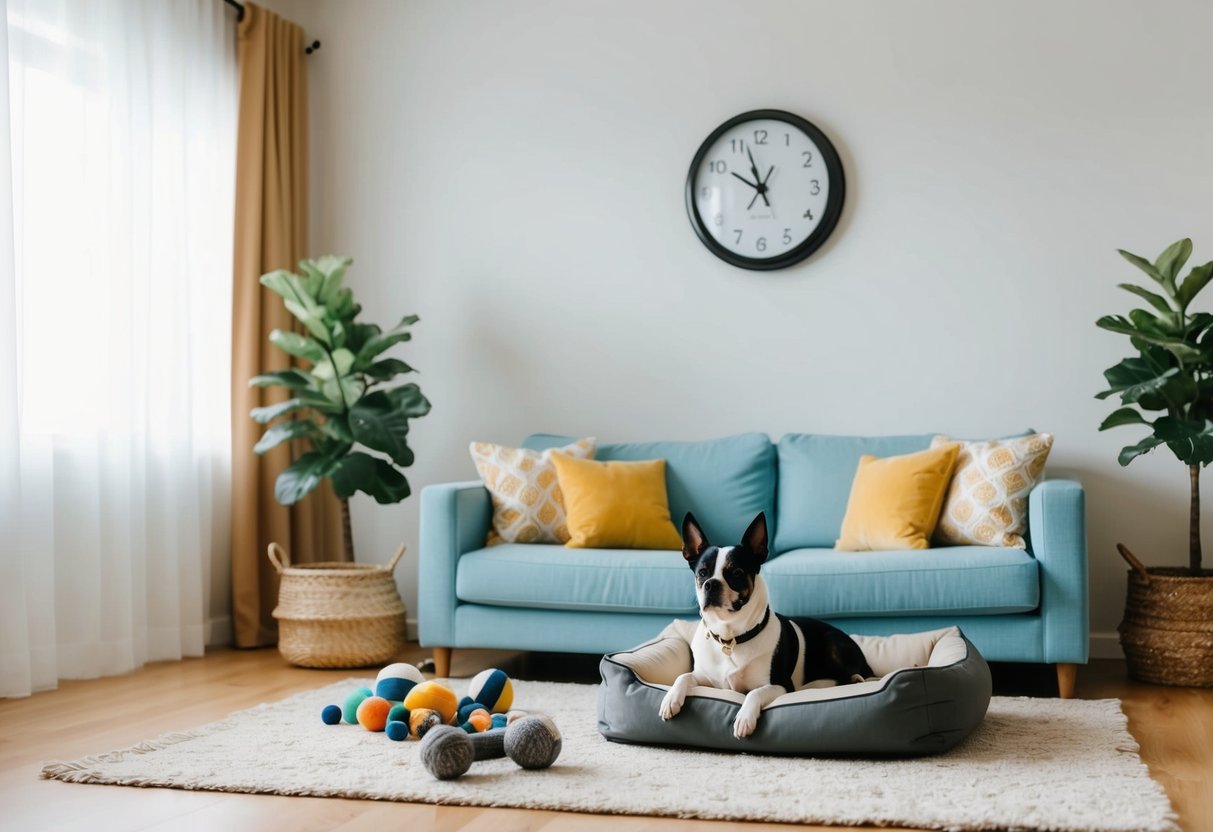
Choosing the right dog breed is essential if you work full-time. Some breeds thrive when left alone for longer periods, making them ideal for busy lifestyles. Here are some options and tips to help you make the best choice.
Dog Breeds That Can Be Left Alone
Certain dog breeds can adapt well to being left alone for up to eight hours. Here are some breeds that are generally known for their independence:
- Basenji: This breed is low-maintenance and enjoys its own company.
- Chihuahua: Small and adaptable, Chihuahuas can thrive in apartments and don’t need constant attention.
- Greyhound: Surprisingly, they are calm and lazy. They enjoy lounging for hours without anxiety.
- Basset Hound: With a laid-back nature, they can tolerate solitude well.
- French Bulldog: This breed is friendly and does well with short alone times.
- Shiba Inu: Known for being independent, they manage well when left alone.
- Pug: Their easy-going nature makes them good companions for busy owners.
These breeds may be suitable if you can provide them with enough care and exercise when you are home.
Adapting Breeds to Extended Alone Time
To help your dog adjust to spending several hours alone, consider these tips.
- Gradual Alone Time: Start by leaving your dog alone for short periods. Gradually extend this time as they become more comfortable.
- Mental Stimulation: Use puzzle toys or treat dispensers to keep your dog engaged while you’re away.
- Routine: Set a consistent schedule for walks and playtime to help your dog feel secure.
- Comfort Zone: Create a cozy area with their bed, toys, and items that smell like you.
Breeds like the Maltese, Lhasa Apso, and Boston Terrier can adapt well with the right support. Always remember to balance your dog’s needs with your lifestyle to ensure a happy, healthy pet.
Preventing and Managing Separation Anxiety
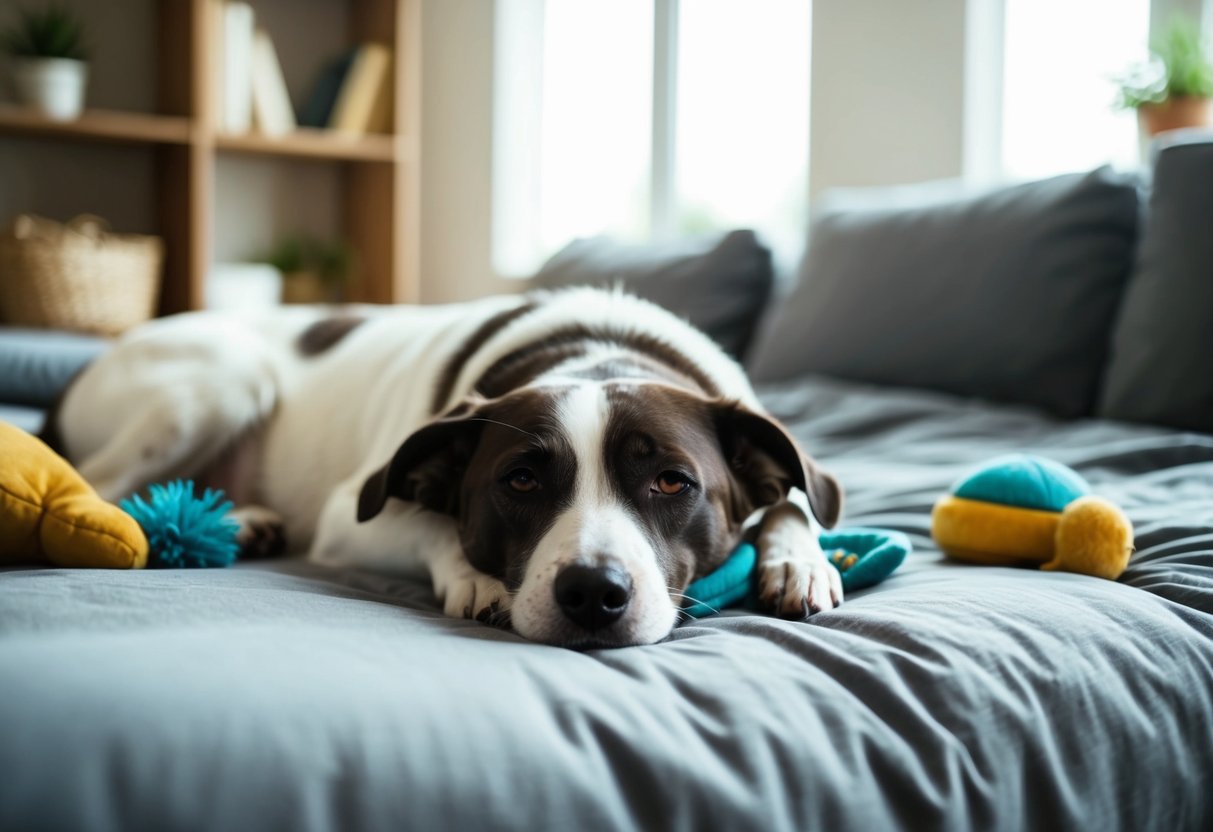
Dealing with separation anxiety in dogs can be challenging, but there are effective ways to help. Implementing training tips and strategies can greatly reduce anxiety and prevent destructive behavior when you leave your dog alone.
Training Tips to Reduce Anxiety
Training and socialization are key in reducing separation anxiety. Start by leaving your dog alone for short periods at first, gradually increasing the time as they get used to it. Use positive reinforcement with treats or praise to reward calm behavior during departures and arrivals.
Crate training can be beneficial as well. Make the crate a comfortable space with familiar toys and bedding. This helps your dog associate the crate with safety. You can also provide mental stimulation through puzzle toys or interactive feeders to keep your dog occupied.
Regular exercise is important too. A good walk or play session before leaving can help tire your dog out, making them more likely to relax while you’re gone.
Dealing with Destructive Behavior
If your dog displays destructive behavior due to separation anxiety, it’s essential to address it immediately. First, identify the triggers. Is your dog chewing furniture or digging at the door?
Consider creating a safe environment where your dog cannot destroy items. Baby gates or playpens can help restrict access to certain areas.
When you return home, avoid caning your dog for destructive actions. Instead, stay calm and redirect their attention to acceptable toys. You can also teach commands like “leave it” to help them focus on positive behaviors.
Lastly, using calming aids, like pheromone diffusers or anxiety wraps, can assist in reducing your dog’s stress levels during your absence.
Support Solutions for Busy Dog Owners
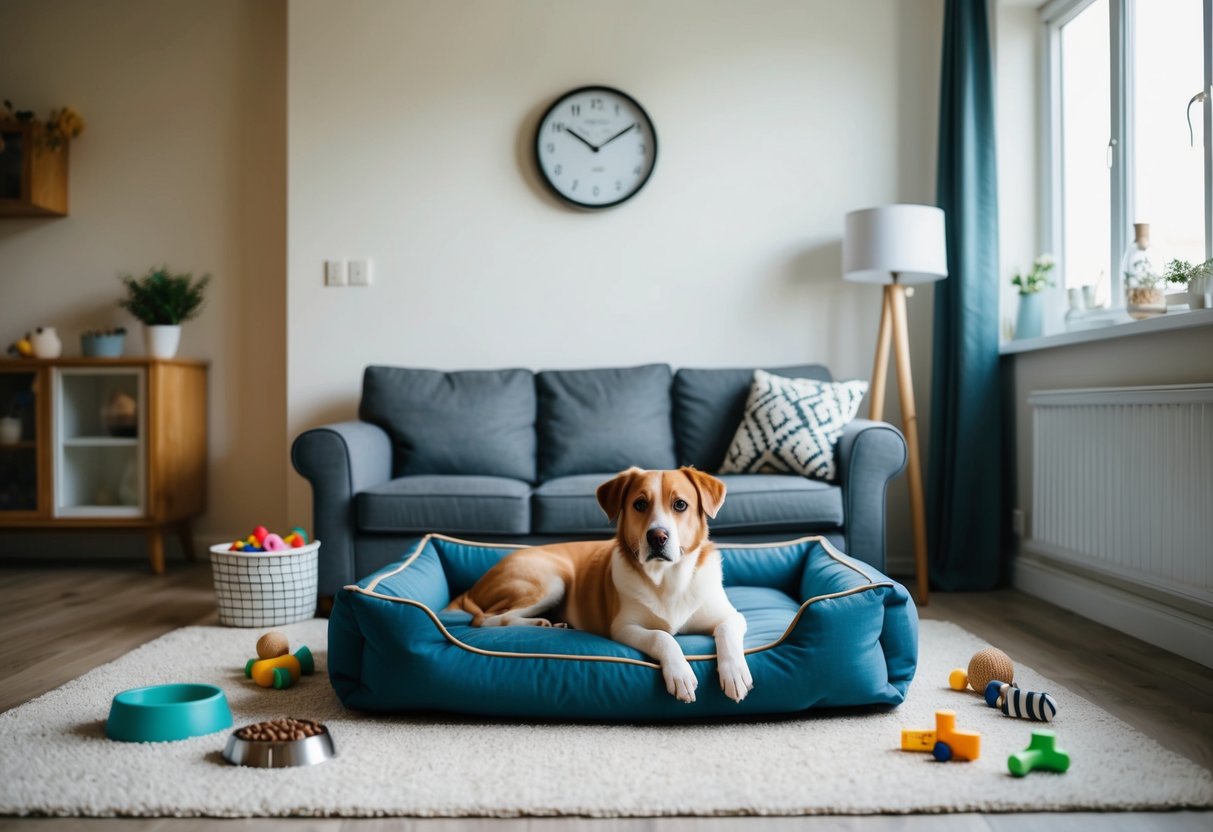
Managing a busy schedule while caring for your dog can be challenging. Fortunately, there are effective support solutions that can help ensure your pet stays happy and healthy even when you are not home.
Professional Help and Daily Routines
Consider hiring a dog walker or a pet sitter if you need to leave your dog alone for extended periods. Dog walkers can provide essential exercise and mental stimulation, breaking up long hours of solitude. A pet sitter can offer companionship and help with feeding, which is especially beneficial for rescue dogs or those with bladder control issues.
Establish a daily routine that includes regular walks, playtime, and training sessions. This structure helps your dog feel secure and reduces anxiety about being left alone. You can also train your dog gradually to cope with your absence, increasing the time you leave them alone in small increments.
Creating a Secure and Stimulating Environment
Make your home a safe and fun place for your dog to stay while you are away.
Create a designated space with their favorite toys and a comfortable bed. Interactive toys that dispense treats can keep them busy and mentally engaged.
Also, consider using pet cameras. These allow you to check in on your dog while you’re out. You can even talk to them, which can be reassuring for both of you.
Ensure that your dog has access to fresh water and a safe space where they feel comfortable. This can help ease the stress of being left alone, making the time apart less daunting for them.


