
If you’ve ever wondered about your Boxer’s loyalty and temperament, you’re not alone. Boxers are known for their friendly and protective nature, making them great family pets. They are generally not known to turn on their owners unless provoked or improperly trained.
Understanding their behavior can help you ensure a loving and safe relationship with your Boxers.

As a breed originally developed for guarding, Boxers can sometimes display aggressive tendencies in certain situations. However, their loyalty often shines through, and with the right training and socialization, you can help them stay balanced and friendly.
By providing them with enough exercise and positive interactions, you can nurture their playful personality.
Knowing more about Boxers will help you enjoy a rewarding experience as an owner. Their spirited nature and devotion to family make them a beloved choice for many dog lovers. Explore how to manage any concerns while appreciating the unique qualities of your Boxer.
Understanding Boxer Dog Behavior

Boxer dogs are known for their vibrant personalities and strong protective instincts. Your understanding of their behavior is key to fostering a healthy relationship. Below are important aspects of their temperament, reasons for aggression, and the difference between protective and aggressive behavior.
Temperament and Personality
Boxers are playful, energetic, and deeply affectionate. They thrive on companionship and are known for their loyalty. You’ll often find them enjoying games like fetch or tug-of-war.
Their intelligence makes them quick learners, but they also need consistent training.
Socialization from a young age is crucial. Proper socialization helps reduce fears that may lead to aggression.
Understanding your Boxer’s unique temperament allows you to build a strong bond and ensures they feel secure in their environment.
Causes of Aggression in Boxers
Although Boxers are generally friendly, they can show signs of aggression without proper training or socialization. Common causes of aggression include fear, territorial instincts, or lack of exercise.
If your Boxer feels threatened or believes their space is invaded, they may react defensively.
Early training and socializing with other dogs can help prevent these issues.
Keeping your Boxer mentally and physically stimulated is vital. Boredom can lead to destructive behavior, escalating into aggression if left unaddressed.
Difference Between Protective and Aggressive Behavior
It’s important to distinguish between protective instincts and aggressive behavior in Boxers. Protective behavior is a natural trait for them. They are loyal companions who will defend you if they sense danger.
On the other hand, aggression may arise from fear or anxiety. When Boxers feel threatened, they may display aggressive behavior, but this is not typical of their nature.
To maintain a healthy balance, focus on positive reinforcement during training. This encourages your Boxer to be protective without crossing into aggression, ensuring a safe and loving environment for everyone.
Training and Socialization

Training and socialization are essential for Boxers to ensure they grow into well-mannered and confident dogs. Proper training helps manage their protective instincts, while socialization exposes them to various environments and experiences. Here’s a closer look at the key aspects of training and socialization for your Boxer.
The Importance of Early Socialization
Early socialization is crucial for Boxer puppies. It helps them adapt to different people, pets, and settings. By introducing your puppy to various experiences, you build their confidence and reduce the risk of fear-based aggression later in life.
Aim to start socialization as early as possible, ideally around 8 weeks old.
Take your puppy to dog parks, visit friends, or sign up for puppy classes. This exposure helps your Boxer become more adaptable and friendly. Socializing at a young age leads to a well-rounded adult dog.
Training Techniques for Boxers
Training your Boxer requires patience and consistency. Use positive reinforcement methods to encourage desired behaviors. Rewards like treats, praise, and playtime motivate your dog to learn.
Begin with basic commands like “sit,” “stay,” and “come.”
Short training sessions work best, lasting about 5 to 10 minutes. Gradually increase the challenge as your Boxer learns.
For more complex skills, consider seeking help from a professional dog trainer who understands the Boxer breed.
Remember, Boxers are intelligent and eager to please, making them quick learners when trained correctly.
Dealing with Aggressive Tendencies
If your Boxer shows signs of aggression, it’s important to address this behavior early. Common triggers for aggression in Boxers include fear, territorial instincts, or lack of socialization.
Start by identifying the cause of the aggression. Is it fear of strangers or another dog? Once you have a clear understanding, you can work on addressing it directly.
Use positive reinforcement to reward calm behavior when faced with a trigger.
In some cases, seeking professional help is a good choice. A professional dog trainer can provide guidance tailored to your Boxer’s specific needs.
Proper training and socialization can greatly reduce aggressive tendencies and promote a well-adjusted pet.
Exercise and Mental Stimulation
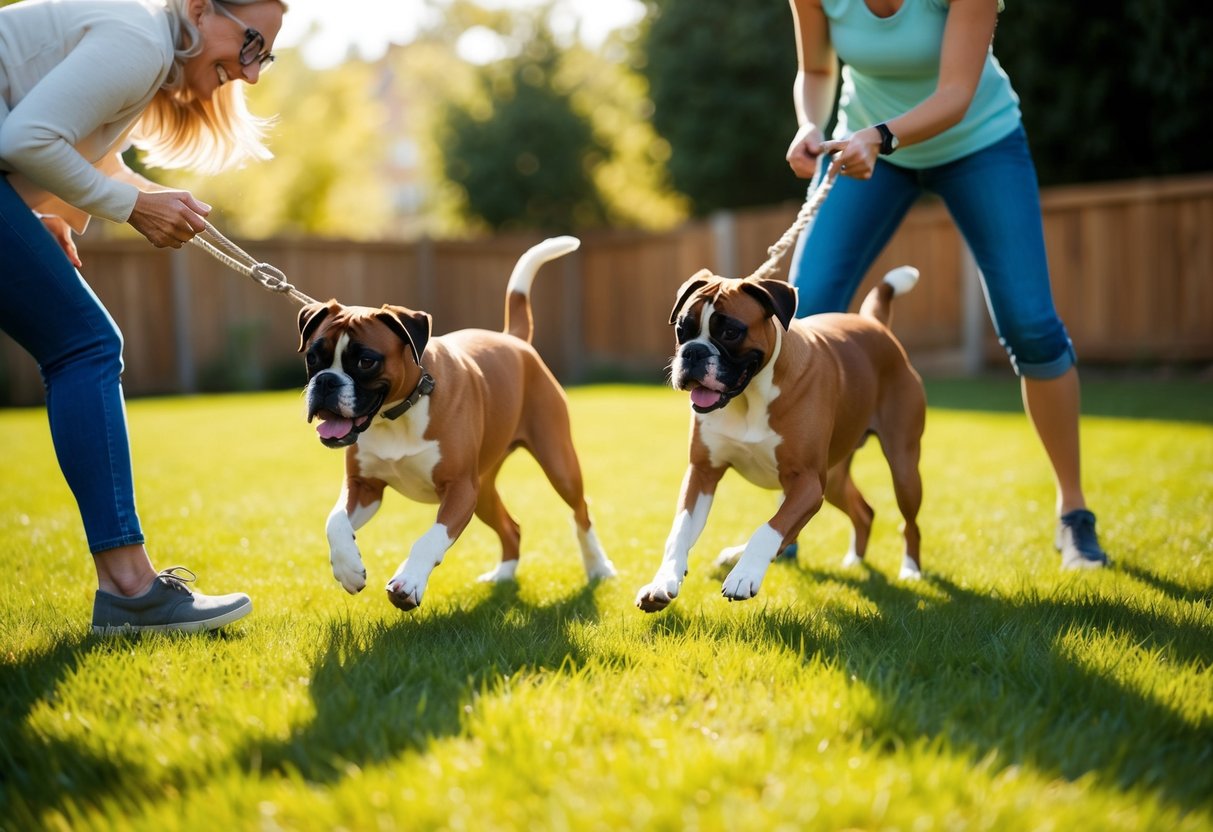
To keep a Boxer happy and well-behaved, it’s important to provide both exercise and mental stimulation. These energetic dogs need regular physical activity to prevent boredom and potential behavioral issues. Engaging their minds is just as crucial for their overall well-being.
Daily Exercise Requirements
Boxers are high-energy dogs that require at least 60 to 90 minutes of exercise each day. This can include activities like brisk walks, running, or playing fetch.
Regular daily exercise helps burn off their energy and can reduce the risk of aggression or destructive behavior.
Consider mixing up your routine to keep things interesting. Try varying your walking routes or add in some running at the park. Group playdates with other dogs can also help your Boxer socialize and get extra exercise.
Consistency is key. Developing a routine will help your Boxer know when to expect activity, making them feel secure and fulfilled.
Activities and Toys for Mental Engagement
In addition to physical exercise, mental stimulation is essential for Boxers. They are intelligent dogs with a high prey drive, so you can keep them engaged with interactive toys and puzzles.
Look for toys that require problem-solving skills or even toys that dispense treats when solved.
Some fun activities include:
- Puzzle Feeders: These can make meal times engaging.
- Hide and Seek: Hide treats around the house for your Boxer to find.
- Basic Obedience Training: Teaching your dog new commands can stimulate their mind and strengthen your bond.
Rotating toys and activities can keep things fresh. This will help to prevent boredom and encourage your Boxer to stay active both physically and mentally.
Health and Behavioral Issues
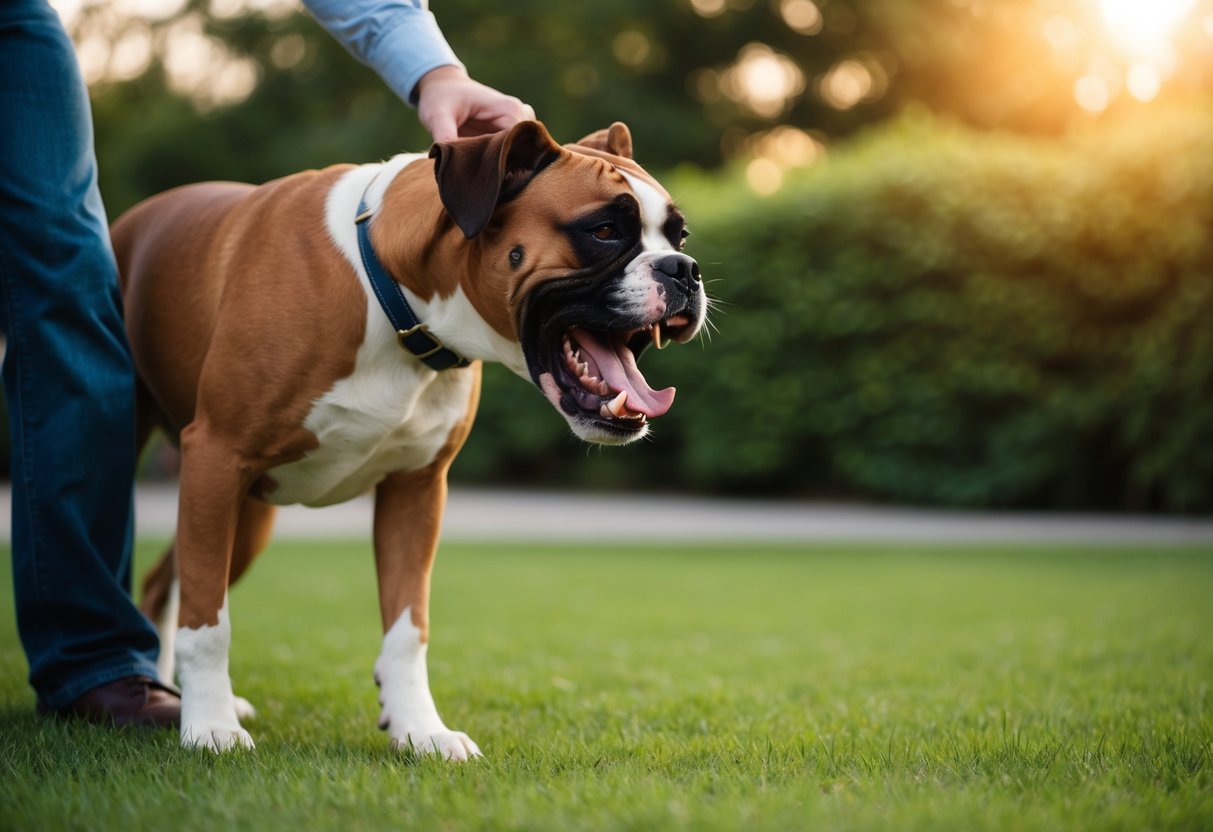
Boxers can be loving and loyal pets, but they may also face health and behavioral challenges that affect their interactions with you and others. Understanding these issues is important for ensuring a safe and happy relationship.
Common Health Problems in Boxers
Boxers are prone to several health issues that can influence their behavior. Some of the most common problems include:
- Aortic Stenosis: A heart condition often present at birth, it can lead to serious complications.
- Boxer Colitis: This digestive disorder may cause vomiting and diarrhea, leading to discomfort.
- Hip Dysplasia: A genetic condition that affects the hip joints, leading to pain and mobility issues.
Being aware of these conditions can help you provide better care for your Boxer. Regular check-ups with your vet can catch problems early. If your dog shows signs of distress, such as aggression or biting, it might be due to pain from these health issues.
When to Seek Professional Help for Aggression
If you notice signs of Boxer aggression, such as growling, snapping, or biting, it’s essential to address these behaviors early.
Aggression can stem from several factors, including:
- Fear or anxiety: If your Boxer feels threatened, they may react aggressively.
- Health issues: Pain or discomfort from underlying health problems can lead to a change in behavior.
If your Boxer shows aggression, consulting with a professional trainer or veterinarian is wise. They can help you determine the cause and develop a training plan to manage or reduce aggressive behaviors.
Early intervention is key to preventing escalation and maintaining a peaceful environment for you and your Boxer.


