
Ever wondered if chimpanzees feel pain like you do? The answer’s actually pretty simple—yeah, they do.
Chimpanzees experience both physical pain and emotional feelings like fear and sadness, just like humans. That’s why understanding their pain really matters when we think about how we treat and care for them.

Pain isn’t just about a scraped knee or a broken bone. Chimpanzees show emotional pain too.
They react to hurt by limping or steering clear of stuff that hurt them before. Sometimes, they even comfort each other when someone’s in distress. That’s a pretty strong connection to others’ feelings, don’t you think?
Knowing chimpanzees feel pain so much like us kind of changes how we see their needs. It also makes you wonder about how we should treat them, whether they’re out in the wild, in captivity, or even in labs.
If you’re curious about how chimpanzees show pain and why it matters, stick around.
Chimpanzee Pain Perception and Responses

Chimpanzees feel pain through brain pathways that are a lot like ours. You can spot their reactions in their behavior and emotions.
Their responses show not just physical pain, but also how they try to protect themselves and others. If you want to care for them well, you really need to notice these signs.
How Chimpanzees Experience Pain
Special nerve cells called nociceptors help chimpanzees detect pain. These cells send signals to brain areas that process pain, almost exactly like in humans.
So, they feel sharp pain and even that dull, ongoing discomfort.
Their brain structures for pain? Nearly identical to ours.
When something hurts them, they’ll try to avoid whatever caused it before. You might see a chimpanzee quickly move away from something dangerous or painful.
But it’s not just about the body. Chimpanzees also experience emotional pain—sadness or fear after being hurt.
This mix of feelings makes their experience surprisingly close to ours. If you want to dig deeper, check out the article on chimpanzee pain perception and responses.
Behavioral Signs of Pain in Chimpanzees
You can tell when a chimpanzee’s in pain if you watch closely. They might limp or cradle the sore spot.
Sometimes, they make certain sounds that really show they’re upset.
They’ll avoid places or objects that hurt them before. Maybe you’ll notice they eat less, seem restless, or just act withdrawn when they’re hurting.
What’s really touching? They take care of each other.
When one chimpanzee gets hurt, others might groom or sit close, offering comfort. That’s empathy right there.
If you know what to look for, these signs help you recognize when a chimpanzee’s suffering, even if you can’t see an obvious injury.
Pain Relief and Analgesic Responses
Chimpanzees respond well to pain relief, just like we do. When you give them medicine to ease the pain, they often bounce back to normal behavior faster.
You’ll probably see fewer signs of distress when they get painkillers.
Good care means paying attention to both their physical and emotional pain. Giving them space to rest and time with their group helps them heal.
Managing their pain means watching for changes in behavior or mood and acting quickly. You can find more on supporting their well-being during pain and treatment if you’re interested.
Pain, Experimentation, and Captivity Effects on Chimpanzees
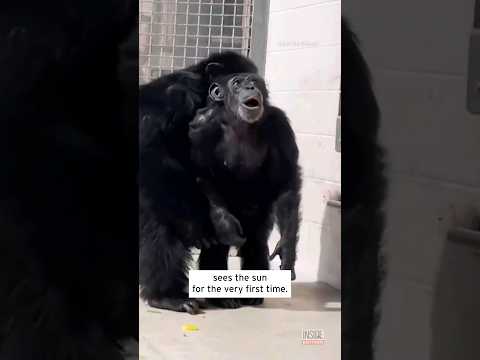
Chimpanzees feel pain both physically and emotionally, and things can get worse when they’re in experiments or stuck in captivity. Their mental health really takes a hit in those situations.
You’ll see how research and captivity affect them, and why their treatment deserves real thought.
Impact of Experimentation on Pain and Wellbeing
When scientists use chimpanzees for experiments, the animals feel real physical pain. The tests can cause injuries or just plain discomfort.
But that’s not the whole story. They also suffer emotional pain—stress, anxiety, and even depression.
Experiments often separate chimpanzees from their families and natural homes. That kind of change creates trauma and long-lasting mental health problems.
Honestly, some research ignores these effects. Sure, there are efforts to improve things and reduce pain, but the harm—both emotional and physical—can still be serious.
For more, check the impacts of experimentation on chimpanzee wellbeing.
Emotional Consequences of Captivity
Living in captivity can really mess with a chimpanzee’s emotions. When they’re kept in small spaces or alone, they sometimes show signs like human depression or PTSD.
You might see them rocking, hurting themselves, or just withdrawing from others.
Chimpanzees are social animals. When they lose friends or don’t have space to move, their emotional health gets worse.
They need mental stimulation and company to feel okay.
Good care in captivity isn’t just about physical health. It means giving chimpanzees space, friends, and things to do so their minds stay active.
For more ideas, check out the effects of captivity on chimpanzee mental health.
Ethical Considerations for Chimpanzee Treatment
We really need to think about how we treat chimpanzees, especially in places like labs or zoos. After all, they feel pain just like we do, and hurting them brings up some tough ethical questions.
Plenty of people argue that we shouldn’t use chimpanzees in painful experiments or keep them in rough conditions. Their intelligence—and honestly, their emotional depth—means they deserve a fair amount of respect and protection.
It’s worth considering how to balance scientific goals with animal welfare. If we changed the way we care for and treat chimpanzees, we could actually help reduce their suffering.
Want to dig deeper? Check out more on the ethical concerns surrounding chimpanzee research.


