
Ever wondered just how smart chimpanzees actually are? You’re definitely not the only one. These animals have a lot in common with us, especially when it comes to intelligence.
Most estimates put the average IQ of a chimpanzee somewhere between 40 and 60. That’s about on par with a human child who’s three or four years old. It’s kind of wild to think about, honestly.

Chimps use tools, pick up new skills from each other, and show off some surprisingly complex social behaviors. Their intelligence is really something. Still, testing a chimp’s IQ isn’t like giving a human an exam, so these numbers are just a rough way to grasp how smart they are.
Let’s dig into what makes chimpanzee intelligence so unique. You’ll see how their environment shapes their minds, and maybe you’ll start to see why they’re so fascinating when it comes to thinking and learning.
IQ of a Chimpanzee: Estimates and Human Comparison
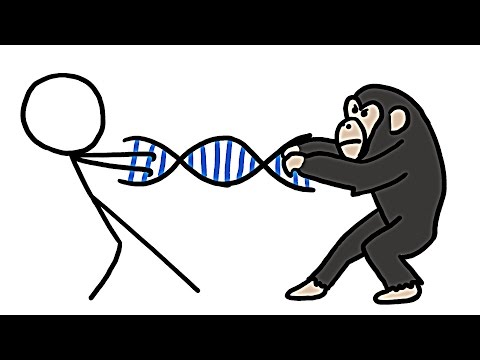
People often compare chimpanzee intelligence to human intelligence, but it’s not a straightforward thing. Their problem-solving, memory, and social skills give us some clues about their cleverness.
If you understand how researchers estimate their IQ, you can get a better sense of both the abilities and the limits of these comparisons.
How Chimpanzee IQ Is Measured
So how do scientists even figure out a chimpanzee’s IQ? Human IQ tests don’t really work, since chimps don’t use language or math the way we do.
Researchers create tests focused on memory, tool use, and social learning instead. They might watch how a chimp solves a puzzle, uses a stick to get food, or learns by watching others.
Scientists also study the chimp’s brain size and compare how their brains function next to ours. These methods give us a ballpark idea of their intelligence, but they don’t tell the whole story.
The point is to measure the skills that matter for chimps in their own world and social groups.
Estimated IQ Range for Chimpanzees
Most experts say chimpanzee IQ usually falls between 35 and 60. That’s about what you’d see in a young child, maybe three or four years old.
There’s some debate though. Some studies stretch that range from 20 all the way up to 90, depending on the test and the individual chimp.
Here’s a quick breakdown:
- Lower range: 20-25, showing basic problem-solving.
- Middle range: 35-50, with stronger memory and tool use.
- Higher range: 60-90, for chimps who really excel at tough tasks.
Chimps have different strengths—maybe creativity, maybe social smarts—that can change their scores a lot.
Challenges in Comparing Chimpanzee and Human Intelligence
Trying to compare your IQ to a chimp’s? It’s not really apples to apples. Human IQ tests focus on stuff like language, math, and abstract thinking, which chimps just don’t do the same way.
Chimps think in ways that help them survive: using tools, learning from others, and solving practical problems. Their brains are smaller—about 60% the size of ours—and they never develop complex language.
When you see their IQ scores, don’t assume chimps are “less smart.” Their intelligence just works differently. They’re great at social skills, memory, and picking up on emotions, which matter a lot in their groups.
If you’re curious, you can check out more about the IQ of a chimpanzee.
Chimpanzee Intelligence: Cognitive and Social Abilities

Chimpanzees find clever ways to solve problems, use tools, communicate, and read emotions. They learn by watching others and use their minds to deal with both physical and social challenges.
Problem-Solving and Tool Use
You might see a chimp use a stick to fish termites out of a mound. Or maybe they’ll crack open nuts with rocks. When you watch them, it’s clear they understand cause and effect pretty well.
Sometimes they even plan ahead, combining tools in smart ways to get what they want. These skills help them survive and adapt in the wild.
Chimps have brains about 60% the size of ours. That limits them a bit, but honestly, their mental skills are still impressive.
Communication Skills and Social Learning
Chimps communicate with gestures, facial expressions, and all sorts of sounds. You might catch one warning the group or comforting a friend.
A lot of what they know, they pick up by watching adults. This kind of social learning spreads tool tricks and food-finding habits through their groups, almost like a culture.
They work together and figure out social rules, which keeps them safe and helps them thrive. Social smarts matter just as much as tool use for them.
Emotional Awareness and Empathy
Chimps really do show empathy. You’ll see them comforting upset friends or even grieving when someone dies.
Their emotional awareness keeps their social groups close. It proves they feel much more than just survival instincts.
Watch chimps help each other and you’ll notice how much they care about their group. That kind of caring adds a whole new layer to their intelligence—it’s not just about solving problems.
If you want to dive deeper, check out studies on chimpanzee IQ and abilities.


