
Thinking about having a chimpanzee as a pet? It might sound exciting—chimps are smart, and honestly, they can be hilarious sometimes.
But let’s get real: chimps aren’t like dogs or cats. They’re wild animals, and that makes a huge difference.
If you try to keep a chimpanzee at home, you put yourself and the animal at risk. As chimps grow, they get incredibly strong and can turn aggressive.

Chimps need way more than most people can give—special care, other chimps to socialize with, and a lot of space.
They can also carry diseases that affect people. Local laws might even make it illegal to own one, or at least require a pile of permits.
If you’re curious about why having a chimp as a pet is so risky, keep reading. There’s a lot more to it than you might think.
Is It Safe to Have a Chimpanzee as a Pet?
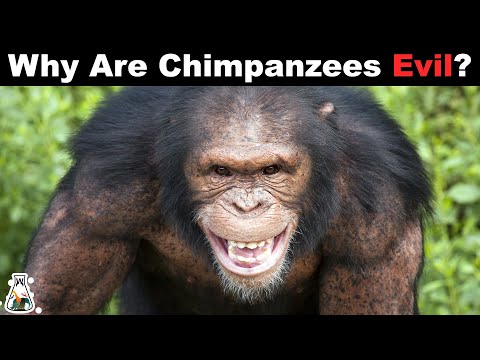
Having a chimpanzee as a pet brings serious risks and challenges. Chimps are strong, wild, and have needs that most homes just can’t handle.
Dangers to Humans and Safety Risks
Chimpanzees are way stronger than humans—sometimes about four times as strong. That means even if they’re just playing rough, you could get seriously hurt.
If a chimp gets scared or upset, it might bite or hit you out of nowhere.
Most homes aren’t built to keep a chimp safely contained. Without the right space and equipment, chimps can escape or attack.
There are quite a few stories about pet chimps injuring people, sometimes in really awful ways.
On top of that, chimps can carry diseases like Ebola or other nasty infections. Living close to a chimp just ups your risk of catching something dangerous.
Chimpanzee Behavior in Captivity
Chimps just don’t do well as pets. When people keep them in captivity, they start showing weird behaviors—rocking back and forth, pulling out their hair, things like that.
Usually, that happens because they miss being around other chimps.
Chimps need a group to learn how to act normally. If you raise a chimp alone, it’ll likely become stressed and unpredictable.
Their wild instincts don’t go away as they grow up. Even if a young chimp seems friendly, that can change fast.
They need lots of space and mental challenges. Most homes can’t provide that, so behavior problems get worse.
Animal Welfare and Behavioral Concerns
Chimps just can’t thrive in a regular home. They need way more mental and physical activity than your average pet.
Keeping them alone or in tiny cages causes serious stress and health problems.
People in the pet trade often take baby chimps away from their moms, and that really messes with their development. It leaves them traumatized.
Many pet chimps end up lonely and bored, which leads to psychological issues.
Animal welfare experts say chimps need to live in groups and natural environments, not in someone’s house.
If you don’t give them proper care, social time, and space, their well-being suffers. It’s not just about the owner—it’s about the chimp too.
You can find more on the risks and ethics of owning chimps at Is It Safe to Have a Chimpanzee as a Pet? Risks, Laws, and Welfare.
Legal, Ethical, and Practical Realities of Keeping a Chimpanzee

Having a chimpanzee as a pet isn’t just about owning a cool animal. You have to think about strict laws, ethics, and the real-life challenges of caring for such a smart primate.
It’s honestly a complicated choice, and you need to really understand what’s involved.
Federal, State, and Local Laws
Laws about owning chimps are all over the place. Some states ban private ownership completely, while others allow it if you jump through a bunch of hoops.
Federal laws don’t totally ban the sale or purchase of chimps, but local rules often focus on public safety and the welfare of the animals.
For example:
- Lots of places require permits or licenses.
- Some cities don’t allow chimps at all.
- There are laws meant to protect both people and animals from harm.
Lawmakers are pushing for stronger rules, like the Captive Primate Sanctuary Act, which would ban private ownership, sale, and transport of chimps.
That’s a pretty clear sign that people are taking this seriously. You can read up on these laws at LegalClarity on chimpanzee ownership.
Endangered Species Act and Regulations
Since 2015, the Endangered Species Act (ESA) lists chimpanzees as endangered. That means you face much stricter rules if you want to own or trade a chimp.
The law tries to protect chimps from being exploited.
Under the ESA:
- You can’t capture or move chimps without special permission.
- The main goal is to stop people from taking baby chimps from the wild or their mothers.
- Protecting wild populations helps cut down on the pet trade.
This law pushes for better care and aims to stop illegal captures. Baby chimps really need social bonding early on, and taking them away is just cruel.
If you want to know more about how endangered status affects chimps, check out Save the Chimps on pet trade impacts.
Challenges of Long-Term Care and Sanctuaries
Owning a chimp brings a huge commitment. These animals can live up to 50 years, and they need a lot of care.
You’ll need to provide them with big spaces where they can move around. Chimps crave mental stimulation and, honestly, they really need to be around other chimps to stay healthy.
Here’s the thing—finding sanctuaries like Chimp Haven that actually take in pet chimps gets tough when owners can’t manage anymore. Most of these places are already full or have long waiting lists, so choices are limited.
When pet chimps finally make it to a sanctuary, they often have trouble fitting in. They just didn’t get the social learning they needed when they were young.
Some pet chimps end up alone or get sold off to roadside zoos. Sadly, those places rarely meet proper animal welfare standards.
If you’re considering this, be ready for both the financial and emotional toll. A lot of people underestimate how much it really takes. You can find more details at Chimp Haven’s campaign to end private ownership.


