
Ever wondered if chimps and bonobos—those two primates that seem so similar—could actually have a baby together? They share a ton of DNA, sure, but they live in different places and act pretty differently. Here’s the surprising part: chimpanzees and bonobos can actually interbreed and produce offspring, especially in captivity where they’re kept close together.

Even though these two species look alike, their social lives couldn’t be more different. Bonobos usually keep things peaceful and live in matriarchal groups. Chimps, on the other hand, tend to be more aggressive and their societies revolve around males. That makes the idea of them mixing and having babies kind of wild—imagine what their kids would be like!
If you’re curious about how hybrids could happen and what it means for science, let’s dig in. There’s a lot to learn about their genetics, what keeps them apart in the wild, and what might happen if they ever got together.
Can a Chimp and a Bonobo Have a Baby?
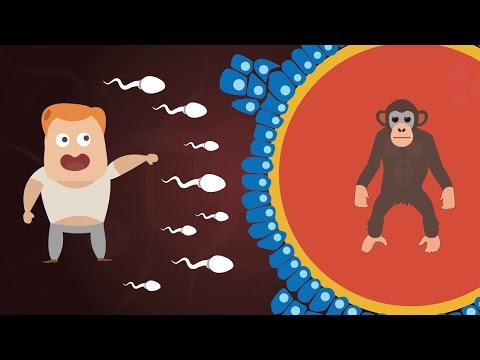
So, can chimps and bonobos really have babies together? The answer isn’t as simple as you might think. It depends a lot on how closely related they are, how their bodies work, and what scientists have figured out so far.
Let’s look at what makes them similar and what happens if they try to mate.
Genetic Differences and Similarities
Chimps and bonobos share about 98-99% of their DNA. Both species came from a common ancestor that lived around 1.5 to 2 million years ago.
Their genetic makeup is super close, but not quite a perfect match.
Some genes actually moved between chimps and bonobos in the past. That hints at real interbreeding, at least a long time ago.
You’ll notice some physical differences, too. Baby bonobos start out with dark faces, while chimp babies have pale pink faces that get darker as they grow. Their bodies are similar in size, but there are little differences that affect how they act.
Reproductive Compatibility
Because their genes match up so well, chimps and bonobos can technically make babies. Their chromosomes line up enough for fertilization to work.
Researchers have seen them mate in captivity. But so far, there’s no solid proof of natural hybrids in the wild.
Their different social lives and behaviors probably keep them from mating outside of captivity.
Physical stuff like mating rituals and social roles also make it tougher for them to get together in nature.
Evidence from Scientific Research
Scientists actually found bonobo genes in some chimp populations. That means there was some mixing way back when.
Studies show that interbreeding was biologically possible at least twice over the last two million years.
But no one has confirmed a hybrid baby in the wild. In captivity, they’ve mated, but successful births are rare and not really well documented.
If you want to go deeper, here’s an article on chimp and bonobo interbreeding.
Key Differences Between Chimpanzees and Bonobos

When you look at how chimpanzees and bonobos evolved and how they act, the differences really stand out. These differences shape how they look and how they live together.
Taxonomy and Evolution
Chimps and bonobos are super close relatives, but they’re different species within the same genus, Pan. They share about 98% of their DNA with humans, too, which is kind of wild.
They split off from each other about 1 to 2 million years ago.
Both species came from a common ancestor. The Congo River split them up and forced them to evolve separately.
That split led to some unique traits in each species. Chimps mostly live in West and Central Africa, while bonobos stick to the south side of the Congo River.
Understanding their taxonomy makes it clearer why they don’t naturally produce hybrid babies. Their evolutionary journeys are similar, but that separation keeps them distinct.
Physical and Behavioral Traits
Bonobos look smaller and slimmer than chimpanzees. Female bonobos, for instance, usually weigh about 74 pounds, while female chimps tip the scales closer to 93 pounds.
You’ll notice bonobos have longer legs and this neat part in the hair on their heads. Their faces are black, but their lips are pink.
When it comes to behavior, bonobos really stand out for their peaceful, matriarchal groups. Females call the shots.
Bonobos often use social bonding—and sometimes sexual behaviors—to smooth things over and keep the peace.
Chimpanzees, though, act pretty differently. Males tend to dominate, and their groups can get aggressive.
Chimps settle disputes with displays of strength or outright confrontation. Their diet mostly sticks to fruit.
Bonobos eat more leaves and flowers, which is a nice little twist.
If you’re curious, these differences shape how each species interacts and survives out there. For a deeper dive, check out this chimpanzees vs bonobos comparison.


