
If you’ve ever wondered about the IQ of a chimpanzee, you’re not alone. People often expect a neat number, but honestly, it’s complicated.
Most estimates put a chimpanzee’s IQ somewhere between 40 and 60—about the same as a 3 to 4-year-old human child. So, they’re pretty clever, though they definitely don’t think just like us.

You can really see their smarts in how they use tools, figure things out, and interact with each other. Their brain size and the world they live in both shape the way they think.
If you’re curious about how chimps stack up against humans and other animals, or why their IQ even matters, stick around. You might be surprised by the ways these animals show off their intelligence—and what that means for how we think about animal minds.
IQ of a Chimpanzee: How Is It Measured?
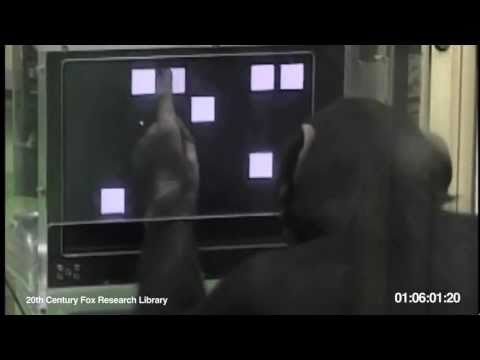
Measuring a chimpanzee’s IQ isn’t straightforward. Most IQ tests are designed for humans, so researchers have to get creative.
They compare behaviors, brain size, and how well chimps solve problems to get a sense of their intelligence.
Estimated IQ Range for Chimpanzees
Scientists usually estimate chimpanzee IQ to land between 35 and 60. That’s similar to a young child, maybe three or four years old.
Some research points to a wider range, anywhere from 20 up to 90, depending on the test and the chimp.
They base these numbers on how chimps solve problems, use tools, and pick up new skills from others. Chimps do things like crack nuts or use sticks to fish for termites, which shows they’re thinking beyond just instinct.
If you want to dive deeper, there’s detailed research out there on how chimps measure up in different cognitive skills.
Limitations of Human-Based IQ Tests on Apes
Human IQ tests just don’t fit chimpanzees very well. These tests focus on language, math, and abstract thinking—stuff chimps don’t do the same way we do.
So, giving them a straight IQ test isn’t really fair and can be misleading. You’ll see a lot of variation in scores because the tests don’t reflect how chimps actually think.
Researchers look at things like memory, social learning, and creative tool use instead. This approach makes more sense for understanding what chimp intelligence really looks like.
Comparison of Chimpanzee and Human Intelligence
Chimpanzees share about 98% of their DNA with us, which explains why they seem so familiar in some ways.
Their brains are about 60% the size of ours. Even so, they can solve puzzles and remember things pretty quickly.
They don’t develop language or abstract reasoning like people do, though. Think of their intelligence as similar to a young child’s, especially when it comes to learning by watching or adapting to new situations.
Their social smarts and ability to feel empathy really stand out, too.
If you’re interested, there’s more research on how chimps’ brains and social skills compare to ours.
Unique Intelligence and Cognitive Abilities of Chimpanzees

Chimpanzees use their intelligence to survive and connect with each other in surprisingly complex ways. You can watch them solve problems, communicate, learn from their group, and even show emotions and self-awareness.
Problem-Solving and Tool Use
Chimpanzees know how to get creative when solving problems. They’ll grab sticks to fish for termites or use rocks to crack open nuts.
These skills show they can plan and understand cause and effect, which is honestly impressive.
You might see them change tools to fit the job—like stripping leaves off a branch to make it better for termite fishing. That’s flexible thinking in action.
Researchers measure their problem-solving by watching how they adapt tools for new challenges. It’s clear their intelligence is practical and helps them in the wild.
Social Intelligence and Communication
Chimps have strong social skills. They use facial expressions, gestures, and different sounds to communicate.
This helps them work together, avoid fights, and figure out who’s friendly or not in their group.
They remember social ranks and build relationships, which is a huge part of their daily life.
Chimps can also sense what others might feel or intend to do. This “theory of mind” skill is pretty rare among animals.
Learning Processes and Cultural Behaviors
Young chimps learn a ton just by watching adults. They copy how to use tools or find food.
Different groups of chimps actually have their own traditions—like unique ways of using tools or hunting.
These cultural habits can stick around for generations. It’s wild to think their intelligence isn’t just in their genes, but shaped by what they experience and learn from others.
Emotional and Self-Awareness Capacities
Chimpanzees actually notice their own feelings, and they pick up on what others are going through too. They show joy, anger, and, honestly, even grief.
Sometimes you’ll catch them comforting a friend or reacting to a loss. It’s kind of touching to watch.
Researchers have given them mirror tests, and chimps recognize themselves. That proves they’ve got a bit of self-awareness.
They realize they’re separate from everyone else. You can tell they think about their own actions, which is pretty wild if you think about it.
Their emotional intelligence really helps them build strong social bonds. Navigating group life in the wild isn’t easy, but chimps seem to handle it well.


