
Ever wondered if chimps are actually more violent than gorillas? You’re definitely not the only one. Both apes are strong and impressive, but honestly, their behavior couldn’t be more different.
Chimps usually act way more aggressive, and they don’t shy away from violence. Gorillas, meanwhile, tend to keep calm and steer clear of fights whenever they can.

If you understand why they act like this, you start to see how their lives and social circles shape their choices. Chimps hang out in bigger, more competitive groups, so conflict pops up a lot. Gorillas stick to smaller families, usually led by one chill leader.
This difference isn’t just fascinating—it says a lot about how animals adapt to their world and what they need socially. Curious about what drives these behaviors and what they mean for each ape? Let’s dig in.
Chimpanzee and Gorilla Aggression Compared
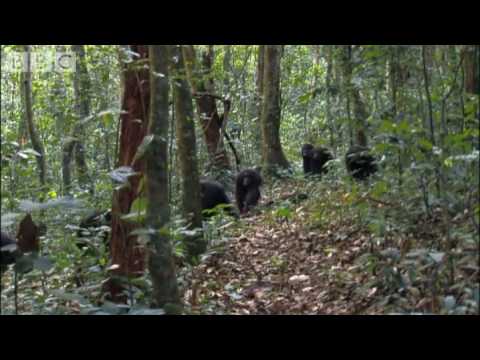
You’ll see chimps and gorillas handle anger and fights in their own ways. Their daily habits, group life, and even their home turf all play a big role in how often and how intensely they get aggressive.
Types of Aggressive Behaviors Observed
Chimps don’t really hide their aggression. They might bite, slap, or toss things during arguments with others. Sometimes, they even grab sticks or rocks to use as weapons.
That makes their aggression pretty fast and, honestly, a bit brutal at times.
Gorillas take a different approach. They show off their strength with chest beating and loud roars. Actual fighting? It’s rare, and usually only happens when the silverback steps in to protect his family.
So, chimps settle disputes with violence more often, while gorillas prefer to warn and intimidate rather than actually fight.
Social Structures and Their Role in Conflict
Chimp groups get pretty big and can change a lot. Friendships and rivalries shift around, so fights break out as chimps try to climb the ranks or win over mates.
Gorilla groups feel smaller and more settled. One big silverback runs the show, keeping everyone in line and stopping most fights before they start.
How the group works really affects how much aggression you’ll see. Bigger, messier chimp groups just seem to stir up more drama than the gorilla families do.
Recorded Interactions at Loango National Park
At Loango National Park, researchers have actually watched chimps and gorillas clash. Sometimes, these run-ins turn into fights—usually over food or territory.
Chimps like to team up and move fast, hoping to overwhelm the gorillas. Gorillas, though, count on their size and power to hold their ground.
Most of these fights end quickly, since both sides really want to avoid getting hurt.
Watching these encounters gives us a window into how both species balance aggression with caution. It highlights how their survival strategies and natural behaviors play out in the wild.
You can check out more about these behaviors by looking at the studies from places like Loango National Park.
Factors Influencing Violence in Great Apes

Violence in great apes depends a lot on where they live, what challenges they face, and how humans might interact with them. Different kinds of gorillas behave in their own ways, and things like trekking tours can add stress or change aggression levels.
Habitat Differences and Resource Competition
Where these apes live really changes how often they fight. Chimps usually hang out in forests where fruit and small animals can be tough to find. When food runs low, chimps compete harder, and that leads to more fights.
Gorillas mostly munch on leaves and plants, which are easier to find. Since food is everywhere, they don’t need to fight much over it.
Chimps live in bigger groups, which means more competition for territory and mates. Gorillas stick with smaller groups, and the silverback keeps things peaceful.
Key differences at a glance:
| Factor | Chimps | Gorillas |
|---|---|---|
| Group size | Large, changing groups | Small, stable groups |
| Diet | Fruit, insects, meat (scarce) | Mostly leaves, fruit (plentiful) |
| Resource competition | High | Low |
| Violence frequency | More frequent | Less frequent |
Species Variations: Eastern, Western, and Mountain Gorillas
Not every gorilla acts the same way. Eastern gorillas, including mountain gorillas, live in cooler mountain forests. Their groups stay stable, with one silverback calling the shots, so fights barely happen.
Western gorillas live in lowland forests and sometimes face more competition because their habitat is shrinking. Still, even western gorillas act pretty chill compared to chimps.
Mountain gorillas draw a lot of attention from gorilla trekking tours, where people can watch their peaceful lives up close. As long as everyone follows the rules, these visits haven’t made them more aggressive.
Knowing these differences helps you see why some gorillas seem calmer than others, depending on their home and group life.
Impact of Trekking and Human Observation
Gorilla trekking and chimpanzee trekking bring people right up close to these animals. That kind of contact can shape how they act.
Gorillas usually stay pretty calm when visitors show up. The silverback sets the tone for the group, and if folks give them space and stick to the rules, they mostly just ignore the humans.
Chimpanzees react differently. Sometimes, they seem to feel like their territory’s at risk, which can crank up the tension and even trigger some aggression.
You might notice them getting loud or even breaking into little scuffles when they’re stressed out. They’re just more reactive, honestly.
When people bring noise or cause habitat loss, both gorillas and chimps can get more stressed, and that stress sometimes boils over into aggression. It really makes you wonder—are we helping or just making things tougher for them?
If you keep your distance and move quietly, you’ll help both species stay relaxed. That’s honestly the least we can do while we’re in their home.


