
People often say chimpanzees are still evolving into humans. It’s a pretty common idea, especially since chimps are our closest living relatives.
But let’s clear this up: chimpanzees aren’t evolving into humans. Both species came from a shared ancestor millions of years ago. Since then, we’ve each gone our separate ways.

Evolution doesn’t mean one species just turns into another that’s already here. It’s more about how different species change over time to survive.
Chimps keep evolving, but they’re doing it in ways that fit their own lives—not by becoming more like us.
If you’re curious about how evolution actually works, or why chimps aren’t just “unfinished humans,” stick around. There’s a lot to unpack about our shared history and how both species adapted in their own ways.
Are Chimpanzees Still Evolving Into Humans?
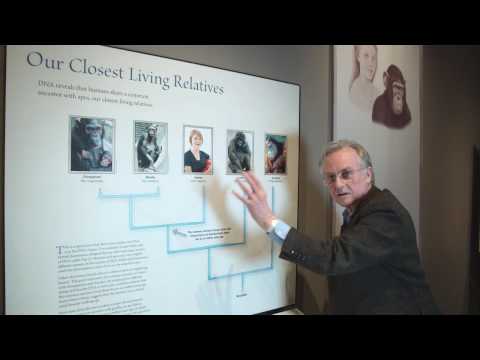
People sometimes say chimpanzees are slowly turning into humans. That idea pops up a lot, but it doesn’t really match how evolution works.
Humans and chimps started down different paths a long time ago from a shared ancestor.
Common Misconceptions About Human and Chimpanzee Evolution
Some folks think chimpanzees are just older versions of us, or that they’ll become human someday. That’s not how it goes.
Chimps are their own species. They’ve been evolving on their own, just like we have.
Evolution isn’t about one animal turning straight into another. Both humans and chimps keep changing to fit their own environments.
So, chimps aren’t “unfinished humans.” They’re just different animals who happen to share some similarities with us.
How Evolution Works: Separate Lineages Explained
Think of evolution more like a branching tree, not a ladder. Humans and chimps both came from a common ancestor millions of years ago.
From there, the groups split. Each one changed in its own direction.
Chimps aren’t becoming humans; they’re changing to survive in their world.
Evolution happens to every living thing, but it doesn’t try to make humans or any specific animal. It’s all about adapting to what’s around right now.
Shared Ancestry Between Humans and Chimpanzees
You share almost 99% of your DNA with chimps. That’s a lot in common, genetically speaking.
But that doesn’t mean one species came from the other.
Roughly 6 to 8 million years ago, a species existed that both humans and chimps came from. Since then, each group evolved differently, depending on what helped them survive and have babies.
This shared ancestry explains why we have some similar biology and behaviors. At the same time, it shows we’re really different species, each on our own path.
If you want to dig deeper, you can check out more about chimpanzee evolution.
Modern Evolution in Chimpanzees
Chimps are still changing, even if it’s in small ways. Most of these changes happen in their genes or through their behavior.
You’ll notice these changes help them survive in their environments and deal with new challenges.
Evidence of Ongoing Evolution in Chimpanzees
Chimpanzees show evolution through changes in their genes. Some groups have genes that help them resist local diseases or digest certain foods better.
Their bodies really do adjust to what’s happening around them.
Scientists look at chimp DNA to find these changes. They see differences between groups that live far apart.
These changes might seem tiny, but over many generations, they add up.
Chimps also change how they behave. For example, some have figured out new ways to use tools, like using sticks to fish for termites.
These new behaviors show chimps can adapt culturally too, which is part of their evolution.
Factors Influencing Chimpanzee Evolution Today
The world around chimps really shapes how they change over time. Shifting climates, food shortages, and new animal threats keep pushing them to adapt.
If their favorite foods run out, chimps might start experimenting with what they eat. Sometimes they get creative and hone new hunting tricks. That can shake up which chimps survive and pass on their traits.
People have a big impact too—when humans destroy forests, chimps lose their homes. They end up dealing with unfamiliar challenges and have to figure out how to get by.
It’s kind of fascinating, honestly. Chimps aren’t evolving to become more like humans. They’re just adapting in ways that make sense for their own lives.
| Factor | Example | Effect on Evolution |
|---|---|---|
| Disease | Genes for infection resistance | Helps populations survive local illnesses |
| Food availability | New tool use for gathering food | Supports feeding in changing environments |
| Human impact | Habitat destruction | Forces adaptation to new living areas |


