
Ever wondered if chimps have actually talked like us? Well, the short answer’s no—chimps can’t really speak words or sentences the way people do. Their vocal cords and brains just aren’t built for clear speech, so even though a few chimps might mimic sounds, real talking is out of reach for them.

But that doesn’t mean chimps can’t communicate at all. They use a mix of sounds, gestures, and sometimes even sign language to share ideas.
This way of communicating is pretty rich and meaningful, just really different from the way we talk.
When you look at what chimps can and can’t do with language, you start to see how human speech might’ve first developed. It’s honestly fascinating—a peek into their world and ours.
Chimps trying to talk have led to some pretty interesting stories and experiments. If you’re curious, there’s a lot of research out there about chimps and how they use their voices.
Can Chimps Really Talk Like Humans?
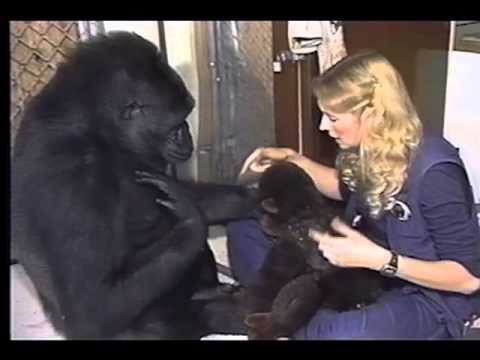
So, can chimps actually speak like us? Scientists have watched chimps try to say human words, compared their sounds to ours, and studied how close their “speech” comes to ours.
Documented Cases of Chimpanzees Attempting Human Words
A few chimps raised by humans have tried to say simple words. There’s that famous case where a chimp managed to say things like “mama”, “papa”, and “cup.”
These aren’t just random noises—they really do sound like attempts to copy real words. Researchers have found videos where chimps repeat words like “papa” or clearly say “mama.”
But these moments are rare and usually only happen with lots of human interaction and training. If you watch these clips, you’ll see chimps can try to mimic speech, but they never really speak naturally like we do.
Scientific Analysis of Chimpanzee Utterances
When scientists dig into chimp sounds, they spot patterns that kind of look like early human speech. For example, chimps can make syllable-like sounds, such as “ma-ma.”
These aren’t just simple calls—they’ve got a structure that feels a little like words. Some studies even asked people who’d never worked with chimps to listen to recordings.
A lot of them recognized the sounds as word-like, which is pretty surprising. So, chimps do have some brain and vocal ability to make basic speech sounds, but only in special situations.
Still, their vocal cords and brains work differently from ours, so there’s a limit to what they can do.
Comparing Chimp Speech With Human Speech
Chimp speech looks really different from ours, but there are a few similarities. For example:
| Aspect | Chimps | Humans |
|---|---|---|
| Vocal range | Limited sounds and tones | Wide range of speech sounds |
| Word formation | Attempt simple syllables | Complex words and sentences |
| Communication style | Gestures plus sounds | Mainly speech and gestures |
| Turn-taking in talk | Yes, similar fast exchanges | Yes, natural conversations |
Chimps use gestures and sounds quickly in back-and-forth exchanges, which feels a bit like how we chat. Their “speech” is short and simple, though.
Our ability to speak in full sentences leaves chimps way behind, but honestly, they’re closer to us than you might expect.
If you want to dive deeper, check out some studies on chimp speech abilities.
Exploring Chimp Vocal Abilities and What Sets Us Apart

Chimps make all sorts of sounds to communicate, but their voices just don’t work like ours. Their vocal system has limits, and the way they learn and use sounds depends a lot on training and their environment.
All of this shapes how chimps express themselves and how close they can get to human language.
Limitations of Ape Vocal Production
Your voice depends on your vocal cords, lips, tongue, and brain control. Chimps have shorter vocal cords and a higher larynx than we do.
This gives them fewer sounds to work with, and they can’t change pitch as easily. Their lips and tongue aren’t as flexible as ours, so it’s really tough for them to shape clear speech sounds.
That’s why words and sentences are almost impossible for them.
- Some key limits to keep in mind:
- Shorter vocal cords mean less sound range.
- Higher larynx limits how many sounds they can make.
- Less flexible lips and tongue make speech clarity really tough.
Even so, chimps use grunts, hoots, and other noises to share ideas. Their vocal system works for their lives, but it keeps them from speaking like us.
How Training and Environment Influence Chimp Communication
When you teach chimps, they sometimes manage to copy a few sounds—like “mama” or “papa.” They can mimic noises, but they don’t really create actual words.
People have trained chimps like Washoe to use sign language, which lets them express ideas in a different way. It’s pretty clear they get the basic idea of communication, even if their voices just can’t make human speech.
The environment makes a big difference too. Chimps in captivity hear human voices and sounds constantly, so they get way more chances to imitate what they hear.
Wild chimps, on the other hand, mix their calls in ways that almost feel like early language patterns. Still, they never quite form sentences.
Honestly, the way chimps communicate—whether through sounds or signs—depends a lot on what they learn and where they live. If you’re curious, you can check out some studies on chimpanzee utterances and vocal development.


