
Chimpanzees definitely get aggressive, though it’s not like they’re always picking fights. Most of the time, they get aggressive when they’re protecting their territory, competing for mates, or defending their family.
Honestly, they spend a lot of their day just playing, grooming, or relaxing with their group.

It might surprise you, but chimp aggression usually connects to survival or keeping social order. They aren’t just violent for no reason.
Once you start to understand what drives chimps to act this way, their world makes a bit more sense. It even sheds light on some human behaviors, if you think about it.
Aggression in Chimpanzees: Nature, Triggers, and Patterns
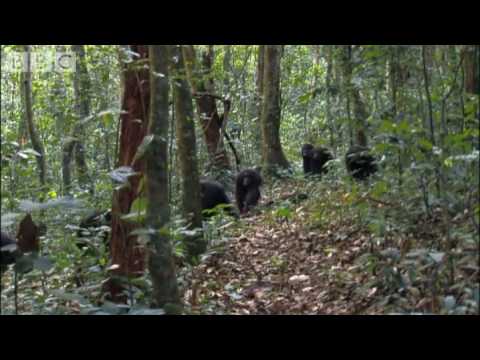
You’ll notice chimpanzee aggression shows up in lots of ways, and for all sorts of reasons.
If you get a sense of how and why chimps show aggression, their social lives start to look a lot clearer. Plus, it’s interesting to see how their behavior shifts between wild and captive environments.
Types of Aggressive Behavior in Chimpanzees
Chimps express aggression with everything from small threats to full-on fights.
You might hear loud screams or hoots, or spot them baring their teeth or staring hard to warn others.
Physical aggression? That can mean hitting, biting, or chasing. Sometimes, fights even turn deadly, especially when groups clash.
Male chimps usually lead these more serious fights, mostly to protect their turf or win over mates.
Sometimes you’ll see them charge or drum on trees. These displays warn rivals without anyone getting hurt.
So, chimps mix signals and action—aggression isn’t always about violence, but it’s pretty woven into their social scene.
Causes and Triggers of Aggression
Most of the time, aggression starts with competition.
Fights break out over territory, food, or mates. Males especially use aggression to keep their rank or defend their group.
When a big group splits into smaller ones, things can get ugly. Former friends might even attack each other.
Stress and not enough resources can also spark aggression. If food’s scarce, tempers flare.
Strangers wandering into a group’s territory or weakened social bonds can set off fights too.
Weapon Use and Social Hierarchies
Chimps don’t really use tools as weapons in fights, but their strength and teeth do plenty of damage.
They form coalitions—a few males teaming up to attack rivals or guard their turf.
Social rank matters a lot. Higher-ranked males get more chances to mate and usually hold onto their spot by fighting or making alliances.
Grooming and friendships help build those alliances.
If you pay attention, you’ll spot that cooperative aggression is actually a big part of how chimps keep or gain dominance.
Group attacks on outsiders or rivals can mean more territory or better access to food and females.
Differences Between Wild and Captive Chimpanzee Aggression
Wild chimps mostly show aggression over space or territory. They patrol borders, and sometimes, they even kill rivals from other groups.
Captive chimps, on the other hand, get aggressive because they’re stuck in close quarters, bored, or fighting over food and attention.
Wild chimps can usually walk away from a fight or avoid trouble. Captive ones don’t have that option, so their aggression can look more intense.
The Jane Goodall Institute has spent years studying wild chimps. Their research really highlights how much natural behavior changes when chimps live in more artificial settings.
Chimpanzee Aggression Compared: Humans, Bonobos, and Other Apes

You’ll find that chimpanzees share some aggressive traits with humans and other apes, but their social structures and environments shape their behavior in unique ways.
It’s pretty fascinating to see how their aggression stacks up against humans, bonobos, and gorillas. Some famous stories, especially from places like Uganda, show how humans and chimps interact.
Chimpanzees vs. Humans: Genetic and Behavioral Similarities
Chimps and humans share almost 98-99% of their DNA. That probably explains a lot of the behavioral overlap, even when it comes to aggression.
Humans usually show more proactive aggression—that’s the planned, strategic kind. Chimps, though, mostly act out reactive aggression, which just happens in the heat of the moment.
Chimps don’t really plan wars, but they do work together to attack rival groups. That’s just part of their natural behavior, not something humans taught them.
When you think about it, human conflict involves a lot of emotions and rules. For chimps, aggression usually just fits the group’s immediate needs, like keeping territory or status.
Aggression in Bonobos and Gorillas
People call bonobos the peaceful cousins of chimps, but recent studies suggest male bonobos can actually be more physically aggressive than male chimps.
Gorillas, meanwhile, avoid lethal aggression most of the time. They use their strength for show or to protect their families.
Here’s a quick comparison:
| Species | Type of Aggression | Typical Purpose |
|---|---|---|
| Chimpanzees | Reactive, coordinated group attacks | Territory defense, social rank |
| Bonobos | Frequent physical aggression | Social dominance, coalition power |
| Gorillas | Rarely lethal, mainly displays | Family protection, show strength |
These differences really come down to their social systems.
Bonobos rely on coalitions a lot, which can actually make things more aggressive. Gorillas stick to stable groups, so there’s less fighting overall.
Notable Cases: Attacks in Uganda and Human Interactions
Uganda has seen some pretty well-documented cases of chimpanzee aggression. Researchers at the Jane Goodall Institute and others have actually watched chimp groups coordinate attacks that go on for years.
Chimpanzees sometimes kill rivals to control territory. That’s just part of their natural behavior, not something humans directly cause.
You might wonder if things like logging or farming make chimps more aggressive. Even though humans do change chimpanzee habitats, recent studies haven’t found a clear link between habitat disruption and more attacks.
Still, it probably doesn’t hurt to respect their space. Giving chimps room can help avoid conflicts between species.


