
People love to tell wild stories or make movies where humans and chimpanzees somehow have babies together. Sure, it’s intriguing, but the science behind it is way more complicated than those tales suggest.
Humans and chimpanzees can’t breed because their chromosomes don’t match up, and their DNA just doesn’t fit together in the right ways.

Your genes are super close to a chimpanzee’s—about 98 to 99 percent similar. But those little differences? They matter a lot when it comes to making babies.
Chromosomes need to pair up perfectly during reproduction. Humans have 23 pairs, chimps have 24, so their cells just can’t combine to make a viable embryo.
This mismatch stops hybrids from developing at all. Nature really draws a hard line here, no matter how much biology we share with chimps.
If you’re curious about the details, let’s dig in a bit deeper.
Genetic and Biological Barriers Preventing Chimpanzee-Human Breeding

Ever wonder why, even though humans and chimps are so closely related, they can’t have babies together? The answer comes down to chromosomes, DNA, and how our reproductive systems work.
These factors basically make it impossible for natural breeding or viable offspring to happen.
Chromosome Differences
Humans have 46 chromosomes. Chimps? They’ve got 48.
At some point, two ancestral chimp chromosomes fused to make human chromosome 2. That’s a pretty big deal for reproduction.
When chromosomes can’t pair up, the fertilized egg just doesn’t develop. That mismatch is a huge barrier right there.
People have tried artificial insemination in the past, but no “humanzee” has ever come from it.
It’s not just the number; the structure of the chromosomes—like inversions and translocations—causes more problems. These changes mess with how genes get passed on and make hybrid embryos almost impossible.
DNA Sequence Divergence
You share about 98-99% of your DNA with chimps, but those little differences add up. They change how genes work and when they turn on or off.
Humans and chimps have different versions of some pretty important genes, like those for brain development and immunity. Even the way our genes switch on and off isn’t quite the same.
So, if fertilization somehow happened, the embryo’s cells wouldn’t play nicely together. That DNA divergence keeps our species apart and stops hybrids from developing.
Reproductive Incompatibilities
Your reproductive system is set up for humans. Sperm and egg compatibility between humans and chimps just isn’t there.
Even if, by some miracle, fertilization happened, the embryo would probably stop developing because of genetic imbalances.
Scientists tried using human sperm with chimp eggs, but it never led to pregnancy.
Hormones, timing, and even immune responses in the womb all add extra barriers. These act like safety checks, making sure cross-species embryos don’t grow.
Exploring the Chimpanzee-Human Relationship and Hybrid Myths
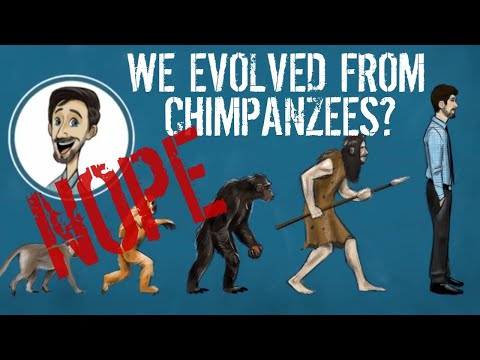
Humans and chimpanzees connect through a common ancestor, but that doesn’t mean they can make babies together. Animals sometimes crossbreed, but the idea of a human-chimp hybrid hits too many scientific roadblocks.
Common Ancestry and Evolutionary Split
You and chimps share a common ancestor from about 5 to 7 million years ago. That’s why your DNA is so similar—up to 99%.
But over time, even small differences stack up. Chromosomes are a big part of that story.
Humans have 46 chromosomes in 23 pairs. Chimps have 48 in 24 pairs. That’s mostly because human chromosome 2 is actually two ape chromosomes stuck together.
These genetic shifts mean our bodies work differently. That evolutionary split makes human-chimp reproduction impossible.
Hybridization in the Animal Kingdom
Some animals can hybridize, like mules (a horse and a donkey mix). They’re only possible because their parents’ chromosomes aren’t too different.
Mules usually can’t have babies themselves, but they do exist.
To make a hybrid, the chromosomes from both parents have to line up just right. Humans and chimps have different numbers and structures, so fertilized eggs don’t develop.
Other species can hybridize when their DNA differences are minor. But for humans and chimps, those gaps are just too wide.
The Humanzee Myth and Scientific Evidence
Maybe you’ve heard those wild stories about the “humanzee”—a supposed mix between a human and a chimp. The rumors really kicked off with Soviet scientist Ilya Ivanov back in the 1920s.
But, let’s be real, there’s never been any solid proof that he actually made a hybrid.
Scientists have tossed around a few reasons why humanzee hybrids just don’t happen. The main one? Chromosome mismatches usually make embryos fail super early on.
Remember Oliver, that famous chimp some people thought was a hybrid? DNA tests eventually showed he was just a regular chimp, nothing more.
Honestly, the idea of creating these hybrids brings up some pretty serious ethical issues, both for humans and animals. That’s a big reason why strict rules block this kind of research.
If you’re curious about the science behind why chimpanzees and humans can’t breed, check out some detailed studies here: why chimpanzees can’t breed with humans.


