
Ever wondered who’s more aggressive—a chimp or a gorilla? The answer might catch you off guard. Chimps usually act more aggressively than gorillas, often using violence to settle arguments or compete inside their groups. Gorillas, though, tend to lean on their size and strength to avoid fights. Most of the time, they stay calm unless they need to protect their family.

When you look at how gorillas and chimpanzees behave, you’ll notice they handle aggression in totally different ways. Chimps live in big, shifting groups where social fights break out pretty often.
Gorillas stick to smaller, steadier groups led by one silverback who keeps things in line, often without much drama.
There’s more to gorillas versus chimps than just aggression. Their size, social lives, and even how they use tools all shape how they act around each other and in the wild.
Getting to know these differences gives you a better sense of what makes each of these great apes stand out.
Aggressiveness in Chimpanzees vs Gorillas
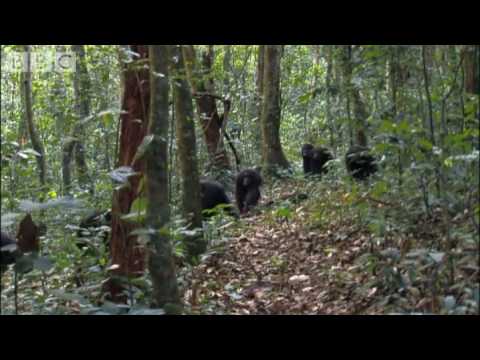
You might think the bigger animal always acts tougher, but that’s not how it works here. The way chimps and gorillas show aggression has more to do with their size, habits, and social lives.
Their fighting skills, anger displays, and group rules all play into how often they get into it.
Physical Strength and Combat Abilities
Gorillas—especially mountain gorillas—are way bigger and stronger than chimps. A big male silverback can tip the scales at 450 pounds, and his powerful muscles help him keep his group safe.
Gorillas use their strength to avoid fights, relying on chest beats and loud noises to scare off anyone who might mess with them.
Chimps, on the other hand, are smaller. An adult male chimp weighs about 150 pounds, but he makes up for it with speed and quick moves.
Chimps bite hard and don’t hesitate to grab sticks or rocks to use as weapons. This clever tool use makes chimps dangerous up close, even if they can’t match a gorilla’s strength.
| Animal | Weight (Male) | Strength | Combat Style |
|---|---|---|---|
| Gorilla | Up to 450 lbs | Very strong, muscular | Chest-beating, intimidation |
| Chimpanzee | About 150 lbs | Fast and agile | Biting, hitting, weapon use |
Patterns of Aggressive Behavior
Chimps show their aggression more openly than gorillas do. They often settle fights over food, mates, or status with violence.
You’ll see chimps biting, slapping, or tossing things when they get mad. Their big, complicated groups mean these scuffles break out a lot.
Gorillas prefer to steer clear of conflict. When they do get aggressive, it’s usually because they’re protecting their family.
Mountain gorillas show off with loud chest thumps and charging, but they rarely get into real fights. This approach keeps things from getting too violent.
Chimps react fast in tense moments, while gorillas mostly try to scare off trouble without getting physical.
Social Structure and Group Dynamics
Chimp groups are big and pretty complicated. You have to keep an eye on shifting alliances because friendships change all the time.
Aggression matters here—it helps chimps move up or hold onto their spot in the group. That means life in a chimp troop can get pretty tense, with lots of small fights flaring up.
Gorilla groups are smaller and have one dominant silverback leading the way. He handles protection and keeps the peace.
That strong leader makes gorilla groups calmer overall. His size and presence often stop fights before they even start.
These differences explain why chimps lean on aggression more, while gorillas count on leadership and muscle to keep things chill.
If you want to dig deeper into how chimps and gorillas act in the wild, check out knowanimals.com.
Factors Influencing Aggression Among Great Apes

Aggression in great apes really depends on where they live and what they’re up against. Stuff like fighting for food or space can push some apes to act more aggressively.
Changes humans make to the environment also have a big impact on how these animals behave.
Role of Habitat and Environment
The environment shapes how aggressive great apes get. In places where food runs short or territories overlap, chimps often fight more to protect what’s theirs.
Different apes handle stress from their habitats in their own ways. Chimps get more aggressive when they’re competing for mates or land.
Gorillas usually keep quiet unless their group faces a threat.
The way their home is laid out—like how thick the forest is or how far apart food is—can make fights more or less likely.
Understanding this helps explain why some apes have more aggressive moments depending on where they live.
Impact of Habitat Loss on Behavior
When people cut down forests, they take away places where great apes live and find food.
This loss pushes apes into smaller spaces, and that creates more competition. You’ll often see more aggressive behavior because they have to fight over what’s left.
Losing their habitat also brings apes closer to humans. They might start searching farms for food, or just try to protect what little home they have left.
These run-ins with people can stress the apes out and sometimes lead to more aggression.
If we protect ape habitats, we can help avoid a lot of those problems. Anyone who cares about great apes should understand how losing their homes changes the way they act.
It’s honestly a big reason why saving their habitats matters—not just for apes, but for everyone who lives nearby.
For more on how habitat changes affect apes, check out this detailed discussion about human impact on ape behavior.


