
If you’ve ever wondered whether chimps are more aggressive than gorillas, well, yeah—they are. Chimpanzees tend to be more aggressive because they often use violence to settle disputes and compete for social status.
Gorillas usually avoid fights and rely on their size to intimidate instead of attacking.

So, why do these close relatives act so differently? It mostly comes down to their lifestyles and how they interact in the wild.
Chimps have complex social groups full of rivalries and shifting alliances, which leads to more frequent aggressive behavior.
Gorillas live in tight family groups led by a strong silverback, and that helps keep things calm.
When you look at these differences, you get a clearer picture of how these apes handle conflicts and defend their space.
Their strength, social life, and environment all play a role in shaping their behavior.
Aggression and Social Behavior Compared
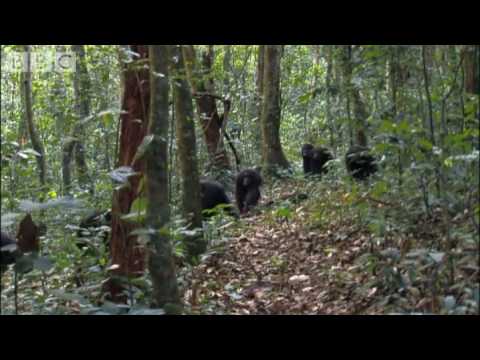
You’ll spot big differences in how chimps and gorillas show aggression. Chimps get physical and jump into fights quickly, while gorillas mostly use displays and their size to avoid real clashes.
Their social groups influence a lot of this behavior.
Aggressive Tendencies in Chimps vs Gorillas
Chimps act more aggressively than gorillas in daily life. When food or social rank is on the line, chimps don’t hesitate to hit, bite, or even use sticks and rocks as weapons.
Their fights happen pretty often because they live in large, unstable groups.
Gorillas are much bigger and stronger, but they usually keep calm. They’d rather avoid fights by showing off with chest-beating and loud noises.
When they get aggressive, it’s mostly to protect family members from threats. You’re more likely to see gorillas using intimidation than real violence.
Social Hierarchies and Group Dynamics
Chimpanzees live in large groups where alliances shift all the time. You really have to watch who’s friends or rivals because social rank matters a lot.
Aggression helps chimps climb the social ladder or stay on top, so tensions and fights happen often.
Gorilla groups are smaller and more stable. One strong silverback leads the group and keeps the peace, mainly through his size and presence.
Members don’t compete openly like chimps do. The silverback steps in and solves problems before they turn into fights, which helps everyone stay calm.
Use of Intelligence and Tools in Conflicts
Chimps show off their smarts and creativity with tools during conflicts. You might catch them fishing for termites or breaking nuts, and in fights, they’ll use sticks or stones as weapons.
This makes their aggression more effective.
Gorillas are intelligent too, but they don’t really use tools for conflict. They depend on their strength and use displays, like chest-beating, to scare off troublemakers.
That usually keeps conflicts short and avoids serious fights.
If you ever visit places like Loango National Park, you can actually see how these traits help chimps and gorillas survive and interact in the wild.
For more on chimp and gorilla behavior, there are some fascinating studies out there on primate aggression and social structure.
Physical Traits, Habitats, and Environmental Pressures

You’ll notice some pretty major differences between chimps and gorillas when it comes to how they look, where they live, and what challenges they face.
Their size, strength, and homes all affect how they behave and survive in the wild.
Differences in Size, Strength, and Adaptations
Gorillas are way bigger and stronger than chimps. A male mountain gorilla can weigh up to 450 pounds, while an adult male chimp usually tops out around 150 pounds.
Gorillas have broad chests and massive muscles, which give them a ton of power on the ground.
Chimps, on the other hand, are smaller but super quick and agile. Their lean bodies help them climb trees and move through the forest canopy fast.
They also use their intelligence to handle tools and get food.
You’ll often see gorillas relying on their strength to keep safe. Chimps depend on speed, clever moves, and sometimes even using sticks or rocks as tools.
These physical traits really shape how each species deals with threats and lives in their environment.
Habitats and Geographic Range
Mountain gorillas mainly live in dense, cool forests high up in places like the Virunga Mountains. They stick to these mountain areas and spend most of their time on the ground.
Their environment is pretty limited, which brings its own set of challenges.
Chimps live in a wider range of tropical forests and savannas across West and Central Africa. They spend lots of time in trees, building nests to sleep in.
This tree habitat gives chimps protection and food, but it also means they need quick climbing skills.
Both gorillas and chimps need thick forests for shelter and food. But their lifestyles are different: gorillas stick to smaller groups on the ground, while chimps live in larger, more complex groups in trees and on the ground.
Impact of Habitat Loss and Poaching
Habitat loss really hits gorillas and chimps where it hurts. Farming, logging, and new towns keep eating away at the forests they need.
As these forests shrink, both animals end up scrambling for food and safe places. It’s honestly tough to watch.
Mountain gorillas feel the pressure even more. They only live in small patches like the Virunga Mountains.
When they lose even a bit of that land, it gets way harder for them to survive or dodge danger.
Poaching also puts both species in serious trouble. People sometimes hunt them illegally, which breaks up their social groups and drops their numbers.
If we want chimps and gorillas to stay safe, we have to protect forest lands and crack down on poaching. When their homes vanish, their odds of making it plummet.
Want to dig deeper? Check out detailed guides on chimpanzee and gorilla behavior.


