
Ever wondered if chimpanzees feel pain like we do? Well, they absolutely do—chimpanzees experience pain and emotions like fear and sadness, just like us. Their pain isn’t just physical, either. It’s emotional too, which makes their experience a lot more layered than you might think.

Knowing that chimpanzees share this deep connection to feeling makes their welfare feel even more important. It also makes you wonder about how people treat them, especially in captivity or research. Stick around to see how chimpanzees react to pain and why it matters for their care.
Chimpanzee Pain Perception and Responses

Chimpanzees have some pretty complex ways of feeling and showing pain. Their brains, behaviors, and emotions all line up closely with what we know about humans.
You can spot their reactions, and it’s honestly fascinating how much they seem to share pain with those around them.
Neurological Basis for Pain in Chimpanzees
Chimpanzees’ brains are surprisingly similar to ours when it comes to pain. Their nervous system picks up harmful signals, thanks to special cells called nociceptors.
These nociceptors send pain messages straight to the brain. The brain parts that process these signals look almost the same as ours.
So, chimpanzees feel pain through nearly identical pathways. They can deal with sharp pain or pain that just won’t go away.
Researchers have watched chimpanzees avoid things that hurt them before. This shows they remember pain and want to stay safe.
Their brain setup lets them feel pain and react in ways that protect themselves and the rest of their group.
Behavioral Signs of Pain
When a chimpanzee hurts, you can often see it. They might limp, touch a sore spot, or make certain noises.
If you pay attention, you’ll notice they sometimes avoid places or things that hurt them before. It’s almost like they learn to steer clear.
Chimpanzees also comfort each other. If one gets hurt, others might come over, groom, or just sit nearby.
That’s not just coincidence—they really seem to notice when someone else is in pain.
Other signs pop up too, like restlessness, eating less, or just acting withdrawn. These behaviors can clue you in that something’s wrong, even if you can’t see an injury.
Comparison to Human Pain Experiences
Chimpanzees feel pain in ways that are honestly a lot like us. There’s the physical hurt, but also emotional stuff like fear or sadness after an injury.
They can sense when others are hurting and react to that, too. Unlike us, chimpanzees don’t cry actual tears, but they show distress through their faces, sounds, and actions.
Researchers have even noticed their body temperature changes when they see injuries around them. There’s this real mix of body signals and emotions—something we know all too well.
It’s pretty striking how close their pain experiences are to ours. Makes you think we should take their well-being more seriously.
If you’re curious about how chimpanzees show pain and comfort each other, check out Chimpanzee consolation behavior.
Want to dig into their brain responses and empathy? Here’s a good read: Chimpanzee reaction to injury study.
Impacts of Experimentation and Captivity
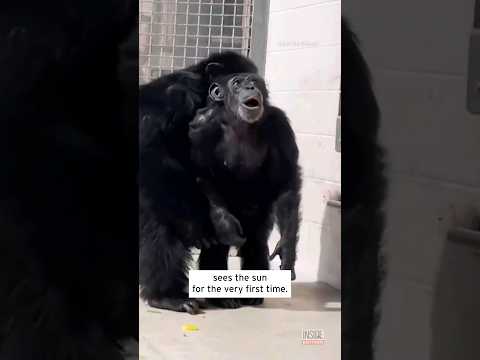
When people keep chimpanzees in captivity or use them for experiments, the pain isn’t just physical. Their mental and emotional health takes a hit too.
These challenges can lead to real suffering, not just from injuries, but from the whole environment.
Effects of Experimentation on Chimpanzee Wellbeing
Experiments can cause both physical pain and deep emotional harm for chimpanzees. Some have been captured or bred just for research, and they end up in places nothing like their natural homes.
That kind of life can lead to trauma, stress, and even long-term psychological issues. Studies show chimpanzees in labs often deal with anxiety, depression, and scars that last.
This isn’t just a scientific issue—it’s an ethical one. Balancing research benefits with animal welfare is a tough call.
These days, more people are trying to reduce pain and improve conditions for chimpanzees during studies.
Pain and Psychological Distress in Captivity
Captivity really takes a toll on chimpanzees, both physically and emotionally. When they lose their social circles or get stuck in cramped spaces, you’ll often notice depression, anxiety, or even behaviors like rocking and self-harm.
It’s not much different from PTSD in humans after a traumatic experience. If the environment feels dull or isolating, these issues just get worse.
So, what can you actually do? Make sure they have social time, room to move, and something interesting to do. Good care isn’t just about patching up physical wounds—it means paying attention to their emotional pain too.
If you’re curious, you can read more about how captivity affects their wellbeing in this study on chimpanzee welfare.


