
Ever found yourself wondering if owls are unclean in the Bible? Turns out, yeah—they are. The Bible actually calls owls unclean animals, so Israelites couldn’t eat them under Mosaic Law.
You’ll spot this in Leviticus and Deuteronomy, where owls get lumped in with other forbidden birds.
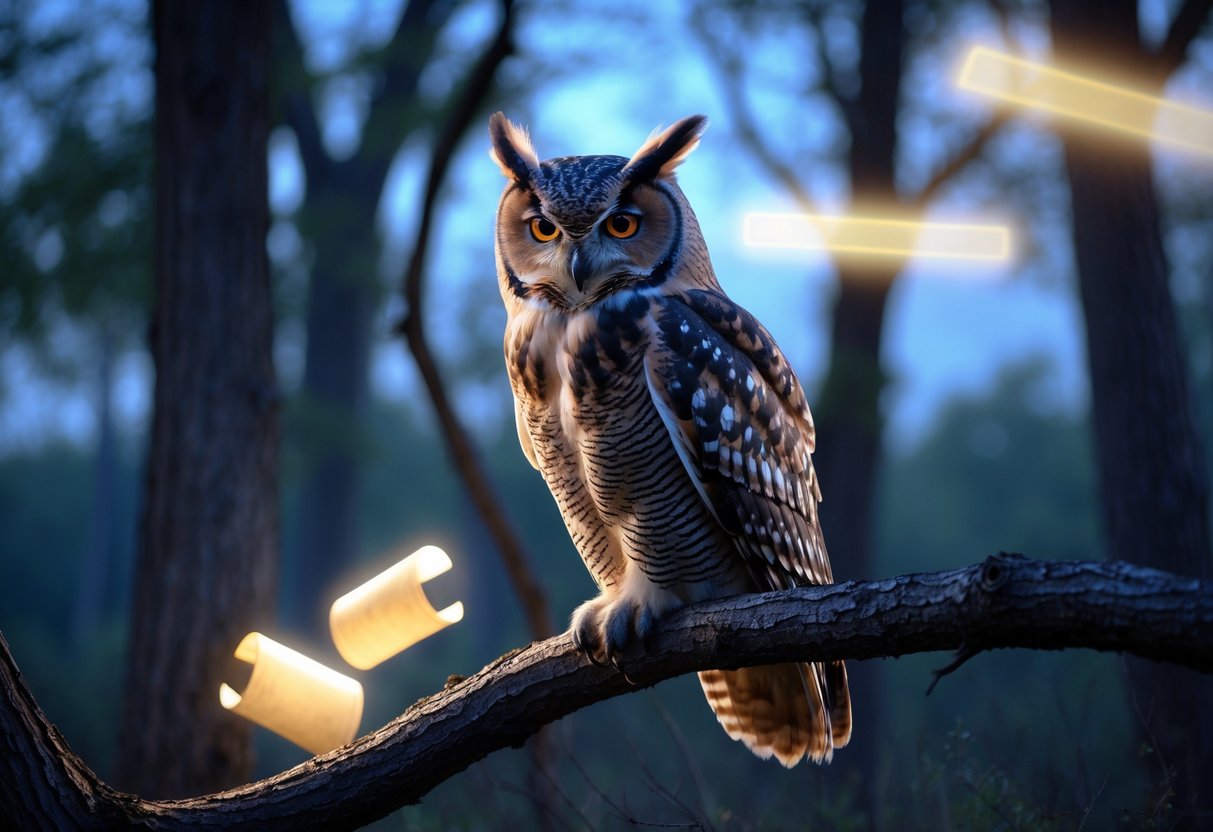
Owls also pop up as symbols in the Bible. They usually stand for loneliness, desolation, and mourning, probably because people saw them hanging out in deserted places.
That gives you a bit more context for why folks viewed these birds negatively, not just because of the food laws.
Digging into why owls got labeled unclean and what they represent might shift how you read certain Bible stories. Curious about the reasons and all the owl mentions in scripture? Keep going—there’s more to these mysterious birds than meets the eye. For a deeper dive, check out this exploration of owls in the Bible.
Biblical Declarations of Owls as Unclean

The Bible flat-out says owls are unclean, so you shouldn’t eat them. It lays this out in laws and lists that spell out which birds to avoid.
These passages mention certain owls by name and tie the rule to their habits and nature.
Leviticus 11 and Deuteronomy 14 Overview
You’ll find owls on the unclean list in both Leviticus 11 and Deuteronomy 14. These chapters tell the Israelites which animals are clean or not.
Leviticus 11:16-17 and Deuteronomy 14:16 specifically ban owls from the dinner table.
The King James Version even gets specific, calling some “great owl” and “little owl.” That shows a range of owls got included.
The reason? Mostly, it’s their diet and lifestyle—things like eating dead animals or being predators put them on the unclean side.
Unclean Birds: Complete List in Scripture
Owls aren’t alone. The Bible lays out a whole group of unclean birds in Leviticus and Deuteronomy.
Birds such as the screech owl, pelicans, and vultures join owls on this list.
Here’s a simple table with a few of the unclean birds mentioned:
| Bird Name | Mentioned In | Notable Detail |
|---|---|---|
| Little Owl | Leviticus 11:17 | Called “kos” in Hebrew |
| Great Owl | Deuteronomy 14:16 | Called “yanshuf,” linked to ruins |
| Screech Owl | Leviticus 11:18 | Sometimes translated as “horned owl” |
These lists aim to teach which animals the Israelites should skip for spiritual cleanliness.
The Little Owl, Great Owl, and Screech Owl in Context
The Bible singles out the little owl and great owl, but they stand for bigger groups of owls. The little owl, or “kos,” is small and not very loud.
The great owl, called “yanshuf,” gets linked to ruins and destroyed places, which fits with the symbolism of mourning and desolation.
The screech owl—sometimes called the “horned owl”—gets attention for its spooky cry. It lands on the unclean list because of its habits.
None of these owls are evil, but their diets and behaviors made them unclean according to the law.
You can check your Bible (the King James Version is a good pick) to see how these owls show up. Spotting these details helps explain why the Bible puts owls in this category.
If you want to dig deeper, see why owls are considered unclean in the Bible.
Translation Differences and Related Birds
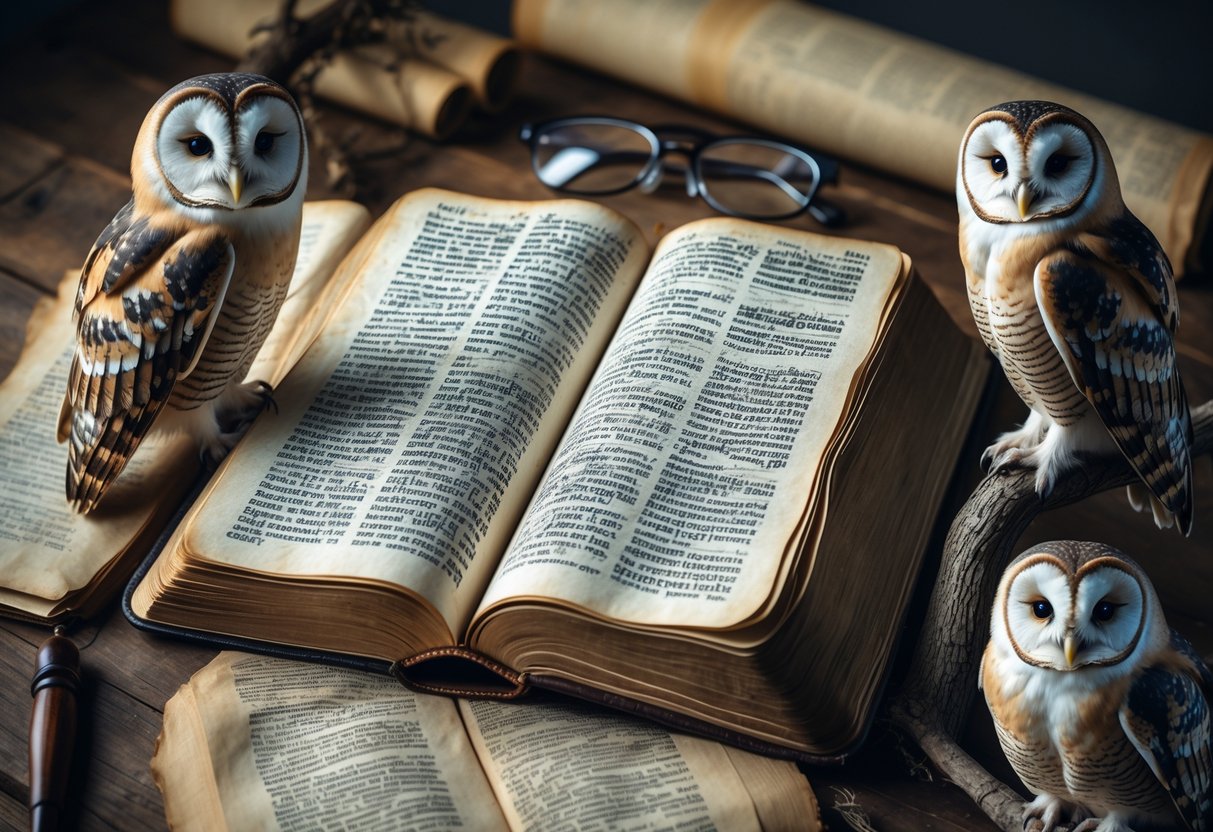
Sometimes, figuring out which birds the Bible calls unclean gets tricky because of different translations and names. Some birds share traits or get grouped together, so it’s not always clear which animal is meant.
Symbols tied to owls in some books add even more meaning, beyond just the food rules.
Ostrich, Heron, and Other Birds Named as Unclean
The list of unclean birds is actually pretty long. The Bible also bans ostrich, heron, pelican, cormorant, swan, bittern, ibis, stork, and hoopoe.
You’ll find these in Leviticus 11 and Deuteronomy 14 too.
Take ostriches—they’re unclean, not because of what they eat, but because people saw them as wild and impure. Birds like the heron and bittern live near water, but they’re included since they eat animals or scavenge.
Predators like hawks, buzzards, eagles, and crows also make the list. They eat flesh, so that’s a no-go.
Even bats show up alongside birds, which is kind of odd, but it really drives home that animals eating blood or dead flesh are off-limits.
These details help you see why certain birds were forbidden, whether for health or symbolism.
Bible Versions and the Meaning of Kos and Lilith
Some words in the Bible get translated differently, which can change what you think they mean. Two Hebrew words, kos and lilith, pop up with unclean creatures.
Kos might mean a certain type of owl or just another bird of prey. Some translations call it “great owl” or “screech owl.”
Lilith is a bit more mysterious. It’s often tied to night creatures like owls or even spirits in old texts.
Since Bible versions don’t always agree, some animals might get mixed up or linked to legends. If you’re studying, it helps to check a few translations to see how these words get handled.
It’s interesting how culture and language shape which animals people saw as clean or unclean.
Symbolic Usage of Owls in Job and Isaiah
Owls aren’t just listed as unclean birds; they pop up with deeper meanings in the Bible, too.
In Job 30, the author compares himself to an owl to show how lonely and miserable he feels. He’s isolated, like an owl sitting by itself in some abandoned ruins.
Isaiah 34 brings up owls again, but this time as symbols of desolation. The passage describes owls moving into ruined places after destruction, which paints a picture of emptiness and harsh judgment.
So, it’s not just about owls being unclean. These birds get tied to sadness, desert places, and emotional pain. The writers use them as a way to talk about hard times and what it feels like to be judged or left alone.
If you’re curious and want to dig deeper, check out this detailed explanation on owls in the Bible and the symbolism behind them.


