
Ever wondered if frogs are actually nice to humans? Or if they can even be friendly at all? Honestly, frogs aren’t social like dogs or cats. They won’t seek out your attention or affection, but if you treat them gently and with a little respect, they might get comfortable around you.
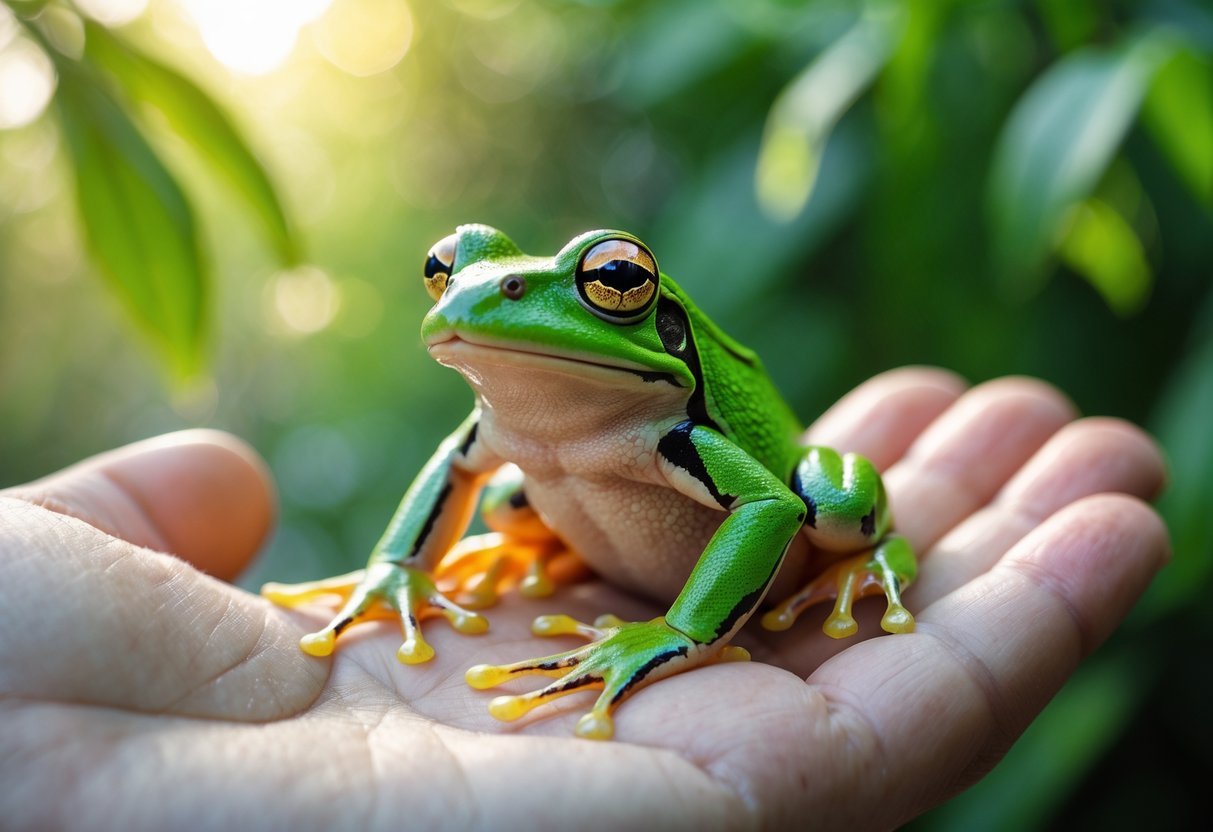
Frogs don’t form bonds like some animals, but over time, they might recognize your scent or just notice you’re around. They can show curiosity and tolerate handling, though they really don’t enjoy being petted or cuddled.
If you want to connect with a frog, give it a calm and safe place to live. That’s probably the best way to show you care.
Getting to know how frogs interact with people can help you appreciate them a bit more. If you’ve watched a frog quietly explore or listened to their peaceful croaks, you know there’s something special about having one nearby—even if they aren’t “nice” like a dog. For more about frog behavior and care, you might want to check out this article on are frogs good pets.
How Frogs Interact With Humans

Frogs, toads, and even tadpoles react to people in their own ways. Their behavior depends a lot on their species and where they live.
Some frogs will just sit still or maybe look a bit curious. Others keep their distance. It’s interesting to watch them and notice the differences.
Frog Behavior Around People
When you walk up to frogs or toads, most will freeze and quietly watch you. This stillness helps them avoid becoming a snack for predators.
Some frogs seem almost curious, keeping their eyes on you instead of hopping away right away. Tadpoles, since they live in water, usually swim off and hide in plants when you get close.
If you have a pet frog, gentle handling and regular feeding can help it trust you. Wild frogs, though, usually want nothing to do with people and will jump away fast.
Frogs don’t act aggressively toward humans. But if you move suddenly, you’ll probably startle them.
Attachment and Bonding With Frogs
Frogs and toads don’t really form emotional bonds like dogs or cats do. You won’t see a frog getting attached to anyone.
Pet frogs might recognize you as the one who brings food. Over time, they could show less fear, but that’s more about survival than affection.
Tadpoles eventually become adult frogs and tend to lose any tolerance for humans as they grow. Even if they get used to you for a bit, they don’t form real bonds.
If you keep frogs as pets, being consistent and gentle helps them stay calm around you.
Potential Risks in Human-Frog Relationships
Handling frogs isn’t without risks—for you and for them. Frogs have super delicate skin that soaks up anything on your hands.
Always wash your hands before touching them. Things like oils, lotion, or soap can hurt them.
Some frogs, especially certain toads and exotic species, produce toxins to protect themselves. These can irritate your skin or even cause worse reactions.
Don’t touch your face or eyes after handling frogs. Poisonous frogs are best left in the wild—not as pets.
You might accidentally stress out frogs by catching or holding them too much. Stress can weaken their immune system and make them sick.
Treat frogs gently and try not to handle them more than necessary. That’s the safest bet for everyone.
For more on how frogs behave around people, here’s an article on tree frog interaction.
Frogs’ Role and Value to People

Frogs actually play a bigger part in your life than you might think. They help control insects and even contribute to science and medicine.
But frogs face a lot of problems, like losing their homes and dealing with invasive species.
Benefits of Frogs to Human Life
Frogs eat tons of insects that bug you or wreck crops. That’s natural pest control, which saves money and helps keep things healthy.
They also matter in medicine. Some frogs make chemicals that scientists use to develop new drugs.
Research on frogs teaches us about animal development and fighting diseases.
Frogs feed birds, snakes, and other animals you might spot outside. If you see frogs around, it’s usually a sign your local environment is doing pretty well.
Challenges: Invasive Species and Habitat Loss
Not every frog does good things for the environment. Some, like the cane toad, actually hurt local plants, animals, and sometimes even your pets.
These invaders really mess up the balance in local ecosystems. It’s a bigger problem than most people realize.
Habitat loss hits frogs hard. When people cut down forests or fill in ponds, frogs suddenly have nowhere to live or breed.
Their numbers can drop fast, and the whole environment feels the impact. It’s not just about the frogs—it’s about everything around them.
Protecting frog habitats keeps water clean and helps the whole ecosystem stay healthy, which is good for you too. If you want to dig deeper into these issues, check out this site on frog importance.


