
Ever wondered if frogs—those little, bouncy creatures you spot near ponds or in your backyard—can actually feel happy? They don’t exactly smile or show their feelings like we do, but frogs can feel happy in their own way when they’re safe and all their needs are met.
Frogs react to their environment and pick up on things like comfort, stress, or fear, depending on what’s happening around them.
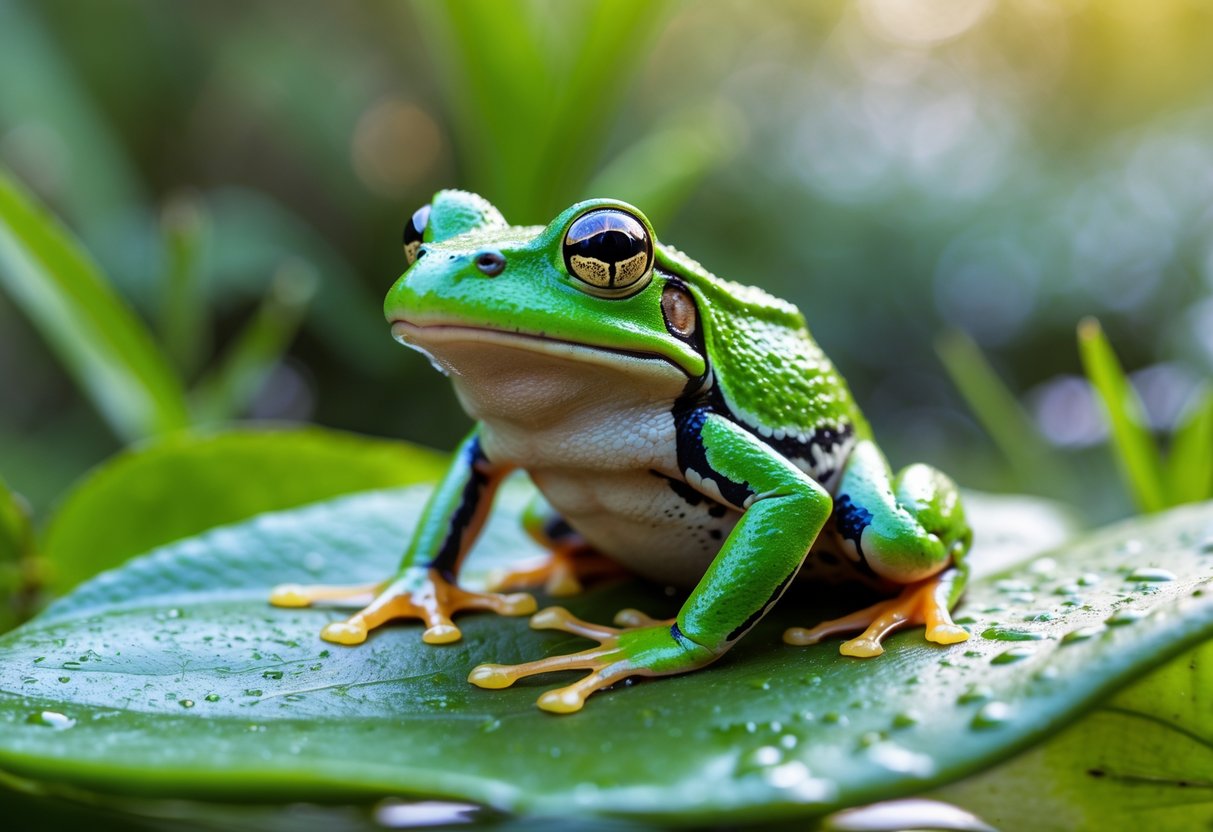
It’s kind of fascinating—frogs have a much simpler brain than people, so their emotions are pretty basic. Still, you can spot signs of a happy frog by how it eats, sheds skin, and moves around.
If you’re curious about what actually makes frogs happy or how to tell when they’re feeling good, you’re in the right place. Honestly, it’s kind of surprising what’s going on beneath those quiet croaks.
For more details, check out Can Frogs Feel Happy? A Peep Into the Emotional Lives of Frogs.
Can Frogs Get Happy? The Science of Frog Emotions

Frogs aren’t just simple creatures hopping around ponds. They use their senses and react to things to survive.
Their feelings aren’t quite like yours, but they do feel safe, stressed, or even something close to happy.
Do Frogs Have Feelings?
Frogs do feel things, though what they feel is different from what humans experience. Their brains have sensory receptors that help them notice danger, pain, or comfort.
These responses keep frogs safe and healthy.
Frogs sense fear and stress, which helps them avoid threats. When their needs are met, they show signs of being comfortable.
So, while frogs don’t think deeply, they do have basic feelings that help them survive.
How Frogs Experience Happiness
Frogs release a chemical called mesotocin, which works a lot like oxytocin does in people. This chemical helps frogs feel something like joy, especially during mating or caring for their young.
Your frog probably feels happiness in ways tied to these natural behaviors, not in a human sense.
A happy frog looks healthy, moves around, and eats well. When you see normal behavior and no signs of stress, your frog’s probably in a good state—about as happy as a frog gets.
Differences Between Frog and Human Emotions
Frogs don’t have the emotional range or depth that humans do. For instance, their heart rate doesn’t really change much with mood or stress, unlike ours.
Their nervous system focuses on survival, not on deep feelings.
You show emotions by talking or making faces, but frogs communicate differently. Their feelings are mostly about staying alive and safe.
So, frogs do feel things, but their emotions are pretty simple compared to ours.
If you want to dig deeper, here’s more about the science of frog emotions.
Recognizing and Supporting Happiness in Pet Frogs

You’ll mostly know your frog feels good by watching how it acts and making sure its home is clean and safe.
Frogs don’t show happiness like a dog or cat might, but you can help them thrive by giving them the right environment and handling them gently.
Signs Your Pet Frog Is Content
Frogs show contentment in simple ways. A healthy appetite is a good sign—if your frog eats live food like insects and keeps a steady weight, that’s a plus.
Active frogs, especially at night if they’re nocturnal, are usually content.
Clear, bright eyes and smooth skin show good health. Regular shedding is another clue your frog feels okay.
If your frog’s waste looks normal and firm, that’s another sign it’s doing well.
Some species “sing” or make quiet sounds when they’re comfortable. If your frog isn’t acting sluggish, refusing food, or looking bloated, chances are it’s pretty happy.
Do Frogs Like to Be Held?
Most frogs really don’t enjoy being held. When you pick them up, they often get stressed or scared.
Frogs usually try to jump away because they see handling as a threat.
Try not to handle your frog unless you have to. Their skin soaks up stuff easily, so anything on your hands can harm them.
Wash your hands well before and after touching your frog to keep both of you safe.
If you do need to pick up your frog, be gentle and keep it close to the ground so it doesn’t get hurt if it jumps. Respecting their dislike of handling keeps them safer and less stressed.
Caring for African Dwarf Frogs
African Dwarf Frogs live completely underwater, so they need special care to stay happy.
Keep their tank clean with filtered, dechlorinated water and keep the temperature between 72°F and 78°F (22°C to 26°C).
Give them hiding spots and smooth surfaces to rest on. Feed them small live or frozen foods like bloodworms or brine shrimp.
Don’t overfeed—regular, moderate meals work best.
Watch for healthy skin and good activity levels. These frogs prefer calm spaces without loud noises or sudden movements.
Good tank care helps them feel safe and comfortable.
Enhancing Wellbeing in Amphibian Pets
If you want your frog to thrive, start by giving it a habitat that feels natural for its species. Keep an eye on humidity, temperature, and lighting—these details really matter.
Clean the tank regularly. That way, you keep harmful bacteria at bay.
Offer live prey that fits your frog’s diet. Don’t cram too many frogs into one tank; they need space.
Try to keep things calm around the tank. Too much noise or movement can stress your frog out.
When you feed your frog or clean the tank, move slowly and gently. A calm approach helps your frog feel safe.
Honestly, your frog’s happiness mostly comes down to meeting its basic needs and making it feel secure.
If you want to dig deeper, check out how to tell if frogs are happy and ways to care for African Dwarf Frogs.


