Ever wonder why frogs aren’t a regular part of most people’s meals? Sure, folks eat frog legs in some places, but for the most part, frogs just don’t make it onto the dinner table.
The main reason? Frogs aren’t a staple in a lot of cultures, and people worry about what eating them does to the environment and frog populations. Most people skip eating frogs because it can mess with ecosystems, and honestly, the way frogs are caught and processed makes some folks uncomfortable.
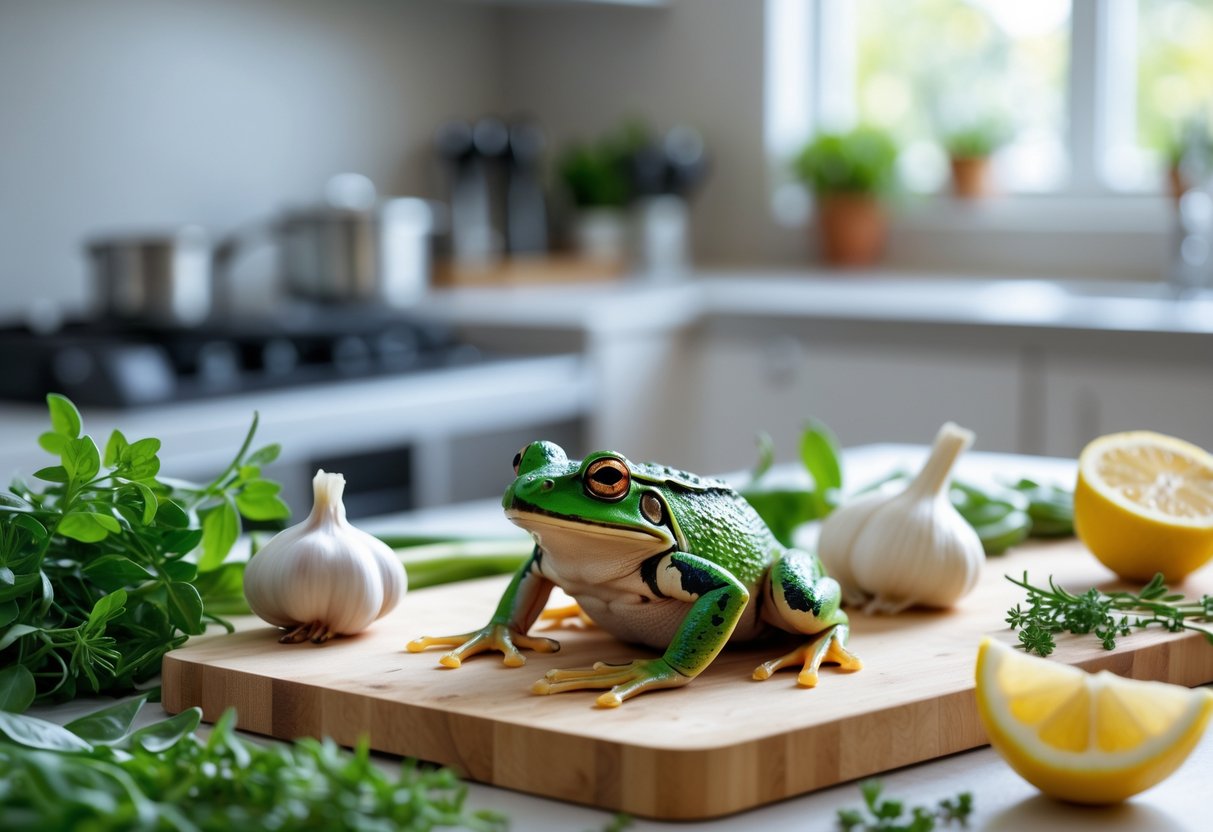
Some people do eat frogs, especially in parts of Europe and Asia. But frog numbers are dropping worldwide.
That makes eating frogs less sustainable and brings up some tough ethical questions. If you’re curious why frogs aren’t a go-to meal, it helps to look at their role in nature and the challenges of harvesting them.
On top of the environmental stuff, eating frogs just feels odd or unfamiliar for a lot of people. Food choices really depend on culture and habits, so frogs never really caught on in most places.
But there’s a lot more to it, from how frogs live to how different cultures see food. Some of the reasons might surprise you.
Why Don’t We Commonly Eat Frogs?

People don’t eat frogs much in many places, and there’s not just one reason. Culture, taste, how tricky it is to get them, and environmental worries all play a part.
These things shape why you don’t see frog legs on most dinner menus.
Cultural Attitudes Toward Eating Frogs
Culture really shapes what ends up on your plate. In France and parts of Asia, frog legs are actually a treat.
But in most countries, people don’t grow up eating frogs, so the idea can feel weird or even gross.
Some folks see frogs as pets or just wild animals, not food. Certain religions and traditions even say no to eating amphibians.
Your culture shapes what you’re willing to try, and frogs just don’t fit into most people’s usual meals.
Concerns About Sustainability and Conservation
If you care about nature, eating frogs might make you pause. Many frog species keep shrinking because of things like habitat loss, pollution, climate change, and disease.
Millions of frogs get collected for food every year, especially in Southeast Asia and Turkey.
That kind of demand can seriously hurt wild frog populations. In Turkey, for example, some frog species could disappear locally if people keep harvesting them at this rate.
So, when people avoid eating frogs, they’re often trying to help protect these animals and keep ecosystems healthy. You can read more about frog populations and harvesting in Turkey here.
Taste and Culinary Preferences
Ever wondered what frog legs taste like? Most people say they’re mild and kind of like chicken.
Still, not everyone is into it. The taste and texture can be a turn-off if you’re not used to it.
Your own food preferences matter a lot. If you like familiar flavors or are picky about meat, you probably won’t pick frogs.
Frogs don’t have a strong flavor, so chefs often rely on seasoning or deep frying to make them taste good.
Availability and Harvesting Challenges
Frogs aren’t easy to find everywhere. Unlike chickens or cows, people don’t really farm them much.
Most frog legs you see in stores come from wild frogs, caught in places like Indonesia, China, or Turkey.
Catching frogs isn’t simple. People usually go out at night in groups, and sometimes they don’t catch much.
If people catch too many, it gets harder and pricier to find frogs. Frog meat just isn’t as cheap or available as chicken or beef.
Health, Environmental, and Ethical Considerations

Thinking about eating frogs? There are some real health risks, worries about wild frog populations, and questions about how frogs are treated.
All of this helps explain why frogs don’t end up on most people’s plates.
Potential Health Risks of Eating Frogs
Frogs can carry parasites and bacteria that might make you sick. If you don’t cook frog meat properly, you could get infections like salmonella or even parasites that cause serious illness.
Some frogs live in polluted water, so their meat can have harmful chemicals or toxins. Eating frogs from dirty places puts you at risk for these substances.
If you’re going to eat frog legs, it’s smart to get them from trusted sources that follow safety rules. That way, you lower your chances of getting sick.
Impact on Amphibian Populations
A lot of frog species are already struggling because of things like habitat loss, pollution, and disease. Harvesting frogs for food adds more pressure, and it can push some species closer to extinction.
When people take too many frogs, it messes with local ecosystems. Frogs eat insects and serve as food for other animals, so if frog numbers drop, things can get out of balance.
Eating wild frogs might make this problem worse. Supporting sustainable options helps protect frogs from more harm.
Animal Welfare Issues
Frogs used for food often face harsh conditions. People catch or farm them in ways that cause pain and distress, and honestly, there’s barely any protection for the animals’ wellbeing.
Transport and slaughter can get ugly too. Workers sometimes cram frogs into crowded containers and handle them roughly before killing them, which definitely raises ethical questions.
If you avoid or carefully pick frog products, you might help reduce demand for these practices. Thinking about animal welfare means considering what frogs go through before they end up on your plate.


