
Chipmunks look adorable and seem harmless, but are they really good to have around? They play a part in nature, sure, yet when they get too close to your home or garden, problems can pop up fast.
They spread seeds and serve as food for other wildlife, which is pretty important. Still, their digging and chewing might damage your plants or even mess with structures like patios.
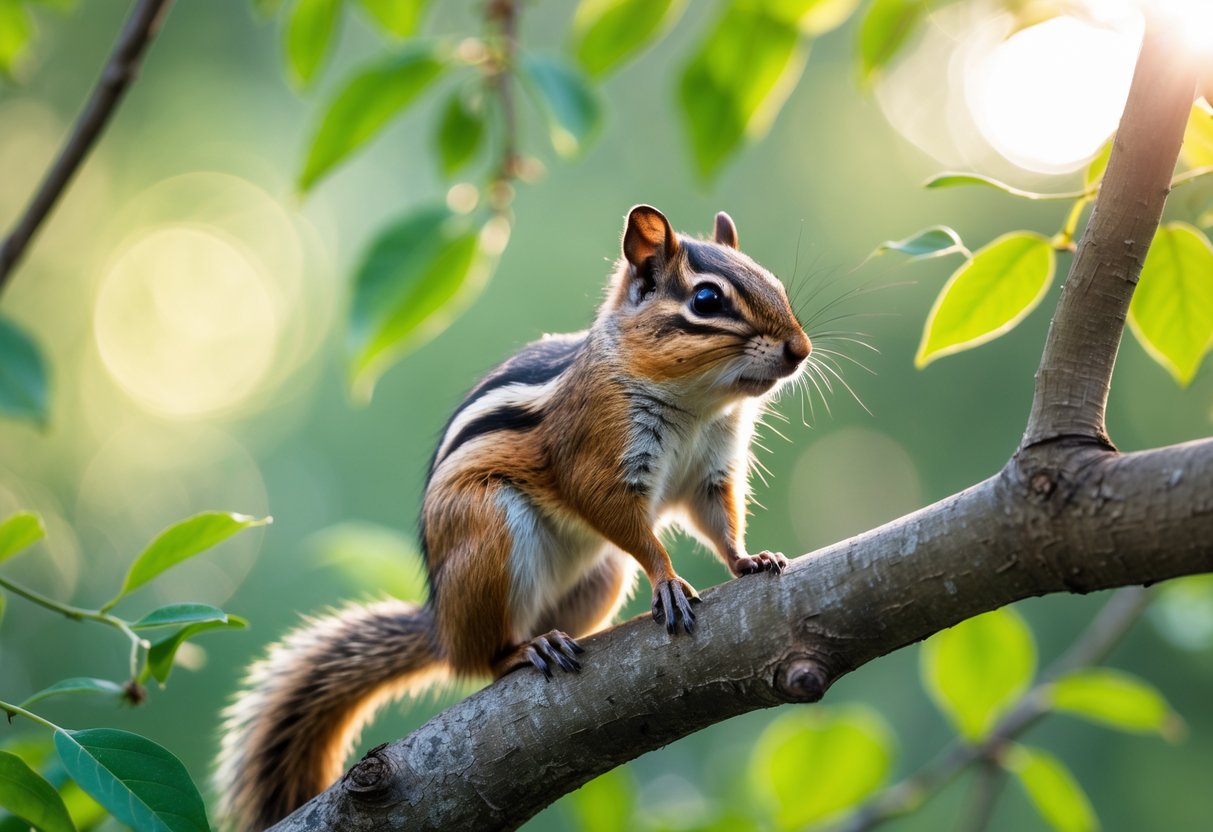
If you like watching wildlife, chipmunks definitely add some excitement to your yard. Their habits, though, sometimes mean messes or minor damage—especially if they decide to move into your attic or burrow under your patio.
When you understand how chipmunks act, you can find a balance between enjoying their antics and protecting your place.
Are Chipmunks Good or Bad to Have Around?
Chipmunks bring a mix of good and bad to your yard. Watching them scurry around is fun, but sometimes they cause a little chaos.
Knowing what chipmunks actually do helps you decide how to handle them.
Benefits Chipmunks Bring to Yards and Gardens
Chipmunks dig burrows that aerate the soil. That helps your plants grow better.
They eat plenty of bugs, including ones that might hurt your flowers or veggies. Their natural appetite keeps insect populations in check without you needing to spray chemicals.
It’s honestly kind of entertaining to watch chipmunks dart around. Their chirps and quick moves bring energy to your outdoor space.
Since they mostly munch on seeds, nuts, and insects, they don’t usually cause big problems if you protect your favorite plants.
Eastern chipmunks, or Tamias striatus, fit right into the local ecosystem. Hawks and foxes rely on them for food, so they help keep nature balanced.
Risks and Problems Chipmunks May Cause
Chipmunks sometimes become a real nuisance in the garden. Their tunnels can mess with plant roots or even weaken patios if they dig too close.
They love veggies and bulbs, which can be super frustrating for gardeners.
You might catch them raiding your bird feeders and stealing seeds meant for birds. That can annoy bird lovers and attract even more chipmunks.
Try baffles or special feeders to make it harder for them to steal birdseed.
Chipmunks carry ticks that might spread Lyme disease. They rarely carry rabies, but they can bring fleas or mites inside.
Avoid handling them, and make sure your pets stay protected.
Comparison With Other Rodents and Wildlife
Chipmunks are smaller than squirrels and don’t climb as much. That means they’re less likely to damage your roof or attic.
Unlike rats, chipmunks don’t really go after garbage, so you won’t get as many sanitation headaches.
They’re usually less aggressive and more helpful in the garden than some other rodents. Still, if you have a lot of chipmunks, their burrows and plant damage can start to look like squirrel or rat problems.
Keeping chipmunks as pets isn’t a good idea—they’re just too wild.
Compared to other wildlife, chipmunks are easier to live with if you manage food and shelter smartly.
Chipmunk Behavior, Diet, and Biology
Chipmunks stay active during the day. You’ll notice their striped fur and the way they use sharp claws to dig burrows or climb a little.
They stuff food like nuts and seeds into their cheek pouches to save for winter. It’s kind of impressive to watch.
Chipmunks eat a mix of things—plants, insects, and sometimes even small frogs or bird eggs. That makes them omnivores.
Their diet helps control bugs and spreads seeds around the garden.
They use chirps and chatter to talk to each other or warn others away. Usually, they’re shy, but sometimes their curiosity brings them close.
If you sit quietly, you might spot them darting around, quick as anything.
Knowing a bit about chipmunk biology makes it easier to live with them and still keep your garden safe.
Managing and Controlling Chipmunk Activity

You’ll spot chipmunks by looking for small burrows or chewed-up plants near your house. To keep them away, seal up entry points and adjust your garden layout a bit.
If you need to move chipmunks, you can use humane traps or call wildlife control—no need to hurt them.
Signs of Chipmunk Activity and Damage
Check for burrows that are about 2 to 3 inches wide near walls, patios, or under decks. You might see little dirt piles around the openings.
Chewing damage often appears on bulbs, seeds, and garden plants. Sometimes their tunnels even mess with foundations or stairs.
Listen for rustling in bushes or leaves during the day. You’ll probably catch chipmunks running along fences or near bird feeders.
If your birdseed or pet food keeps disappearing, chipmunks might be the ones taking it.
Prevention and Exclusion Strategies
Trim plants and tree branches so they don’t touch your house. That way, chipmunks have a harder time getting close.
Use hardware cloth with 1/4-inch mesh to cover flower beds and block any holes near your home. Make sure it’s attached tightly.
Clear away piles of wood or debris where chipmunks might hide.
Change up your bird feeders with designs that catch fallen seed. That’ll cut down on easy snacks for chipmunks.
Cover or block dryer vents and downspouts to keep chipmunks from getting inside.
Safe Removal and Wildlife Control Options
You can use cage traps with peanut butter or sunflower seeds to catch chipmunks safely.
Check the traps every day and let the chipmunks go far away from your yard.
Some people use snap traps, but you’ll need to be extra careful—they can harm pets or other animals if you’re not paying attention.
Skip the toxic poisons. They’re risky for pets and other wildlife around your home.
If chipmunks keep causing trouble, maybe it’s time to call in professionals who know wildlife control inside and out.
Some folks try natural repellents, like predator urine or even human hair. Results? They’re honestly all over the place.


