
If you find a dead rat in your home or yard, you might wonder if the rest will just leave. A dead rat can scare off nearby rats for a while, but it usually doesn’t make them leave for good.
Rats pick up on danger through scent and social cues, so a dead rat basically acts as a warning sign. The others might keep away for a bit, but it’s rarely permanent.
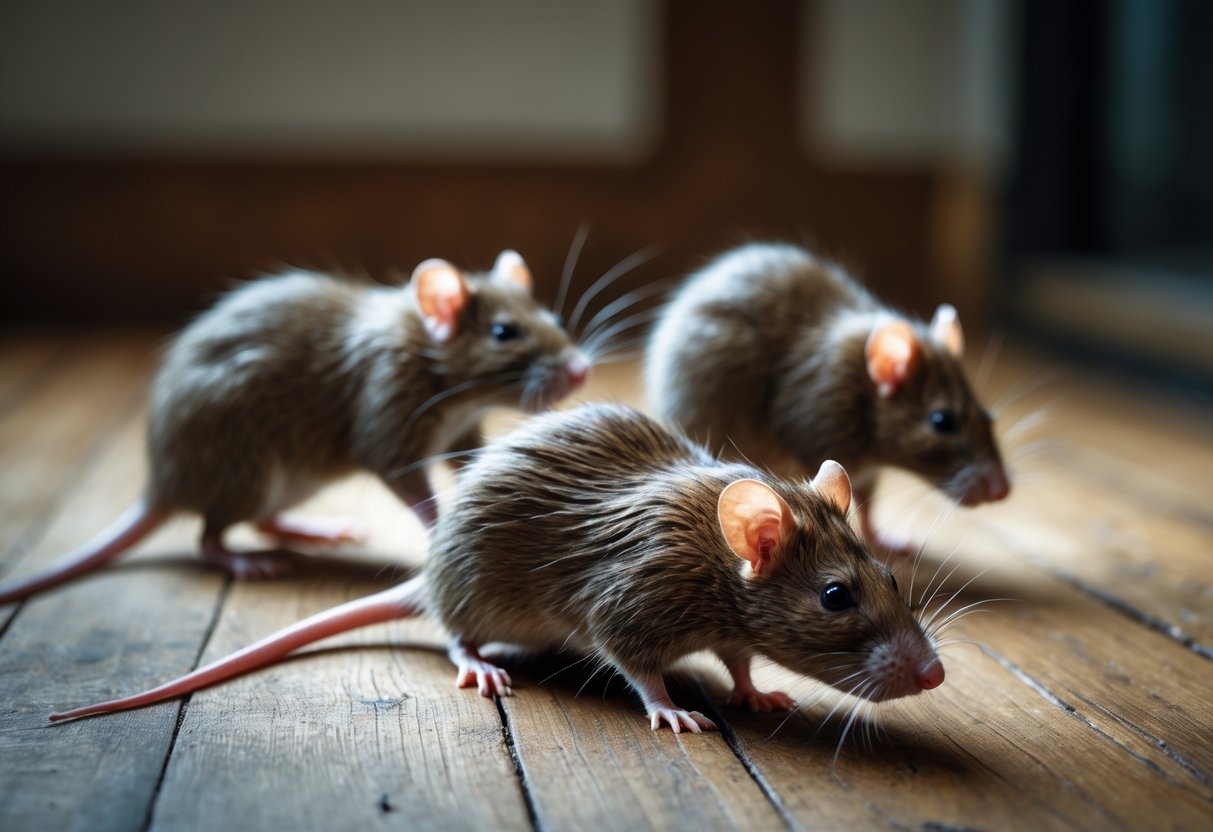
Rats like to stick together in groups and form tight social bonds. Losing one doesn’t mean the others will just abandon their home. They’ll probably act more cautious or shift their activities to safer corners nearby.
So, just finding a dead rat doesn’t mean your rat problem is over. If you want rats to actually leave, you’ll need to do more than just hope they go away.
Try pairing their natural avoidance with other steps—clean up food, seal up holes, and block entry points. That way, you’ll make your place less appealing and a lot safer.
Do Rats Leave When One Dies?

When one of your rats dies, you might wonder if the others will act differently or even leave. Rats are social creatures, and they react in their own ways to losing a cage mate.
If you understand their behavior, you can actually help your pets get through it.
Social Bonds and Rat Group Dynamics
Your pet rats build strong bonds with each other. These connections matter for grooming, warmth, and just having company.
When one dies, the others notice. They don’t just ignore the loss—they feel it.
Rats usually don’t leave their cage after a friend dies. Instead, they might stick close to spots where their buddy used to hang out.
Their group is important, so they’d rather stay together than go off alone.
You can help your rats cope by spending extra time with them. Try adding new toys, treats, or playthings to their space. Little distractions can comfort them during a tough time.
Typical Rat Responses to a Dead Cage Mate
Surviving rats might seem sad or less active. You could see them eat less or withdraw for a bit.
Some will sniff or stay near the body at first. It’s their way of grieving.
Wild rats avoid dead group members because it signals danger. Pet rats, though, usually won’t abandon their cage.
Sometimes, they’ll try to move the body to a different spot. It’s normal behavior.
You might also notice your rats acting more clingy, looking for comfort from you. Keeping things calm and steady can really help.
If you want more details on how rats deal with loss, check out this page on rat grief and behavior.
Helping Surviving Rats Cope With Loss
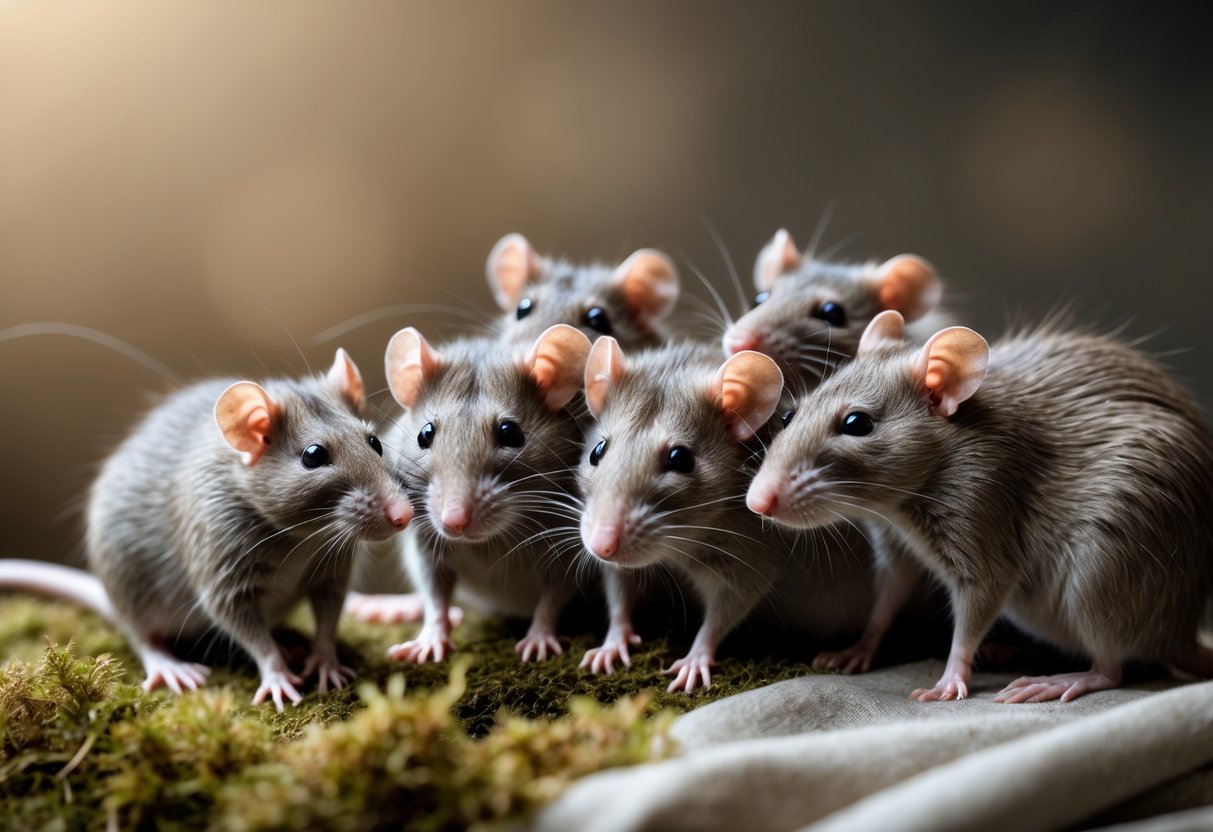
When a rat in your group dies, the others can show clear signs of sadness. If you pay attention and give extra care, you’ll help them get through it.
Knowing what to look for and how to support them really matters for your rats’ well-being.
Common Signs of Grieving in Rats
Your rats might slow down after losing a companion. Maybe they eat less, seem withdrawn, or stop grooming like they used to.
Some will hide more or lose interest in playtime. Changes in sleep patterns are common too—they might sleep more or less than usual.
If they start avoiding you or other rats, it could just be sadness.
Usually, these behaviors last a few days or maybe a couple of weeks. If things don’t get better, or you notice it’s getting worse, your rats might need some extra help.
Supporting Rats Through Grief
You can help by spending more time with your rats and handling them gently. Extra playtime can lift their mood.
Make sure their cage stays clean, comfy, and quiet. Keeping their routine steady helps them feel safe.
Offer favorite foods or treats to encourage eating. Sometimes, a new toy or rearranging the cage can spark their interest again.
Watch for any physical changes—if your rats stop eating or seem sick, it’s probably time to check in with a vet.
When to Consider a New Companion
Rats really thrive with company. Most of them seem happier with a buddy around.
If you notice your remaining rats looking lonely or acting down for a while after losing a cage mate, maybe it’s time to think about a new friend.
Start slow with introductions. Set up separate cages so they can sniff each other out first.
When you let them meet face to face, stick around and keep an eye on things. Rats don’t always hit it off right away.
Honestly, it takes patience. Some rats just need time to warm up. Bringing in a new companion could lift their spirits, but you’ve got to watch for stress and ease into it.
Curious about how rats handle loss and friendships? Check out this deep dive into rat grief and behavior.


