
Ever wondered, “Will honey bees sting me?” Yeah, they can, but honestly, they usually don’t unless they feel threatened. Honey bees mostly use their sting to protect themselves or their hive, so if you stay calm and act carefully, your chances of getting stung drop a lot.

Honey bees aren’t looking for trouble; they’re just busy gathering nectar and helping plants thrive. But if you accidentally bother them or get too close to their hive, they might defend themselves.
Knowing why and when they sting helps you stay safe and maybe even appreciate these little workers a bit more. It’s worth learning a few basics so you’re ready if you cross paths with a honey bee.
Will Honey Bees Sting You?

Honey bees sting when they feel threatened or need to protect their hive. They don’t just attack at random.
Their behavior and the situation really decide how and when they sting. You’ll find out what sets off their defense and how they compare to other bees.
When Honey Bees Are Likely to Sting
You’re most likely to get stung if you get too close to a honey bee’s hive. Honey bees guard their home fiercely, especially during warmer months when they’re storing honey.
If you disturb their hive or make sudden moves nearby, they may sting to protect the colony. They also get more defensive when there aren’t many flowers around and food is scarce.
Unlike wasps, honey bees avoid stinging unless they really have to, since they die after stinging.
Defensive Behavior and Triggers
Honey bees use their sting mainly for defense. When one stings you, its barbed stinger gets stuck in your skin and rips away part of its body.
This kills the bee soon after. The stinger keeps pumping venom for up to a minute if you don’t remove it.
Watch out for triggers like loud noises, quick movements, or strong smells. These things can irritate honey bees and make them defensive.
Wearing bright clothes or strong perfumes might also provoke a sting. If you stay calm and move slowly, you’ll lower your chances of being stung.
Comparing Honey Bees to Other Stinging Bees
Bumblebees, unlike honey bees, have smooth stingers and can sting more than once without dying. That makes bumblebees a bit less cautious about stinging.
Other insects like wasps and hornets act more aggressively and don’t die after stinging you. Honey bees, on the other hand, sting only to protect their hive—not to hurt you.
It’s good to keep this in mind if you want to avoid stings and still respect these important pollinators. For more details, see why honey bees sting and die after.
What Happens When a Honey Bee Stings
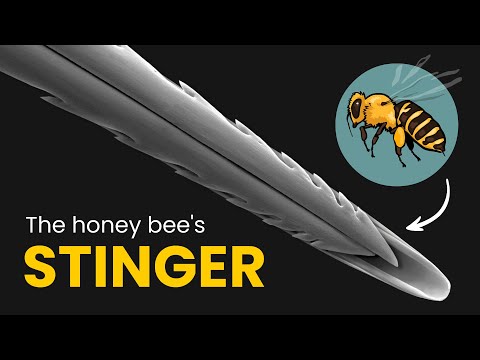
When a honey bee stings, it uses a special tool that gets stuck in your skin. The sting delivers venom, which causes pain and swelling.
Your body might react in different ways, from mild irritation to, in rare cases, serious allergic reactions.
Mechanism of the Honey Bee Sting
A honey bee’s stinger has tiny barbs that lock it into your skin. When the bee stings, it can’t pull the stinger out.
The stinger and part of the bee’s abdomen get left behind, which kills the bee. The stinger keeps pumping venom into your skin through a venom sac that stays attached.
That’s why the pain can keep getting worse if you don’t remove the stinger quickly.
Venom Components and Their Effects
Honey bee venom, called apitoxin, contains a mix of chemicals. One main ingredient, melittin, causes pain by damaging your cells.
The venom also contains histamine, which makes the area itch and swell. These chemicals trigger your immune system, so you’ll see redness and soreness around the sting.
Sometimes, the venom can spread and cause more severe reactions, but that’s not too common.
Health Reactions and Allergies
Most people get mild symptoms from a honey bee sting—things like pain, redness, or swelling. Some folks, though, react more strongly and can experience anything from itching to a scary allergic response.
Anaphylaxis can hit hard. It makes breathing tough, causes dizziness, and drops your blood pressure fast. If this happens, you really need medical help right away.
Doctors use epinephrine to treat these severe reactions quickly. If you already know you’re allergic to bee stings, it’s a smart move to keep an epinephrine auto-injector with you.
You can find more details on the mechanism and effects of honey bee stings.


