
So, what scent are bees attracted to? Honestly, it’s pretty straightforward—bees love sweet, floral, and fruity scents. These smells help them track down flowers and gather nectar or pollen.
Scents like lavender, rose, passionfruit, and even pineapple seem to really draw them in.

If you want more bees in your garden or need to keep them away, knowing what attracts them can make a difference. You can plant flowers with bold fragrances or use certain essential oils to manage bee activity around your home.
Getting familiar with bees’ favorite smells lets you work with nature, not against it. Ever wonder why bees seem to swarm certain spots? It’s mostly about the scents they’re picking up. If you’re curious, there’s more info on scents that attract bees.
Core Scents That Attract Bees

You can use certain scents to bring bees to your garden or keep them hanging around your plants. Floral fragrances, sweet and fruity aromas, and herbal notes are all on their list of favorites.
Knowing what bees enjoy helps you support pollinators and boost your plant growth.
Floral Fragrances and Flower Scent
Bees chase the smell of flowers because it tells them there’s nectar and pollen nearby. Scents like lavender, rose, and eucalyptus release compounds that guide bees straight to their food.
Flowers with strong, sweet aromas really stand out. Plants like sunflower, coneflower, and echinacea use these smells to pull in pollinators.
You’ll notice that perennials and annuals with deep floral scents, including zinnias and salvia, are bee magnets. If you use lavender oil or plant bee-friendly flowers, you’ll see more pollinators in your garden.
Sweet and Nectar-Like Aromas
Sweet smells remind bees of nectar and honey, which they can’t resist. Aromas like honey, coconut, and sugar-rich floral scents send a clear message: food’s here.
Bees follow these signals to find good spots for gathering. If you plant flowers with nectar-like scents, such as bee balm, sage, and rosemary, bees will visit more often.
Some essential oils with these aromas also help create a welcoming vibe for pollinators. Sweet fragrances lure bees and keep them busy in your yard.
Citrus and Fruity Notes
Bees seem to love citrusy scents like lemon, orange, grapefruit, and lemongrass. These smells have compounds that attract bees from pretty far away.
If you’re into planting herbs or citrus trees, these scents can help bring in pollinators during bloom time. Lemon-scented plants like lemon balm or lemongrass have a bold smell that bees catch right away.
If you’re not a fan of bees buzzing near you, maybe skip the strong lemony lotions or perfumes. Citrus scents pair well with floral ones, making your garden even more attractive to bees.
Herbal and Woody Scents
Herbs like mint, peppermint, spearmint, thyme, and oregano give off herbal and woody scents that bees seem to love. These plants release essential oils, especially when they bloom.
Bees also enjoy woody or resinous aromas from plants like rosemary and sage. Growing herbs with these scents brings more bees to your space.
You’ll get flavorful herbs for your kitchen and a bee-friendly garden full of fragrant plants.
Bee Scent Preferences and Repellents
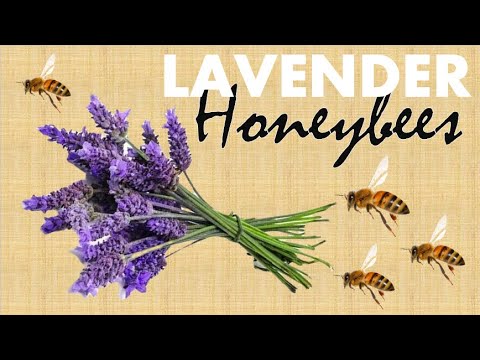
Bees use their strong sense of smell to find food and talk to each other. Some scents attract them, while others push them away.
If you figure out which is which, it’s easier to manage bees around your home or garden.
Natural Bee Repellents and Avoided Scents
You can keep bees at bay with natural scents like citronella, garlic, and cinnamon. Bees find these smells pretty unpleasant, so they’ll steer clear of places where they pick them up.
Burning citronella candles or putting garlic cloves nearby can help keep bees away. Other natural repellents include peppermint and eucalyptus oils.
If you spray diluted versions of these oils around your patio or garden, you create a natural barrier. Bees don’t like bitter or strong smells as much as sweet ones, so these remedies work.
Mixing your own bee repellent with lemon juice and essential oils like citronella gives you a fresh but protective spray. You get to enjoy your outdoor space with fewer bees buzzing around.
The Role of Chemical Signals and Pheromones in Bee Attraction
Bees rely on chemical signals and pheromones to communicate and hunt for food. They produce pheromones to guide others to food or warn about danger.
Some food smells, like almonds or herbs such as lavender, mimic these signals. That’s why bees seem obsessed with these scents—they think it means food or even safety.
You’ll often spot bees hovering around flowers with those smells. If you want to bring bees closer, focus on scents that mimic their pheromones.
But if you’d rather not have them around, avoid sweet citrus smells. Understanding this gives you more control over how close bees get to you.
Plant Selection for Attracting or Repelling Bees
Picking the right plants really changes whether you’ll see bees buzzing around or not. Flowers like lavender and some herbs pull bees in because their sweet, herby smells are just irresistible.
But maybe you’re hoping to send bees elsewhere? Try planting things with strong, bitter scents. Garlic and citronella, for example, naturally keep most bees away.
Butterflies might still flutter around these plants, but bees usually steer clear.
You might want to mix things up in your garden. Put bee-repelling plants near spots you’d rather keep bee-free, and save the bee magnets for places where you actually want pollinators.
It’s honestly pretty simple—just let scent and plant choices do the work for you.


