
Encountering a fox in the wild can spark curiosity about their behavior. You might wonder if these clever animals could stalk a human. Typically, foxes do not stalk humans; they are more likely to avoid people than approach them.

Foxes, like many wild animals, prefer to keep their distance and usually flee at the sight of humans. They are naturally cautious creatures. However, if a fox feels cornered or threatened, it may act differently.
Understanding these behaviors can help you feel more at ease during those rare moments when you might cross paths with one of these fascinating animals.
While foxes are generally harmless, it’s important to respect their space. Observing from a distance is the best way to enjoy their presence without causing distress or danger to either party.
Fox Behavior and Interaction with Humans
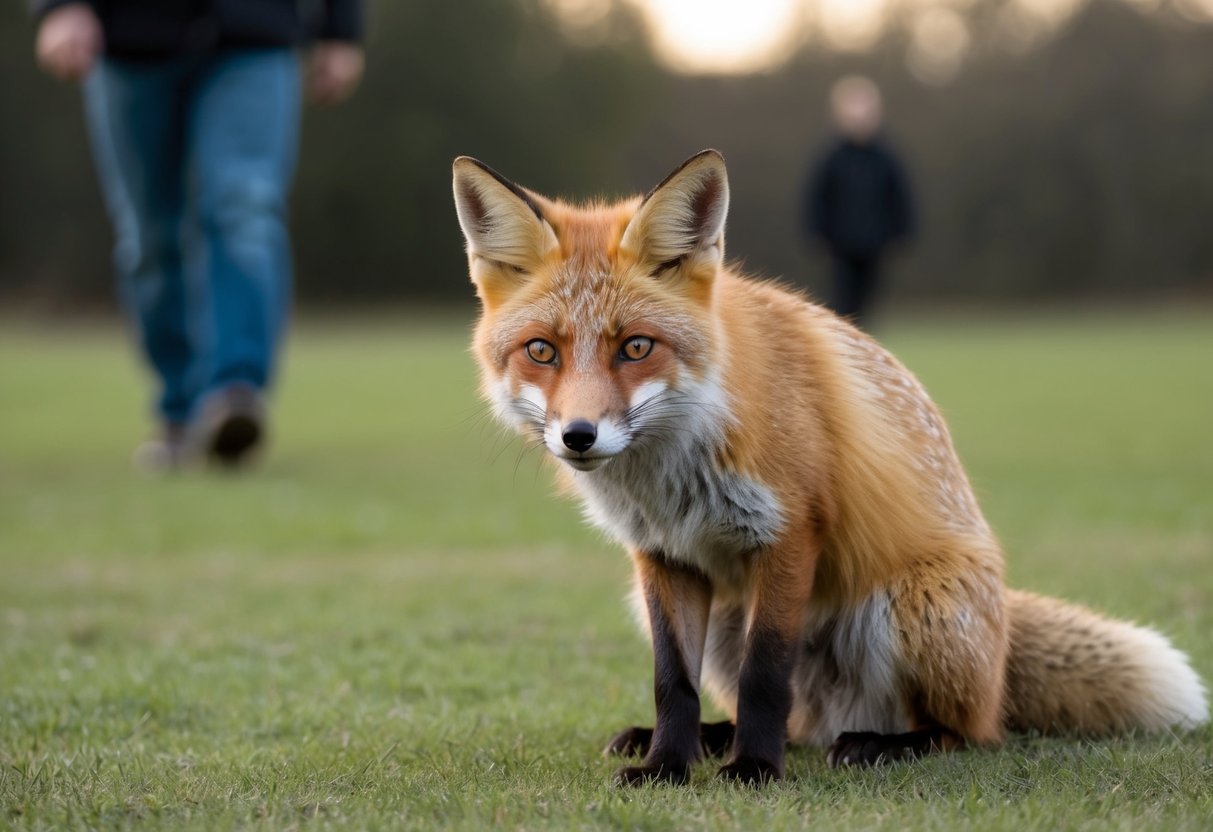
Foxes are generally shy creatures that prefer to avoid humans. Their behavior is influenced by their habitats and their nocturnal nature. Understanding how foxes react to human presence can help clarify concerns about their safety around people.
Understanding Fox Habitats and Nocturnal Activity
Foxes can be found in various habitats, including forests, grasslands, and urban areas. They are adaptable animals, able to thrive in both wild and city settings.
Often, you might spot them in your backyard as they search for food or shelter.
These animals are primarily nocturnal, meaning they are most active at night. This behavior not only helps them hunt for small animals like rodents but also keeps them out of sight from humans. Increased urban development has led foxes to search for food closer to human dwellings.
How Foxes Typically React to Human Presence
When you encounter a fox, the chances are they will be more curious than aggressive. Foxes are often cautious and prefer to keep their distance. They rely on their keen senses to detect threats from afar, which usually results in them retreating.
It’s rare for a fox to attack a human. Most incidents occur if a fox feels cornered or threatened. Their instinct is to flee rather than confront. The key is to respect their space and avoid feeding them, which can lead to unwanted proximity.
The Reality About Fox Aggression
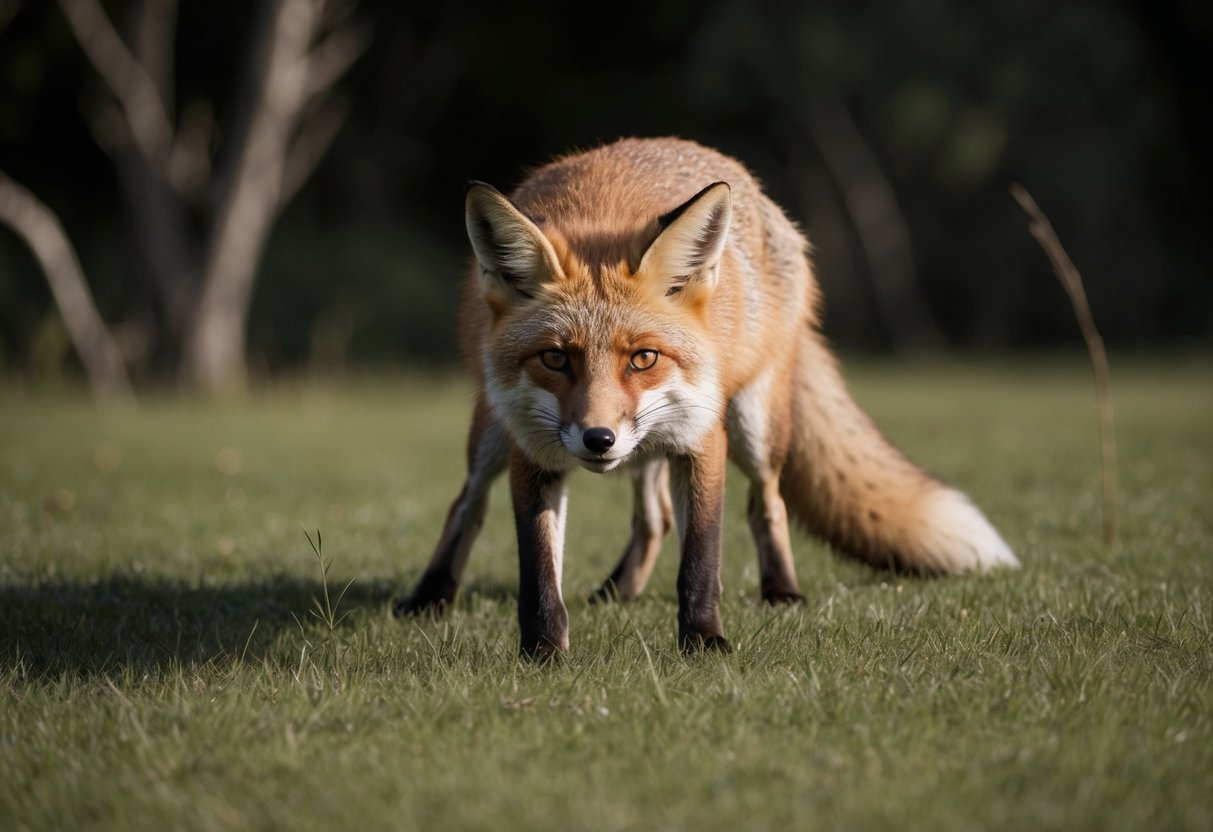
Foxes are generally shy animals that avoid contact with humans. While they can exhibit aggression in rare situations, understanding the risks related to foxes, especially concerning rabies, is important.
Rabies in Foxes and the Risks Involved
Rabies is a serious disease that affects the nervous system and can be transmitted to humans through bites or scratches from an infected animal. Foxes are known carriers of rabies, which can lead to unpredictable behavior.
The risk of encountering a rabid fox is higher in certain areas where rabies is more common.
If a fox seems unusually aggressive or has difficulty moving, it may be rabid. Such behavior poses a danger since rabid animals are more likely to attack. It’s crucial to keep a safe distance and report any suspicious behavior to local wildlife authorities.
Identifying Rabid Behavior and Safety Measures
Recognizing the signs of a rabid fox can help you stay safe. Look for symptoms like excessive drooling, disorientation, or aggression.
If a fox approaches you aggressively, it’s best to remain calm. Do not run away or corner the animal. Instead, make noise to scare it off.
If a fox bites you, seek medical attention immediately. Vaccination and treatment can prevent rabies from becoming life-threatening.
Always keep pets leashed and supervise them outdoors to avoid conflicts with wildlife.
Preventing and Managing Fox Encounters
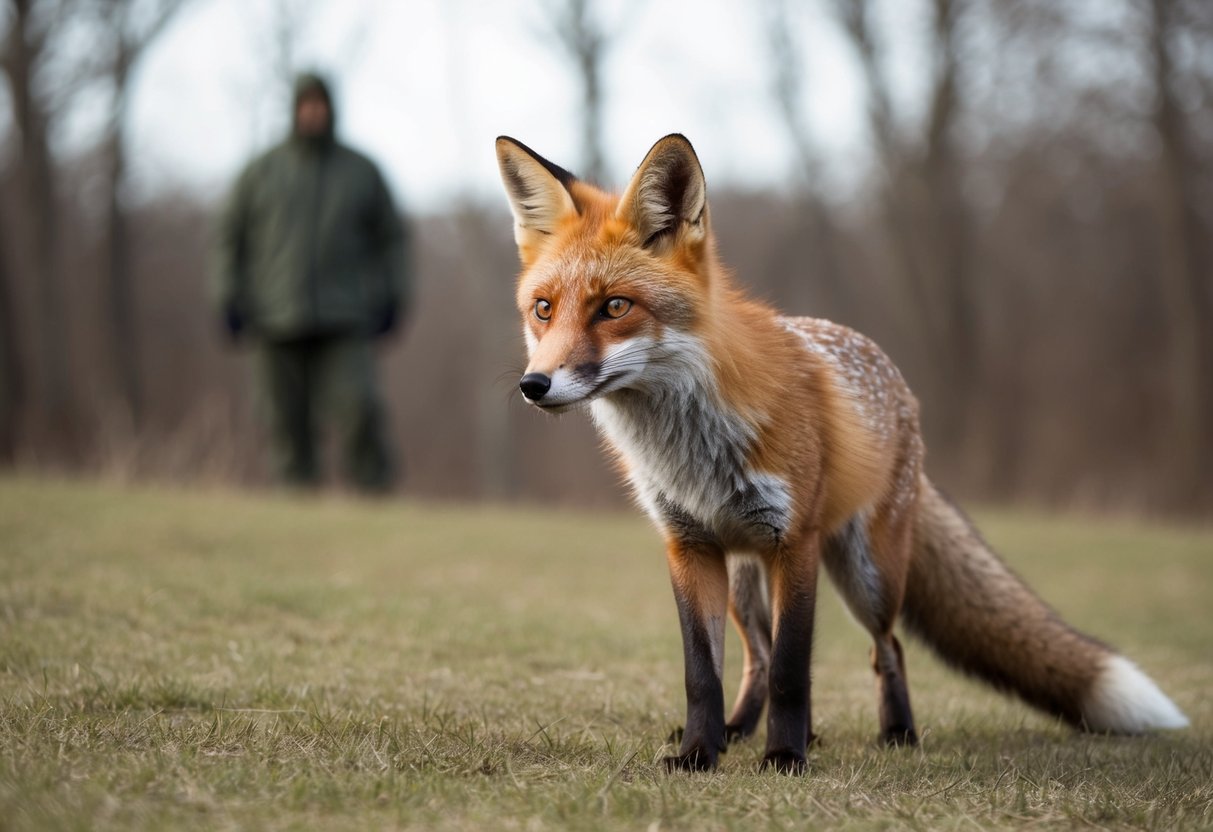
Fox encounters can be surprising, but you can take steps to avoid them and know how to react. Understanding how to live alongside these animals helps you stay safe and calm.
Should You Feed Wild Foxes?
Feeding wild foxes is not a good idea. When you feed them, they may come to rely on humans for food. This can lead to conflicts, especially if they start approaching people too closely.
If you want to enjoy foxes from a distance, it’s best to leave them alone. Keep your trash secure and do not leave pet food outside. Make sure your garden is protected to prevent attracting them.
By not feeding foxes, you encourage them to find their natural food sources, such as rodents. This helps maintain a healthy ecosystem and keeps foxes wary of human contact.
What to Do If You’re Confronted by a Fox
If you find yourself faced with a fox, stay calm. Most foxes would rather flee than confront a human. Avoid sudden movements that might startle them.
If the fox doesn’t run away, create some noise to encourage it to leave. Clap your hands or shout firmly. This can help prevent the fox from feeling cornered or trapped.
In rare cases where a fox seems aggressive, back away slowly. Do not turn your back or run, as this might provoke a chase. If the fox continues to approach, try to find a way to safely exit the area.
Protecting Pets and Local Wildlife

Ensuring the safety of your pets while considering local wildlife is important. You can take specific measures to protect your pets and understand how foxes interact with other animals in your area.
Precautions for Pet Owners
Keep pets indoors during the night. Foxes, like red foxes, are more active after dark. Bringing your pets inside can reduce the risk of encounters.
Use fencing. Ensure your yard has a secure fence to keep wild foxes out. A height of at least six feet can discourage them from jumping over.
Supervise outdoor time. When letting your pets outside, stay close and keep an eye on them. Small pets are more vulnerable to foxes, especially if they are seen as prey.
Be wary of illness. Watch for signs of rabid foxes in your area. A sick fox might act aggressively, increasing the risk to your pets and yourself. If you spot a fox acting strangely, it’s best to report it to local wildlife authorities.
How Foxes Interact with Other Local Wildlife
Foxes play a significant role in the ecosystem. They help control rodent populations by preying on animals like voles and mice. This can be beneficial for local farmers and gardeners.
Territorial behavior. Wild foxes may defend their territory aggressively, especially near dens with kits. If you have outdoor pets, be aware that a fox feeling threatened may react defensively.
Other predator interactions. Foxes often share their habitat with other predators, like coyotes. Understanding this can help you recognize that different wildlife interactions can occur.


