
If you’ve ever wondered how to keep foxes away from your yard or garden, knowing what scares them can be quite helpful. Foxes are generally shy and cautious creatures, and certain sounds, smells, and even human presence can make them feel threatened.
The key to deterring foxes lies in using methods that play on their natural instincts to avoid danger.
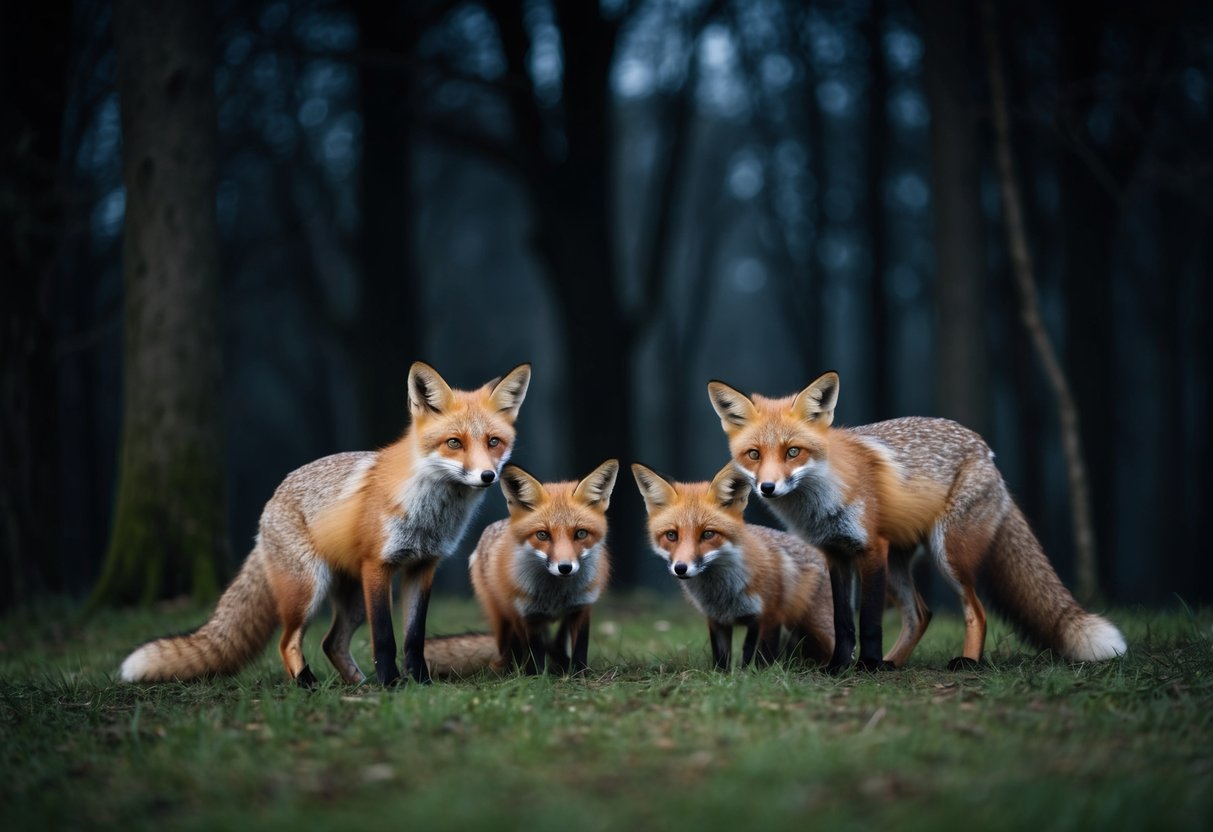
Yelling and loud noises can effectively scare foxes off, as they tend to flee from anything that suggests a threat. Additionally, certain scents that humans often find unpleasant can be particularly effective.
For instance, foxes dislike the smell of strong spices like pepper and other human odors, which makes them think twice about approaching your space.
Understanding these deterrents not only helps you enjoy your yard more but also provides a safe approach that respects wildlife. You can implement these strategies easily, and with a little effort, you’ll find that foxes are more likely to keep their distance.
Understanding Fox Behavior
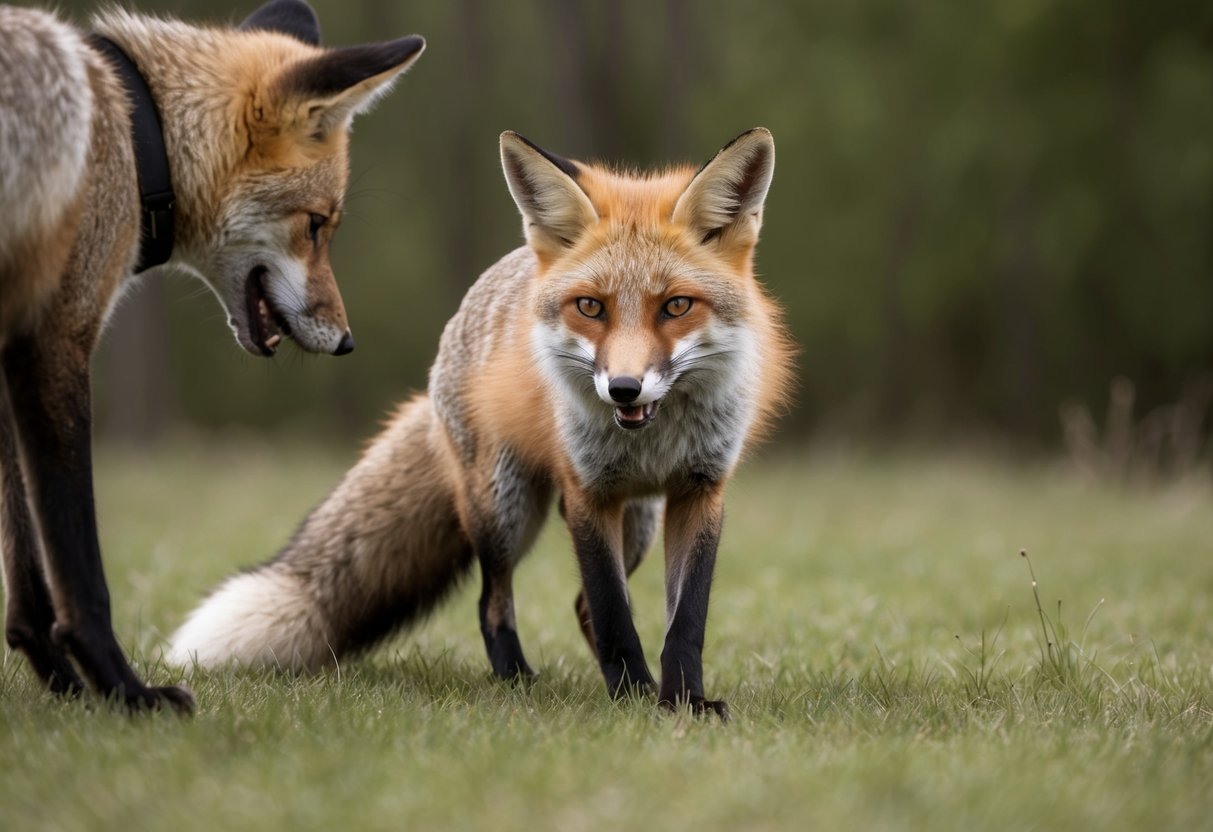
Foxes are fascinating creatures with unique behaviors shaped by their environment. To better understand them, it’s important to look at their natural habitat and diet. You should also know how they interact with humans and livestock, especially in urban areas.
Natural Habitat and Diet
Foxes adapt well to different habitats, including forests, grasslands, and urban areas. They thrive in places where they find cover and food. Urban foxes often scavenge for food scraps from trash or gardens.
Their diet mainly consists of small mammals, birds, insects, and fruits. In cities, they may enjoy leftovers from picnics or discarded takeout. This makes them quite adaptable, as they can survive on whatever food is available. Understanding what they eat can help you manage your environment better if you live near foxes.
Fox Interaction with Humans and Livestock
Foxes are generally wary of humans. They tend to keep their distance and avoid direct confrontation. In urban settings, they may become bolder, especially if food is easily found. This can lead to increased encounters.
It’s essential to be cautious if you have pets or livestock. Foxes may prey on small animals like chickens or rabbits. To keep your pets safe, secure your livestock in safe enclosures and avoid leaving food scraps outside. By being aware of their behaviors, you can create a more harmonious living space for both you and the foxes.
Effective Deterrents and Repellents

Keeping foxes away can be achieved with various methods. You can choose from chemical and natural repellents, physical barriers and fencing, or electronic devices. Each method has its strengths and helps to deter foxes effectively from your space.
Chemical and Natural Repellents
Using fox repellents can be a straightforward way to keep these animals at bay. Commercial fox repellent products often contain scents that foxes dislike. You can also use natural options like predator urine, which can be purchased online or at garden centers.
Applying vinegar around the perimeter of your garden is another effective option. Many foxes find its smell unpleasant. Regularly refreshing these repellents increases their effectiveness, so it’s best to reapply after rain or over time to maintain their deterrent effects.
Physical Barriers and Fencing
Creating physical barriers is one of the most reliable methods. Fencing your yard can prevent foxes from entering. Consider using hardware cloth as it is durable and difficult for foxes to dig through.
An electric fence can be even more effective if foxes are persistent. Install it at a height of about 30 inches, and make sure it’s well-maintained. This type of barrier not only protects gardens but can also safeguard pets from intruders.
Electronic and Ultrasonic Devices
Electronic devices can help you deter foxes effectively. Motion-activated lights are a great option. They startle animals and make your yard less inviting.
Ultrasonic devices are also worth considering. These emit high-frequency sounds that foxes find disturbing, yet they are inaudible to humans. Installing a combination of these devices can create an environment where foxes feel unsafe, encouraging them to leave your property for good.
Behavioral And Environmental Modifications
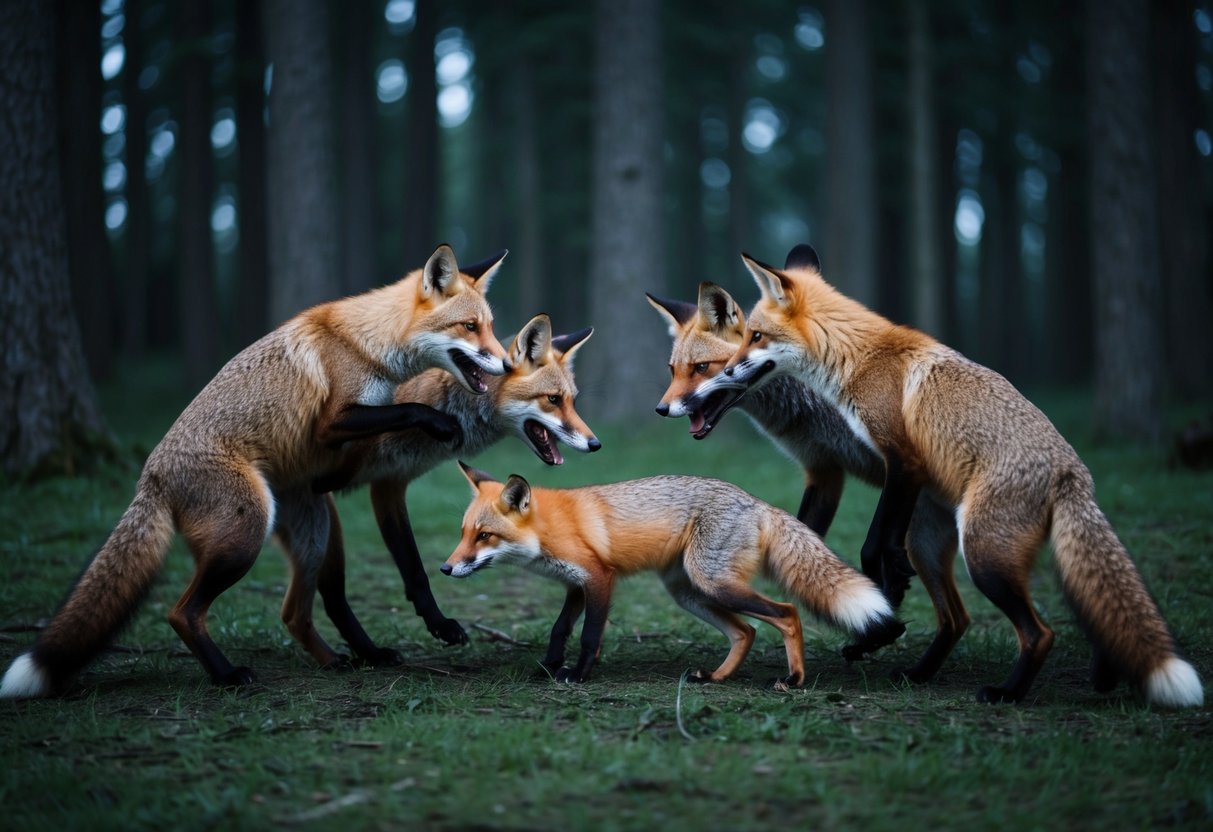
Making specific changes to your environment can help reduce the presence of foxes. By understanding their behavior and modifying their surroundings, you can keep them away while ensuring a balanced ecosystem.
Habitat Alteration Strategies
You can alter your yard or garden to discourage foxes from wandering into your space. Begin by removing dense brush, tall grass, or piles of debris where foxes might seek shelter. This will make your area less inviting.
Consider installing fences that are at least 6 feet high and buried a foot underground to prevent foxes from digging under. Finish off the fence with an outward curve at the top for added protection.
Using motion-activated lights or noise devices can also scare foxes away. They prefer darker, quieter environments and often shy away from lights and sounds that startle them.
Removing Attractants
To keep foxes away, it’s essential to remove any food sources. Clean up pet food and birdseed that might attract them. Store trash in secure containers with tight-fitting lids.
Pet waste should be cleaned promptly, as its smell can lure foxes. Also, avoid leaving compost piles exposed. While they might seem harmless, food scraps can attract these clever animals.
Consider planting fox-repelling herbs like lavender or rosemary around your garden. Their scent can deter foxes without harming the local wildlife. By managing these attractants, you make your space less appealing to foxes.
Visual and Auditory Scare Tactics
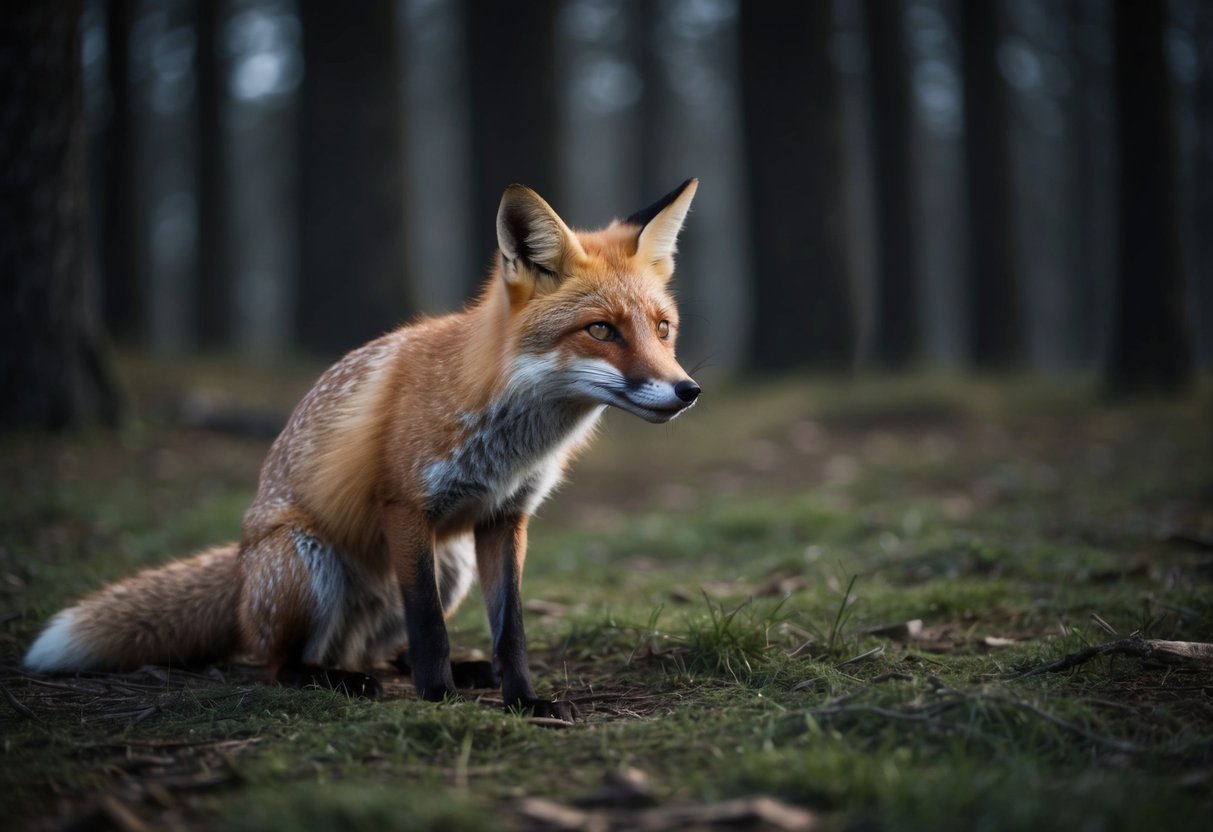
Using both visual and auditory tactics can effectively scare foxes and keep them away from your property. By implementing scare devices and utilizing noise and light, you can create an environment that is less appealing to these nuisance animals.
Implementing Scare Devices
Visual deterrents are a great way to frighten foxes. You can use items like realistic fox statues or reflective tape to create the illusion of rivalry. A fox may see the statue and think there is another fox in its territory.
Another effective tool is motion-activated sprinklers. When a fox approaches, the sudden burst of water can startle it away. You can also try bright lights or flashing LED lights which can disrupt their comfort level when exploring your yard. Having a mix of these devices can help ensure that foxes do not feel safe around your space.
Utilizing Noise and Light
Auditory scare tactics can also help in keeping foxes away. Simple actions like yelling or creating loud noises can make foxes think twice before venturing into your yard.
You can also play loud music or use a radio to mimic human conversation, which makes them feel uneasy.
Incorporating wind chimes can add a pleasant sound that frightens foxes at the same time. The random noises can be enough to deter them.
Together with visual methods, these sounds work well to create an environment where foxes prefer to stay away.


