
If you’re dealing with mice in your garden or outdoor space, you might wonder if having foxes around can help. Foxes are natural predators of mice and can indeed keep them away from your property. This can be a helpful way to manage unwanted wildlife without using harmful traps or chemicals.

By encouraging foxes to roam your area, you create a more balanced ecosystem. Foxes will seek out their prey, which includes mice and other small rodents that might disrupt your garden.
This can lead to healthier plants and fewer unwanted guests in your outdoor space.
Attracting foxes can also add a charming wild element to your environment. With their playful nature and beautiful appearance, they can be a delightful part of your garden’s wildlife scene. Whether you’re interested in wildlife conservation or simply want to protect your plants, understanding the role of foxes can benefit your outdoor space.
Understanding Fox Behavior and Diet

Foxes play an important role in the ecosystem as natural predators. Their diet and behavior significantly affect populations of smaller animals, including rodents. Understanding what these clever creatures eat and how they live can help you appreciate their impact on keeping unwanted pests away.
Fox Diets and Hunting Patterns
Foxes are omnivores, meaning they eat both plants and animals. Their diet mainly consists of small mammals like mice, rats, and rabbits. They are also known to eat birds, insects, and fruit when available.
When hunting, foxes use clever tactics. They stalk their prey quietly and often use their keen sense of hearing to detect movements underground.
This skill helps them locate rodents hiding in tall grass or beneath the snow.
Foxes usually hunt alone or with a mate. This solitary behavior allows them to cover more ground while searching for food. Their ability to adapt their diet based on availability helps them thrive in various environments, including urban areas.
Fox Territories and Den Habits
Foxes are territorial animals. They usually establish a specific territory where they find food and raise their young. A typical territory can range from a few acres to several square miles, depending on the availability of resources.
Foxes create dens, which are crucial for raising their cubs. A den typically consists of tunnels and chambers dug into the ground. They often use these dens for shelter and safety, especially during the breeding season.
Territory marking is essential for foxes. They use urine and feces to signal their presence to other foxes. This helps them avoid conflicts and maintain a balance in their habitat. Understanding these behaviors can help in managing their interactions with humans and other wildlife.
The Role of Foxes in Pest Control
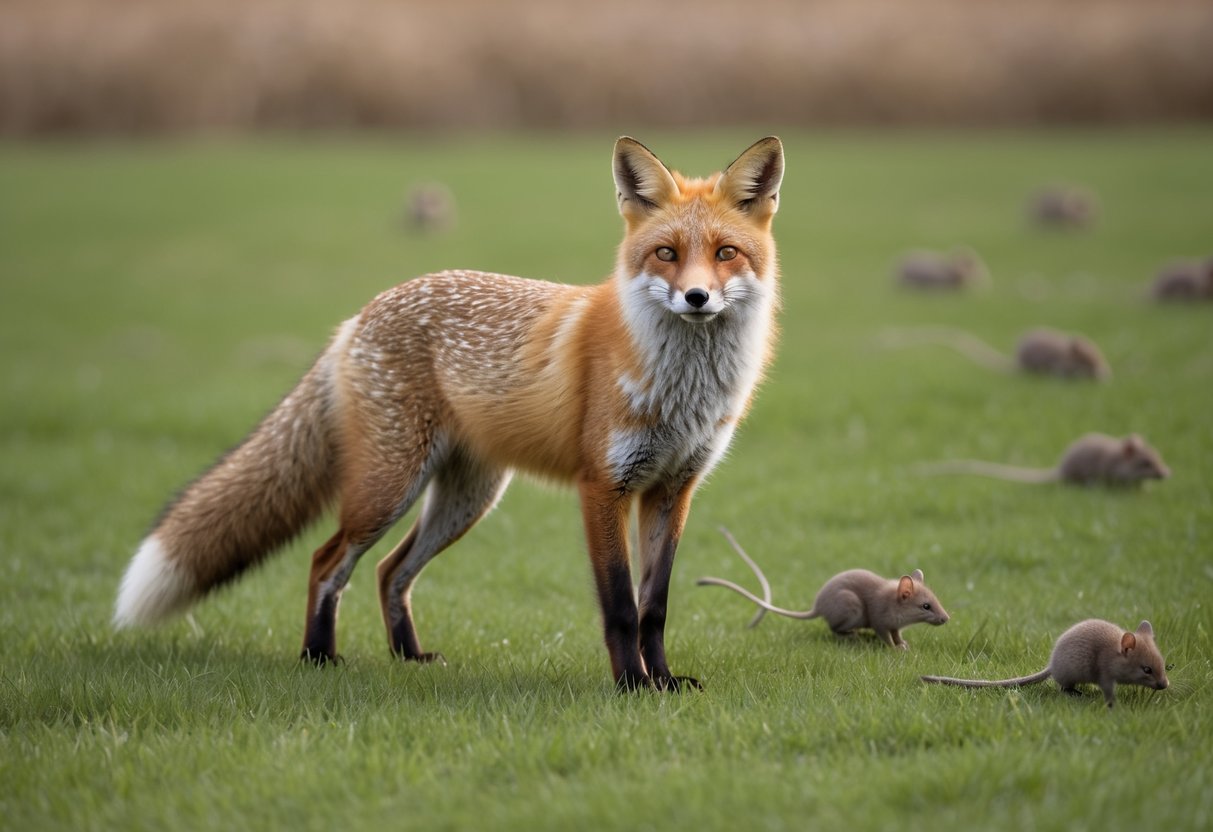
Foxes can play an important part in keeping your yard free from certain pests. They naturally hunt small animals, which includes mice, squirrels, and rabbits. Knowing how foxes affect these populations can help you understand their role in the ecosystem.
The Impact of Foxes on Mouse Populations
Foxes are effective hunters and can significantly reduce mouse populations in your area. Their presence alone can act as a natural deterrent. Mice have a strong survival instinct, often avoiding areas where they sense predators are nearby.
Utilizing predator urine, like that from foxes or coyotes, can help mimic their presence, making mice think twice about entering your property. When foxes roam your area, they create a natural balance by keeping mouse numbers in check, which can help solve your mouse problem without harmful chemicals.
Comparing Foxes to Other Natural Predators
While foxes are a great option, other predators also contribute to pest control. For instance, hawks and owls are effective at controlling small rodent populations but operate differently.
Foxes hunt on the ground and are more active during twilight and nighttime, making them skilled at catching mice.
In areas where foxes are present, you may notice a decrease in various pests, like rabbits and squirrels. This combination of natural solutions can be beneficial for your garden. If you are looking for a natural mouse repellent, encouraging foxes to hang around might be just what you need.
Alternative Methods to Keep Mice Away

If you’re looking for ways to keep mice at bay, there are several effective alternatives. Using scents and natural repellents can deter mice from entering your home. Additionally, physical barriers can help prevent their access.
Using Scents to Repel Mice
Strong scents can be a powerful tool in repelling mice. You can use fox urine, which is known to scare them away due to the presence of a predator’s scent. You might find this at gardening stores or online.
Essential oils are also effective. Try using peppermint oil, clove oil, or eucalyptus oil. A few drops on cotton balls placed in key areas can create an aroma that mice dislike.
Other options include using cayenne pepper, garlic, and cinnamon. Sprinkling these around entry points can deter mice. You can even mix vinegar and water as a spray to keep mice away.
Natural Repellents and Physical Barriers
You can use physical barriers to keep mice away. Sealing cracks and gaps in walls, windows, and doors is crucial. Consider using steel wool to fill holes, as it is more difficult for mice to chew through.
You can also use dryer sheets. Placing them in areas where you’ve seen mice can help keep them at bay with their strong scents.
Natural repellents like tea bags filled with black pepper or citronella can also be helpful. These methods are safer for your home and environment, allowing you to discourage mice without harmful chemicals.


