
When it comes to wildlife in the UK, many people wonder about the status of foxes and whether they are considered vermin. Foxes are not legally classified as vermin in the UK, which surprises a lot of folks. This distinction plays a vital role in how these animals are treated and managed in both rural and urban settings.
You might hear differing opinions from farmers and landowners who sometimes view foxes as pests. Understanding the legal framework will help you see why this perception exists, even when it doesn’t align with the law. Exploring the myths and facts about foxes will give you valuable insights into their role in the ecosystem and their relationship with humans.
Let’s dive deeper into the topic and clarify any misconceptions you may have about these smart, adaptable creatures that roam the countryside and cities alike.
Legal Status and Definitions
Understanding the legal status of foxes in the UK involves looking at the definitions of vermin and pests, relevant legislation, and how these laws apply to foxes. This knowledge helps clarify how foxes are treated under UK law.
Defining Vermin and Pests
In the UK, “vermin” typically refers to animals that are considered harmful to crops, livestock, or human health. This can include rats, mice, and certain birds. However, there is no formal legal definition of vermin.
Pests, on the other hand, are usually defined as any unwanted species that may cause damage or spread disease. This includes a wide range of animals, but not all pests are classified as vermin.
Foxes have often been labeled as pests in some discussions, though legally they do not fall under the category of vermin. This distinction is crucial in various wildlife management practices and pest control efforts.
Overview of Relevant Legislation
Several key laws govern the status of wildlife in the UK. The Animal Welfare Act 2006 ensures that all animals, including foxes, are treated humanely. This law emphasizes the obligation to avoid unnecessary suffering.
The Wild Mammals (Protection) Act 1996 offers protection to all wild mammals, including foxes, from cruel treatment. This law makes it illegal to intentionally harm or kill wild mammals without a good reason.
Additionally, the Hunting Act 2004 restricts hunting foxes with dogs in England and Wales. This reflects a growing recognition of animal welfare and the need to protect certain species from traditional hunting methods.
Foxes and the Law
Despite some beliefs, foxes are not classified as vermin under UK law. They are wild mammals and protected by various legislation. This means you cannot indiscriminately harm or kill them.
In England and Northern Ireland, it is legal to snare foxes, although this method is controversial and subject to change. The recent ban on snares in Wales highlights shifts in public opinion regarding wildlife management.
These legal frameworks aim to balance pest control with animal welfare. As you navigate fox-related issues or conflicts, knowing these laws will help you make informed decisions while respecting wildlife rights.
Fox Populations in the UK
Fox populations in the UK are fascinating and complex. Red foxes thrive in various habitats and show different behaviors in urban settings. Understanding their challenges and role in the ecosystem is essential for appreciating these native species.
Red Fox Habitat and Distribution
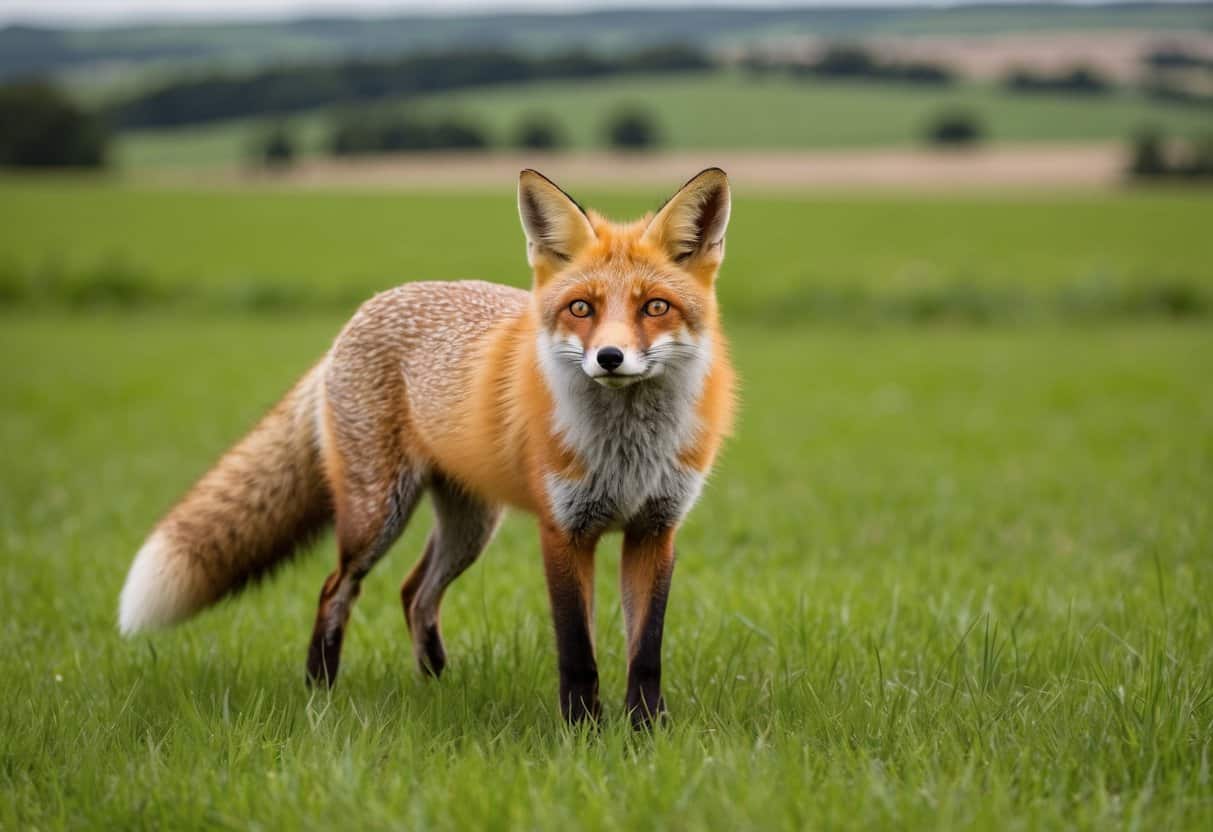
Red foxes are adaptable creatures found in diverse habitats across the UK. You’ll see them in woodlands, grasslands, and even coastal areas. They also make themselves at home in urban environments, where food is often more accessible.
The current estimated population of red foxes is around 375,000. Many of these foxes live in towns and cities, where they can scavenge for food. Although not legally considered pests, they face threats like road accidents, with nearly 50% of the population affected.
Urban Fox Challenges
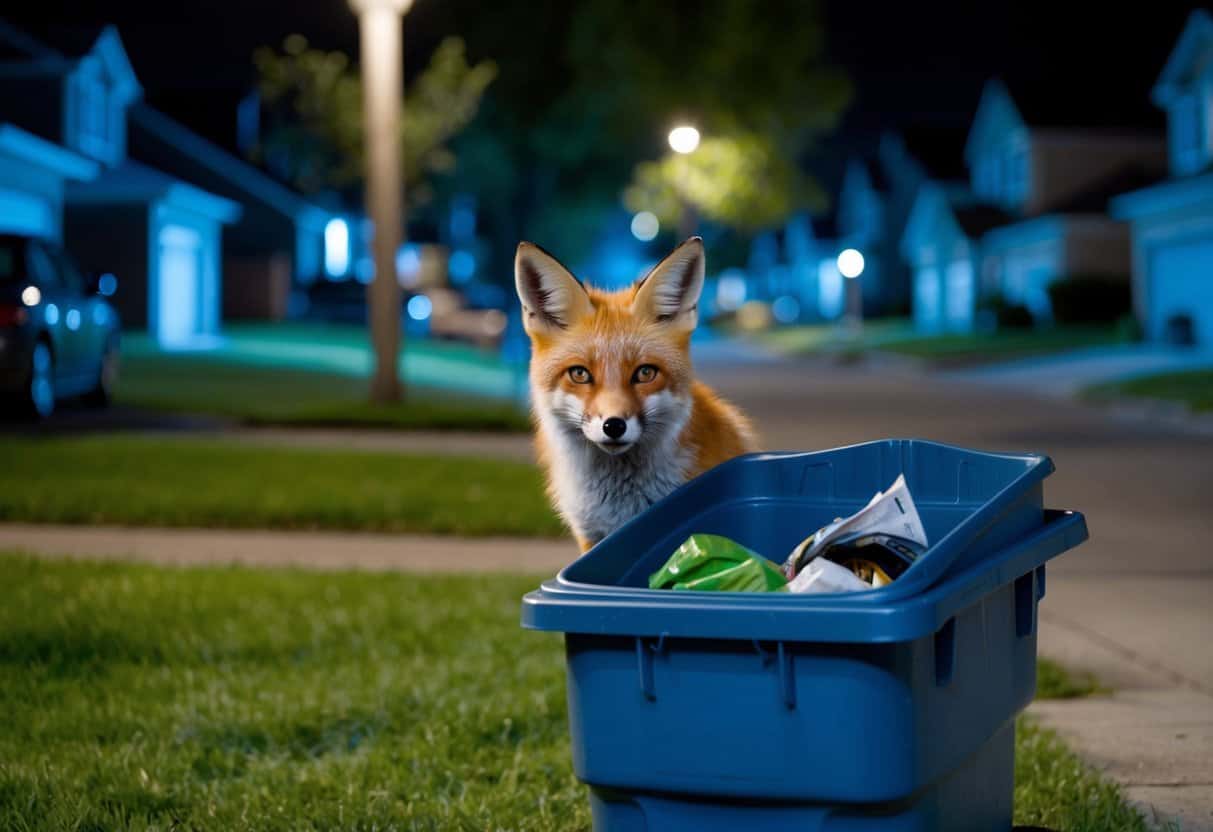
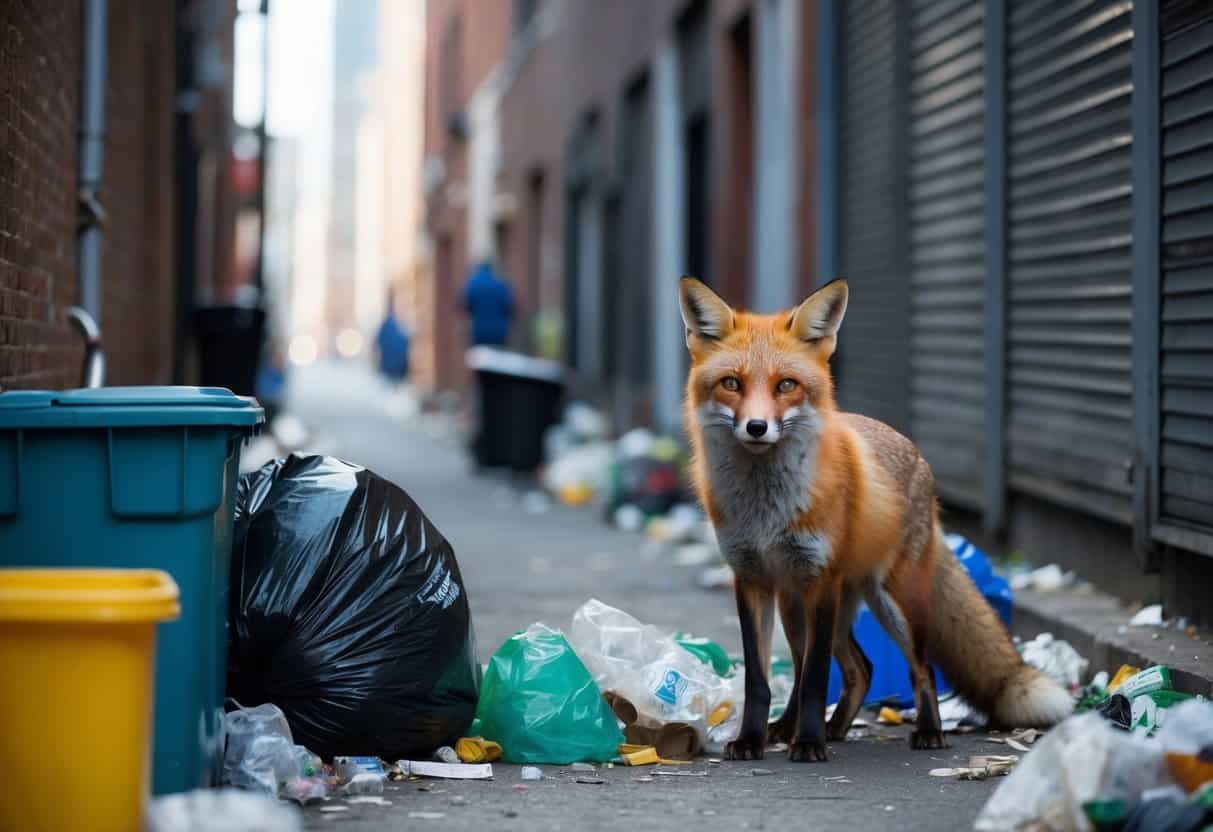
Urban foxes face unique challenges compared to their rural counterparts. Living in towns means navigating traffic, noise, and human activities. They often rummage through bins for food, leading to conflicts with people.
Many residents view fox behaviors, like digging and making noise at night, as nuisances. Though foxes contribute to controlling small animal populations, residents might opt for humane deterrent methods rather than harmful solutions. Balancing coexistence is essential for maintaining harmony in urban areas.
Foxes and Ecosystem Balance
Foxes play a crucial role in the ecosystem, helping to manage populations of small mammals and birds. By doing so, they help maintain a balanced environment. While some view them as vermin, they are not legally classified as such and contribute positively to biodiversity.
Other species, like grey squirrels, can also affect ecosystems, but foxes’ predatory habits help keep these populations in check. By supporting healthy ecosystems, foxes ensure the survival of various native species. You can appreciate how these remarkable animals influence their surroundings and maintain the natural balance in both rural and urban settings.
Control and Management Practices
When managing fox populations, it’s essential to prioritize humane and legal methods. Understanding the different practices helps ensure safety for both humans and wildlife while maintaining balance in your local environment.
Humane Methods of Control
You can use several humane methods for controlling fox populations. The preferred option is using non-lethal techniques such as fox repellents. These can deter foxes from your garden or property without harming them.
Another effective strategy is habitat modification; keeping gardens tidy and securing trash can discourage foxes from visiting.
If population control is necessary, you can consider relocation or professional pest controllers who follow legal and ethical guidelines. They may use methods such as trapping and safely transporting foxes to new areas. Always ensure that any method you choose complies with local laws.
Prohibited Practices
Certain practices for controlling fox populations are illegal and should be avoided. For instance, using dogs to hunt foxes is currently prohibited in the UK. This law protects both foxes and the welfare of the dogs involved.
Additionally, the use of self-locking snares is also banned because of the potential harm they can cause to target and non-target animals. It is crucial to stay informed about current regulations, as improper methods can lead to legal penalties and unintended harm to wildlife.
Wildlife Licences and Regulations
When controlling foxes, you often need to follow specific laws and guidelines. In the UK, wildlife licenses govern how and when certain control methods can be used.
This includes guidelines on the use of licensed firearms for fox control, which must be executed by trained and qualified individuals.
All pest controllers should be aware of these regulations to ensure their activities are compliant. If you are unsure, consulting local wildlife management authorities can clarify which methods are legal in your area. Always prioritize responsible and humane practices when managing fox populations.
Ethics and Welfare Considerations
Understanding the ethics surrounding foxes in the UK involves recognizing their sentience and how public perceptions influence treatment. Considering laws that protect these animals is crucial for fostering compassion and addressing wildlife crime related to fox hunting.
Respecting Animal Sentience
Foxes are sentient beings capable of experiencing pain and suffering. The Animal Welfare Act 2006 provides a framework for their protection. This law aims to prevent unnecessary suffering and requires that wild animals be treated with respect.
In practice, this means that any actions affecting foxes, whether through hunting or other means, should consider their well-being. Public awareness of foxes’ capacity for suffering can encourage more humane treatment. When you respect their needs, you promote better coexistence between humans and wildlife.
The Role of Public Perception
Public perception significantly impacts the treatment of foxes. Many people wrongly view foxes as pests or vermin, promoting harmful practices like fox hunting. This negative viewpoint can lead to wildlife crime, which undermines existing protections.
Education is key to changing these perceptions. Sharing accurate information about fox behavior and their ecological role can help people appreciate their value.
As you engage with your community, promote the idea that respecting foxes contributes to ethical wildlife management and reduces unnecessary harm.


