
Ever caught your dog staring at a random spot or digging somewhere odd in your house? You might start wondering—can dogs really smell rats? Dogs have an incredible sense of smell and sharp hearing, so they usually pick up on rats nearby before we do.
They don’t always catch rats the way cats sometimes do, but their instincts definitely help them notice these sneaky visitors.

Your dog’s behavior often gives you hints about a rat problem before you spot it yourself. Maybe they bark, scratch at the walls, or just won’t stop focusing on one area.
They’re not just being weird—chances are, their nose or ears picked up something tiny and sneaky. If you pay attention to these signals, you might catch a rat issue early and save yourself some trouble.
It’s kind of nice knowing your dog can sense rats. With just a bit of attention to what they’re doing, you might find out there’s a problem and deal with it before it gets worse.
Your dog isn’t just a buddy—they’re actually helping keep your home safer.
Can Dogs Smell Rats?

Dogs have a crazy-strong sense of smell, so they can detect hidden animals like rats. When your dog catches the scent of a rat, you’ll probably notice changes in their behavior.
Some dogs get hyper-focused, curious, or even ready to chase.
How a Dog’s Sense of Smell Works
A dog’s nose has up to 300 million scent receptors. That’s wild compared to what we’ve got.
This lets them notice faint odors, like a rat hiding under the house or out in the yard.
Dogs use scent to figure out what’s going on around them and to find animals. They can track rat trails by sniffing out urine, droppings, or just the rat’s body odor.
Their brains work with their noses to pick apart different scents. So not only do they notice a rat, but they can usually figure out where it’s hiding or moving around.
Typical Dog Reactions to Scenting a Rat
When a dog smells a rat, you might see them sniffing the ground more than usual or suddenly going on high alert.
Some dogs quietly track the scent, while others will bark or try to chase after it.
Terriers, for example, have strong hunting instincts. They’ll often try to catch or scare away rats.
Other dogs might just watch from a distance, more curious than anything.
If your dog manages to catch a rat, keep an eye out. Rats can bite, and some carry diseases that could hurt your pet.
It’s smart to keep your dog safe while letting them use their natural skills to sniff out rodents.
Want to read more? Check out dogs’ ability to sense rats by smell.
Training Dogs to Detect Rats
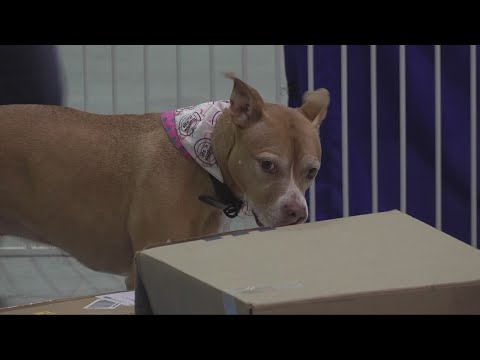
Training your dog to find rats taps into their instincts and their sharp noses. Some breeds just have a bigger drive for hunting rodents, which makes training easier.
You can even try barn hunt events or indoor rat-tracking games to boost your dog’s skills and keep things fun.
Rat-Hunting Breeds and Their Instincts
Breeds like terriers and spaniels seem born to chase and find rats. People bred these dogs for generations to hunt small rodents.
Their curiosity and strong prey drive make them fast learners when it comes to rat detection.
You don’t absolutely need a specific breed, but Jack Russell Terriers, Border Terriers, and Cocker Spaniels usually do really well.
They use those powerful noses—remember, about 300 million scent receptors—to sniff out where rats are hiding.
If your dog isn’t a natural hunter, you can still teach them to recognize the scent of rats.
Start out in a controlled area with rat scent samples or safe rat enclosures. Give clear commands and use treats or praise to encourage your dog’s interest and alertness.
Barn Hunt Competitions and Urban Ratting
Barn hunt has become a pretty popular sport for dogs and their people. In this game, your dog hunts for live rats that stay safe inside straw bales or tubes.
You’ll teach your dog to sniff out the rats and signal you. Some dogs bark, others paw or sit—every pup has their own style.
The structure of barn hunt really pushes you and your dog to work together. It’s a fun way to build communication and trust.
Urban ratting works in a similar way, but you do it indoors. Rats stay tucked away in PVC tubes scattered around a room or building.
You don’t need a barn or big outdoor space for urban ratting, which is honestly a relief for city folks. Classes usually focus on reading your dog’s signals and moving fast to find the rats.
Both activities make sure the rats stay safe, and your dog learns to stay controlled when they find one. If you’re curious, you can check out local groups that offer training or urban rat race classes.


