
If you’ve got rats around—or you’re just wondering where they tend to hide—figuring out their favorite nesting spots is pretty important.
Rats usually build nests in dark, quiet corners where they feel safe and can find food nearby.
You’ll find these spots inside your home, like attics, walls, or under floorboards. They also like outdoor hideouts such as under sheds or in thick plants.
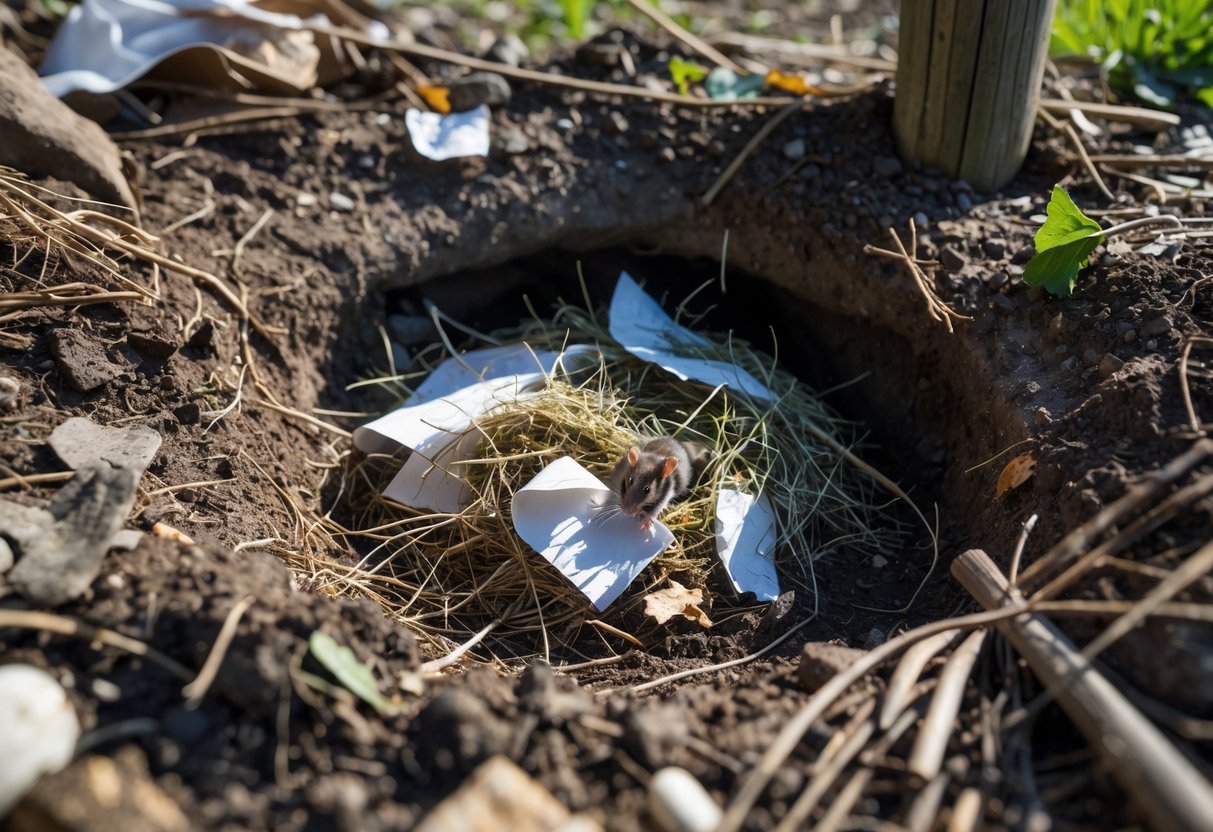
You probably won’t notice nests at first because rats stay out of sight.
They use surprising things—shredded paper, old fabric, and whatever plant debris they can find—to make messy, soft nests that keep them warm and hidden.
Learning about their favorite spots can help you notice signs early and do something before things get out of hand.
In this article, you’ll see where rats commonly set up shop and what to watch for if you’re checking around your home or yard.
If you want a deeper dive on rat nests and how to spot them, check out this guide on rat nest identification and removal.
Typical Rat Nesting Locations Indoors and Outdoors

Rats pick places with warmth, shelter, and easy access to food and water.
They build nests in hidden corners where they can stay safe and raise their families.
These areas let them stay out of sight while caring for their young.
Attics, Roofs, and High Spaces
Attics and roof spaces attract rats because they’re warm and quiet.
Brown rats (Norway rats, too) love building nests up there.
They grab insulation, shredded paper, and even bits of fabric to make their cozy hideouts.
You might spot chewed holes in the roof, rat droppings, or hear scratching noises when the house is quiet.
Rats sometimes nest in gutters, under loose tiles, or beneath eaves.
Since these places are tricky to reach, it’s a good idea to check them now and then.
Wall Cavities and Ceilings
Rats can squeeze through tiny holes and get inside wall cavities.
These dark, protected spots make perfect nesting areas.
You’ll sometimes find nests between walls, inside cavity walls, or above ceilings.
Watch for gnaw marks, little holes in drywall, or droppings near these openings.
Rats drag in soft stuff like shredded paper and fabric to build nests inside your walls.
These nests let them move from room to room without anyone noticing.
Basements, Crawlspaces, and Under Appliances
Basements and crawlspaces give rats cool, sheltered places for nesting.
They dig burrows or build nests here, especially if there’s food or water close by.
Inside, rats often hide under appliances—think refrigerators or washing machines.
Look for chewed wires, holes in floors or walls, and rat droppings.
Brown rats especially love burrowing, so you might notice small holes or tunnels in dirt or cluttered spots.
Keeping these areas tidy and checking for entry points helps a lot.
Gardens, Yards, and Outdoor Burrows
Outside, rats build nests in gardens, yards, and under piles of debris.
They dig burrows near building foundations or hide under wood and rubbish piles.
You might see rat holes or tunnels in the soil, leading to nests lined with plant matter or shredded stuff.
Trees and overgrown bushes give rats extra cover for their nests.
Since rats need water, they’ll sometimes nest near ponds or other outdoor water sources.
If you keep your yard clean and clear out debris, you’ll lower the chances of rats nesting nearby.
For more on where rats nest inside and out, check out this guide on typical rat nesting places.
How to Identify and Address Rat Nests

Knowing what to look for helps you spot a rat nest fast—before things get worse.
Rats use certain materials for their nests, and you’ll see clues like droppings or chewed spots near where they’re hiding.
Taking action right away really matters for your health and your home.
Common Materials Used for Nest Building
Rats love soft, shredded stuff for their nests.
Look for piles of torn paper, fabric, insulation, cardboard, or plant debris.
Inside, nests hide in attics, behind walls, or in cluttered corners where these materials pile up.
Outside, rats grab grass, straw, and twigs for nests in bushes, under decks, or near woodpiles.
The nests usually look messy and stay tucked away in dark, quiet places.
You might spot disturbed clutter or scattered nesting bits around the area.
Key Signs of an Active Rat Nest
Fresh rat droppings around a nest mean it’s active.
These pellets are small, dark, shiny, and about half an inch long.
Gnaw marks on wood, wires, or food packages show where rats chew to keep their teeth from getting too long.
Listen for scratching or scurrying, especially at night.
Sometimes you’ll notice a strong, musky smell from rat urine near the nest.
If you spot these signs near nesting materials, you’re probably dealing with rats.
Health Risks and Associated Diseases
Rat nests bring health risks because rats can carry diseases like leptospirosis.
This disease spreads through their urine and droppings.
Touching contaminated surfaces or water puts you at risk.
Rats also bring fleas and ticks, which can spread other infections.
It’s best not to touch droppings or nests with your bare hands—clean up carefully.
Keeping rats away helps protect your family and lowers the risk of disease.
Rat Control and Professional Pest Solutions
If you want to control rats, start with traps. Place them close to nests or along the paths where you spot droppings or notice gnaw marks.
Try using peanut butter or dried fruit as bait. Rats can’t seem to resist those.
When things get out of hand, calling a professional pest control company makes a lot of sense. The experts will track down every nest and actually remove the rats for you.
They’ll also seal up any entry points, which keeps new rats from sneaking in. Honestly, dealing with the problem early can save you a lot of trouble—and probably your peace of mind too.
For more tips, check out this guide on rat nest identification and safe removal.


