
Ever wonder if rats can smell you? Well, they definitely can.
Rats have a much sharper sense of smell than we do, and they’ll pick up your scent from the air or off anything you’ve touched. Their noses help them get around, dodge danger, and even notice if you’ve been hanging out near their hiding spots.
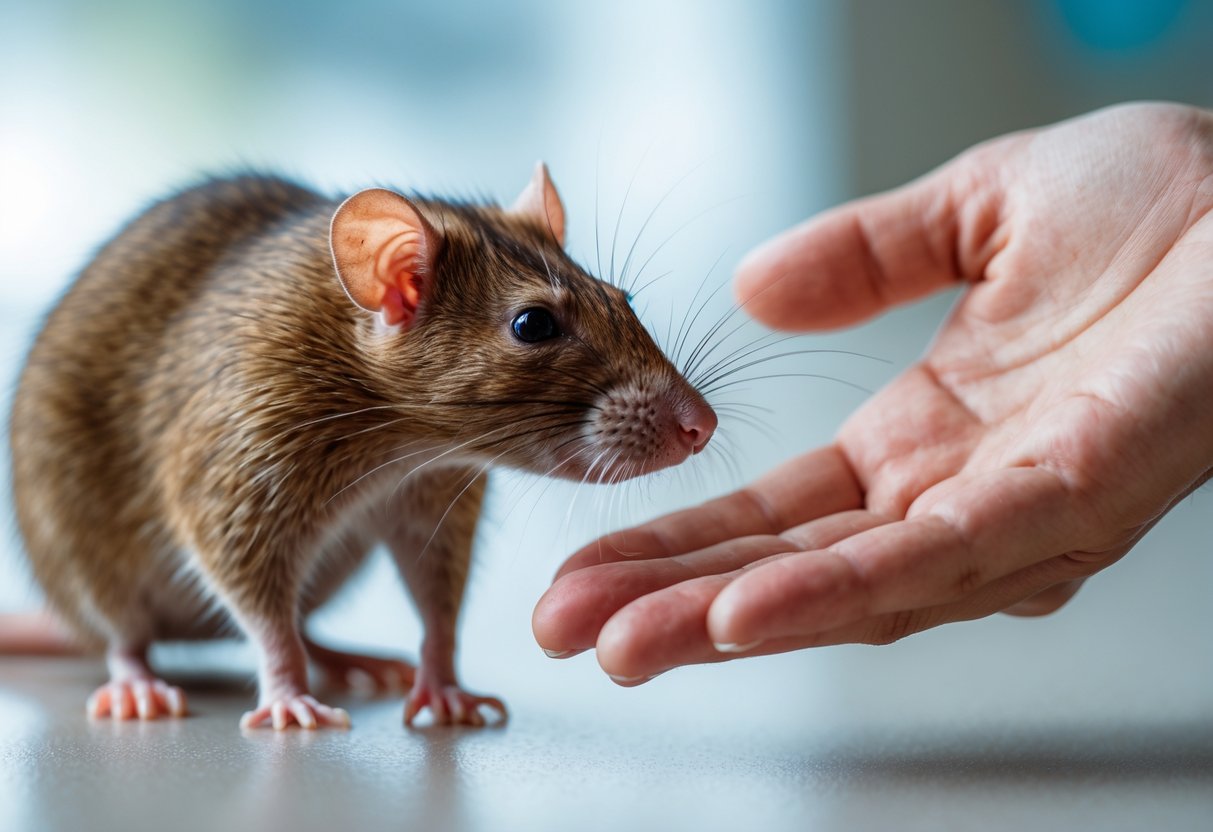
If you’re curious about why some traps never seem to work or why rats act so skittish around people, it’s usually because they’ve already smelled you. Understanding how rats use their noses can help you figure out what’s really going on.
How Rats Smell Humans
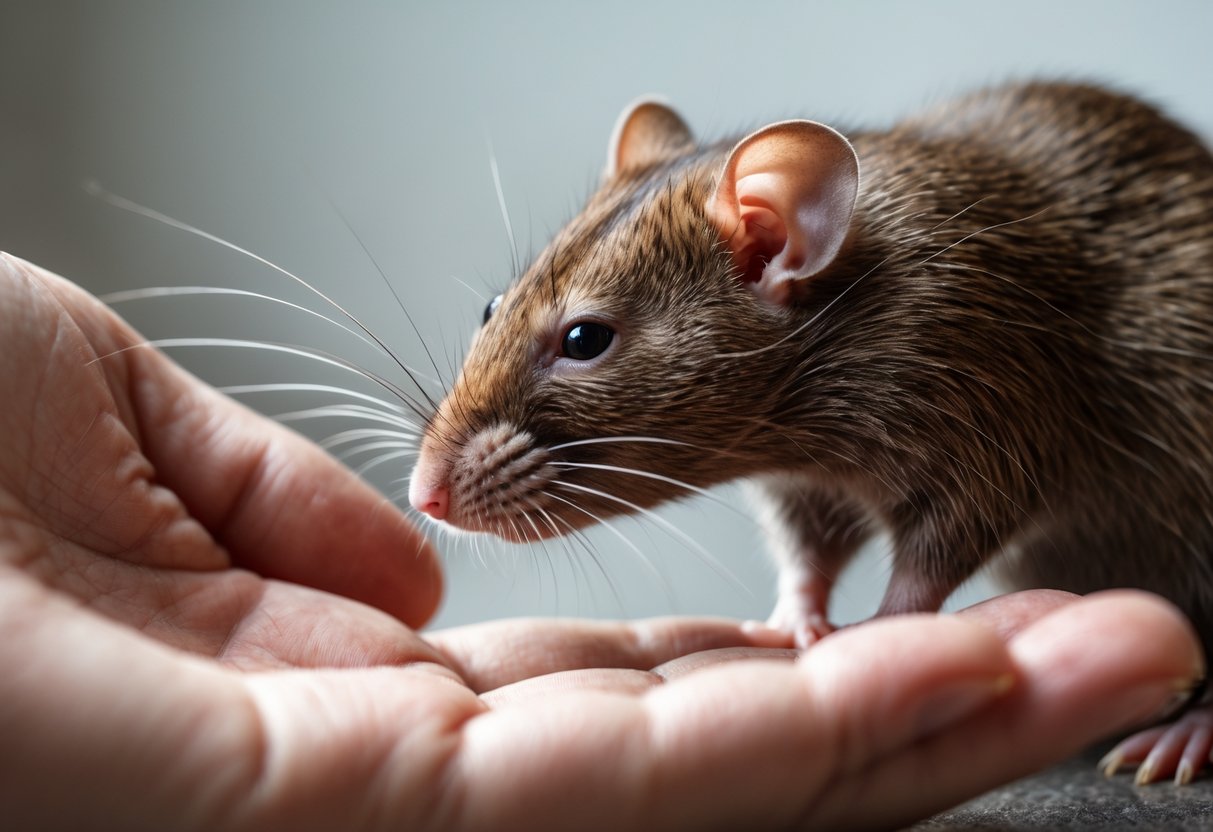
Rats rely on their powerful sense of smell to notice people. They sniff out tiny scent traces in the air or on stuff you leave behind.
This ability helps them decide if they should stay hidden or check things out.
Detection of Human Scent
You leave a personal scent everywhere—sweat, skin cells, and all sorts of body chemicals. Rats pick up on these smells because their noses are just that sensitive.
They sniff the air or surfaces where you’ve been. Even a faint whiff of your scent can tip them off that you’re around.
Since rats smell way better than we do, they’ll notice you before you spot them. Good luck sneaking up on one.
Olfactory Mechanisms in Rats
Your scent goes straight to special spots inside a rat’s nose that pick up smell molecules.
When a rat sniffs, air brings these molecules to those sensitive areas. The smell receptors in there sort out the odors.
Rats can figure out where a scent is coming from and how strong it is. That helps them decide if it’s safe to be near you or not.
Role of Olfactory Neurons and Cilia
Millions of olfactory neurons fill a rat’s nose. These nerve cells grab odor molecules and send signals straight to the brain.
Each neuron has little hair-like cilia. Odor molecules stick to the cilia, setting off a reaction that helps the rat know what it’s smelling.
This setup lets rats react fast to changes in scent, like if you’re nervous or trying to hide. The cilia and neurons give them a detailed map of the smells around them—including yours.
You might not notice your own scent, but rats sure do.
If you want to dig deeper, here’s a page on rat olfactory mechanisms.
Specialized Smell Organs and Chemical Communication
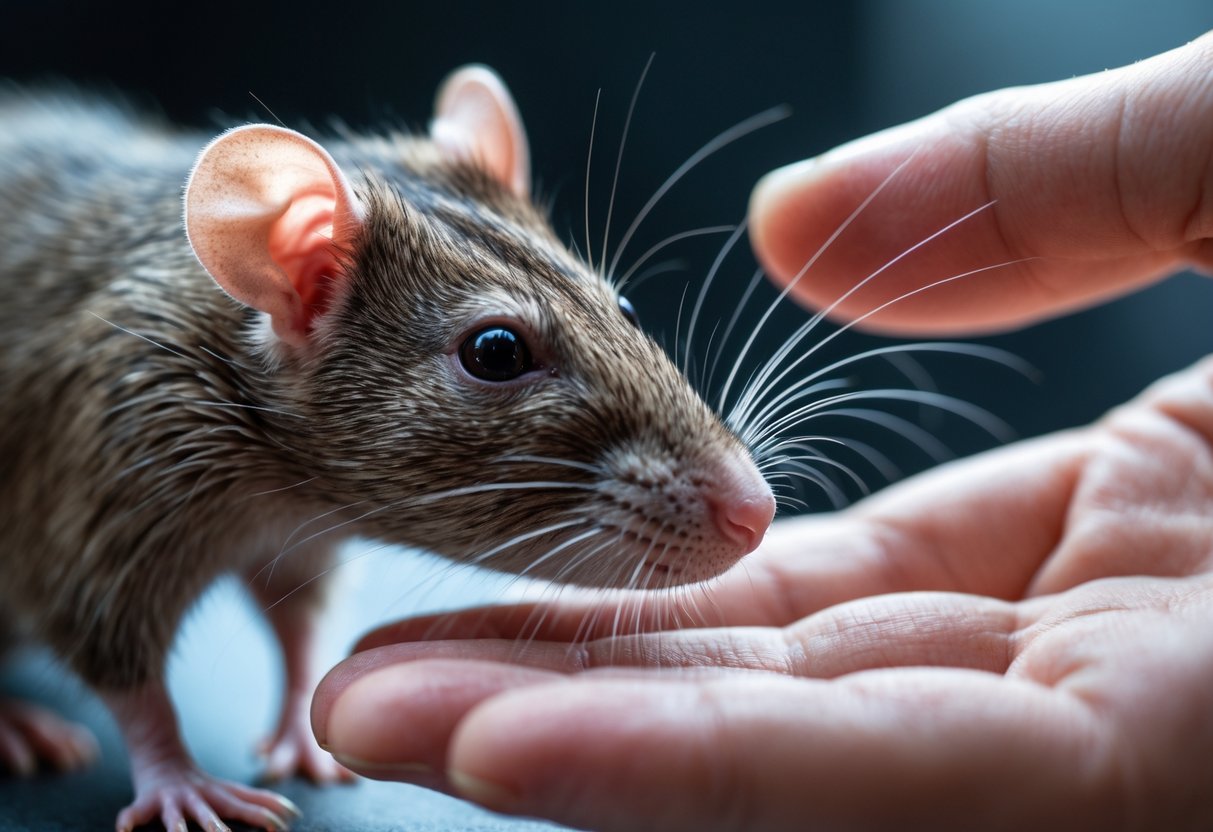
Rats come equipped with special smell organs that let them sense things we can’t. These organs pick up chemical signals floating in the air, guiding how rats act and communicate.
Vomeronasal Organ and Its Function
The vomeronasal organ, or VNO, sits inside a rat’s nose. It’s not the main smelling part, but it’s super important. The VNO picks up chemical signals called pheromones.
Those signals send messages about other rats—like who’s a friend, who’s a rival, or who’s ready to mate. When pheromones reach the VNO, it fires off info to the brain areas that handle social behavior and emotions.
This little organ helps rats make sense of their world and figure out when to approach or when to warn their buddies. Without the VNO, they’d have a tough time reading the room.
Pheromones and Scent Signals
Rats use pheromones as a kind of secret language. These aren’t just regular odors—they’re like coded messages about who they are, where they’ve been, or how they feel.
They’ll rub or leave these scents on things to mark territory or let others know they’re around. Sometimes, rats use pheromones to spot family or group members.
It’s pretty clever, honestly. Pheromones guide how rats work together, whether they’re sharing food or sending out a warning.
You could almost call pheromones “rat emails.” Their noses pick up on these subtle signals, which helps them make friends or dodge trouble fast.
This whole chemical messaging thing? It’s a huge reason rats manage to thrive, even in hectic or risky places.
If you’re curious and want to dig deeper, check out this detailed article about how rats use pheromones to communicate.


